

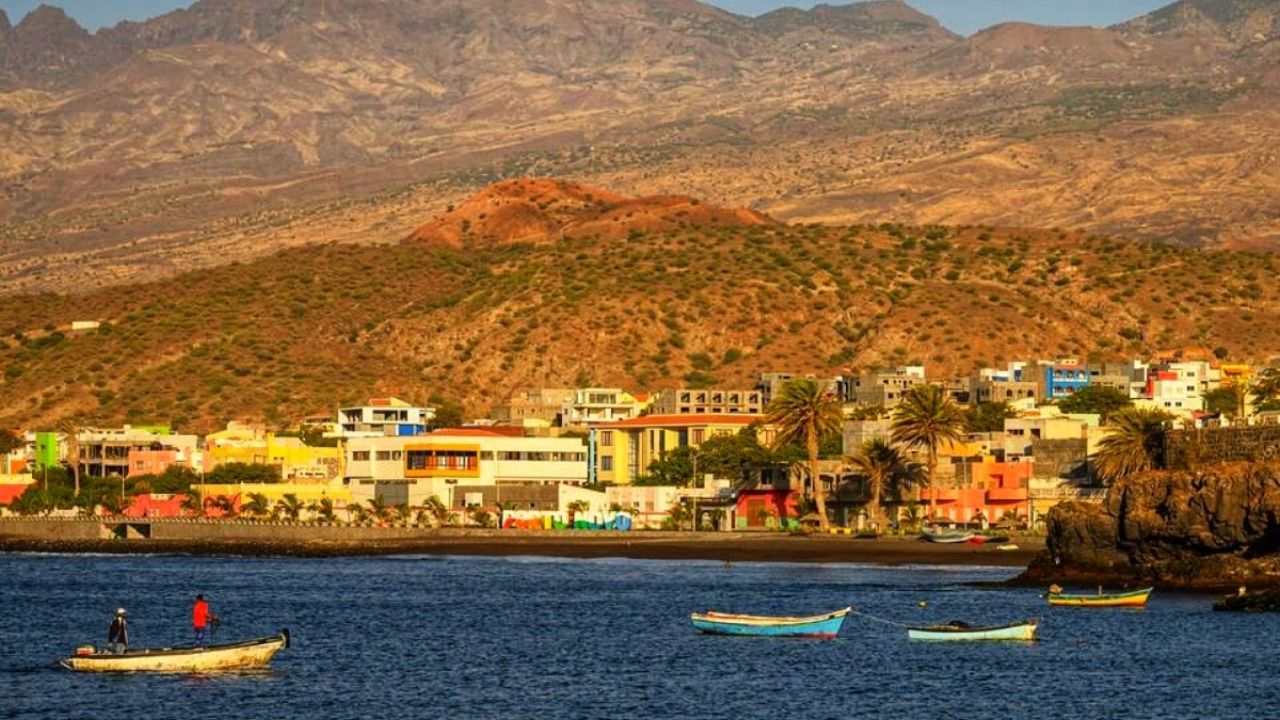
Climate change is reshaping weather systems across the world, and Cape Verde is no exception. Located in the Atlantic Ocean off the coast of West Africa, the archipelago has always experienced a dry, semi-arid climate shaped by trade winds and ocean currents. However, in recent decades, rising global temperatures and shifting atmospheric patterns have begun to alter Cape Verde’s traditional weather behavior in noticeable ways.
These changes are not only affecting the natural environment but also influencing daily life, agriculture, water security, tourism, and coastal communities across the islands.
Table of Contents
Rising Temperatures Across the Islands
One of the clearest signs of climate change in Cape Verde is the gradual increase in average temperatures. While the country has long been known for its warm but moderate climate, recent years have seen more frequent heat extremes, especially during late summer and early autumn.
Higher temperatures increase evaporation rates, drying out already limited freshwater resources. Hotter conditions also place added stress on crops, livestock, and vulnerable populations, particularly in rural areas where access to cooling and water infrastructure is limited. For travelers, warmer nights and stronger sun exposure are becoming more common, changing how visitors experience the islands.
Changing Rainfall Patterns and Increased Drought Risk
Rainfall in Cape Verde has always been scarce and irregular, but climate change is making it even more unpredictable. Instead of consistent seasonal showers, the islands are increasingly experiencing long dry spells punctuated by short, intense bursts of rain.
This shift creates two major problems. First, prolonged droughts reduce groundwater recharge and threaten agriculture, which already relies heavily on rainfall during a very short wet season. Second, sudden heavy downpours lead to runoff rather than absorption, causing erosion and flooding without significantly improving water storage.
These changing rainfall patterns make farming more uncertain and increase dependence on desalination and imported food supplies.
Stronger and Less Predictable Wind Patterns
Cape Verde’s climate is strongly influenced by Atlantic trade winds, which bring cooling breezes and support activities such as windsurfing and kitesurfing. Climate change, however, is affecting the strength and timing of these winds.
Some seasons now experience unusually strong or prolonged wind periods, while others see unexpected lulls. These variations can impact marine travel, fishing conditions, and renewable energy production, particularly wind power installations that rely on stable wind flows.
For travelers, stronger winds may affect beach comfort and sea conditions, especially during winter months.
Warmer Ocean Temperatures and Marine Impacts
Rising sea surface temperatures around Cape Verde are another growing concern. Warmer oceans contribute to changes in fish migration patterns, affecting local fisheries that support many coastal communities.
In addition, warmer water can reduce oxygen levels and stress coral ecosystems, which play an important role in protecting shorelines and supporting marine biodiversity. While Cape Verde does not have extensive coral reefs compared to other regions, its marine ecosystems are still sensitive to temperature shifts.
Warmer oceans also contribute to stronger storms and heavier rainfall events when weather systems do develop.
Sea Level Rise and Coastal Erosion
Climate change is causing global sea levels to rise, and Cape Verde’s low-lying coastal areas are increasingly at risk. Beaches, harbors, and seaside neighborhoods are facing gradual erosion as higher sea levels and stronger wave action wear away the coastline.
This erosion threatens tourism infrastructure, fishing facilities, and historic coastal settlements. Some islands are already seeing the loss of sandy beaches, which affects both local livelihoods and visitor appeal.
Long-term sea level rise also increases the risk of saltwater intrusion into freshwater aquifers, further straining drinking water supplies.
Greater Weather Uncertainty for Tourism and Travel
Cape Verde’s reputation as a year-round travel destination has traditionally been built on stable, predictable weather. Climate change is introducing more uncertainty into that equation.
Visitors may now encounter unexpected heatwaves, unusual rain events, or rougher seas outside traditional seasonal norms. While the islands remain a relatively safe and appealing destination, travelers increasingly need up-to-date weather information and flexible planning.
Tourism operators are also adapting by adjusting activity schedules and investing in climate-resilient infrastructure.
How Cape Verde Is Adapting to Climate Change
Despite its vulnerability, Cape Verde is actively working to adapt to changing climate conditions. Investments in renewable energy, particularly wind and solar power, are reducing reliance on imported fuels. Water management strategies, including expanded desalination and conservation programs, are helping address chronic water scarcity.
Coastal protection projects, reforestation efforts, and climate monitoring systems are also being developed to reduce long-term risks. Education and community-based initiatives play a key role in building resilience across the islands.
Looking Ahead
Climate change is reshaping Cape Verde’s weather patterns in complex and interconnected ways. Rising temperatures, shifting rainfall, changing winds, and sea level rise are no longer distant projections but visible realities. Understanding these changes is essential for residents, policymakers, and travelers alike.
While the challenges are significant, continued adaptation, responsible tourism, and global climate action can help ensure that Cape Verde remains resilient, livable, and welcoming for future generations.

Joao Fernandes is a climatologist and historian specializing in Cape Verde’s weather patterns and island history, with fifteen years at the national meteorological institute and university research. Based in Praia, Cape Verde, his professional background blends climate analysis, historical archival research, and public policy advising. His expertise covers seasonal wind and rainfall forecasts, climate resilience for coastal communities, and archival studies of colonial-era records. Joao co-authored the book “Climate and Culture of Cape Verde,” published peer-reviewed papers, and advised municipal planners on weather-informed heritage conservation.