

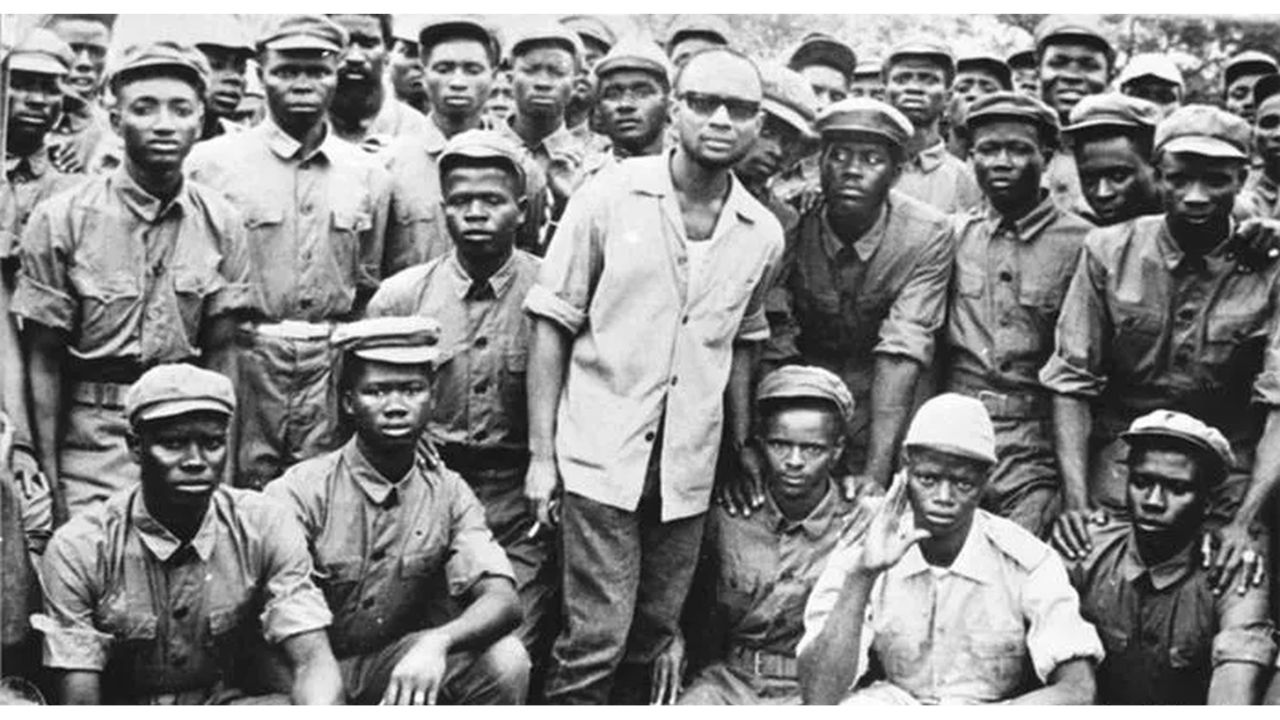
Cape Verde’s role during World War II is often overlooked, yet the archipelago occupied a quiet but strategically important position in the Atlantic during one of the most turbulent periods of the twentieth century. Located off the coast of West Africa, Cape Verde sat along vital maritime routes linking Europe, Africa, and the Americas. Although the islands never became a battlefield, global conflict shaped daily life, economic conditions, and the region’s long-term relationship with the outside world.
Political Status and Neutrality
During World War II, Cape Verde was a Portuguese colony, administered directly by Portugal. Portugal, under António de Oliveira Salazar’s Estado Novo regime, officially maintained neutrality throughout the war. This policy extended to its overseas territories, including Cape Verde.
Table of Contents
Neutrality did not mean isolation. Portugal’s position allowed it to maintain diplomatic and commercial ties with both Allied and Axis powers, while carefully avoiding direct military involvement. For Cape Verde, this meant that the islands were spared invasion and bombing, but they were still deeply affected by wartime disruptions and international tensions.
Strategic Importance in the Atlantic
Cape Verde’s geographic location gave it strategic significance well beyond its small population and limited resources. The islands lay near shipping lanes used by merchant vessels, military convoys, and submarines crossing the Atlantic Ocean. During the Battle of the Atlantic, control and monitoring of these routes became crucial.
Both Allied and Axis powers were aware of Cape Verde’s potential value as a refueling stop, communication point, or observation base. While Portugal did not allow foreign military bases on the islands during most of the war, increased surveillance and diplomatic pressure highlighted Cape Verde’s importance within global wartime calculations.
Economic Hardships and Supply Shortages
The most immediate impact of World War II on Cape Verde was economic hardship. Even before the war, the islands were vulnerable due to poor soils, irregular rainfall, and limited agricultural output. Wartime naval blockades and shipping disruptions worsened these conditions.
Imported goods such as food, fuel, and manufactured products became scarce and expensive. Maritime traffic slowed, and long delays affected trade links with mainland Portugal and other territories. These shortages contributed to hunger and malnutrition, especially among rural populations already living on the edge of subsistence.
Famine and Social Consequences
Several severe famines struck Cape Verde during the broader wartime period, particularly in the early 1940s. Drought combined with restricted imports proved devastating. Thousands of Cape Verdeans died from starvation and related diseases, marking one of the darkest chapters in the islands’ modern history.
Colonial authorities struggled to respond effectively. Relief efforts were limited, and the crisis exposed structural inequalities within the colonial system. For many Cape Verdeans, the wartime famines reinforced long-standing patterns of migration, as people sought survival and opportunity abroad, especially in the Americas and other Atlantic regions.
Maritime Activity and Wartime Risks
Although Cape Verde remained officially neutral, its surrounding waters were not immune to danger. German U-boats operated extensively in the Atlantic, targeting Allied shipping. Merchant vessels passing near the islands faced the constant risk of attack.
There were reports of shipwrecks, rescues, and sightings of naval activity near Cape Verdean waters. Local ports, particularly Mindelo on São Vicente, became important stopover points for ships needing repairs, supplies, or refuge, further entangling the islands in the realities of global war.
Life Under Colonial Administration
Daily life in Cape Verde during World War II was shaped by censorship, rationing, and strict colonial control. Information about the war reached the islands through radio broadcasts, newspapers, and sailors, though it was often filtered or delayed.
Despite hardship, Cape Verdean society demonstrated resilience. Mutual aid networks, family support systems, and community solidarity played a crucial role in helping people survive shortages and uncertainty. Music, storytelling, and oral tradition continued to provide cultural continuity during difficult years.
Legacy of the War Years
World War II did not bring direct combat to Cape Verde, but its effects were profound and long-lasting. The suffering caused by famine and neglect deepened political awareness and later contributed to calls for reform and independence in the postwar decades.
The war also reinforced Cape Verde’s connection to global history. Events thousands of miles away shaped everyday life on the islands, reminding residents that even remote territories were part of an interconnected world. Today, Cape Verde’s wartime experience stands as a reminder of how neutrality did not shield vulnerable populations from the wider consequences of global conflict.
Conclusion
Cape Verde during World War II was marked by strategic importance, economic hardship, and human resilience. While the islands avoided direct military confrontation, the war intensified existing challenges and left a lasting imprint on society and collective memory. Understanding this period provides valuable insight into Cape Verde’s colonial past and its path toward greater political and social awareness in the decades that followed.

Marta Silva is a travel writer and certified island guide with over twelve years leading small-group tours across Cape Verde. Based in Praia, Cape Verde, her professional background combines on-the-ground guiding, itinerary planning, and hospitality consulting. Her expertise includes island itineraries, public transport logistics, sustainable travel tips, and local culture immersion. Marta authored the practical guidebook “Discovering Santiago” and contributes island guides for regional tourism publications; she has partnered with Cape Verde’s tourism board on community-based tourism initiatives and regular travel-workshops for visiting journalists.