

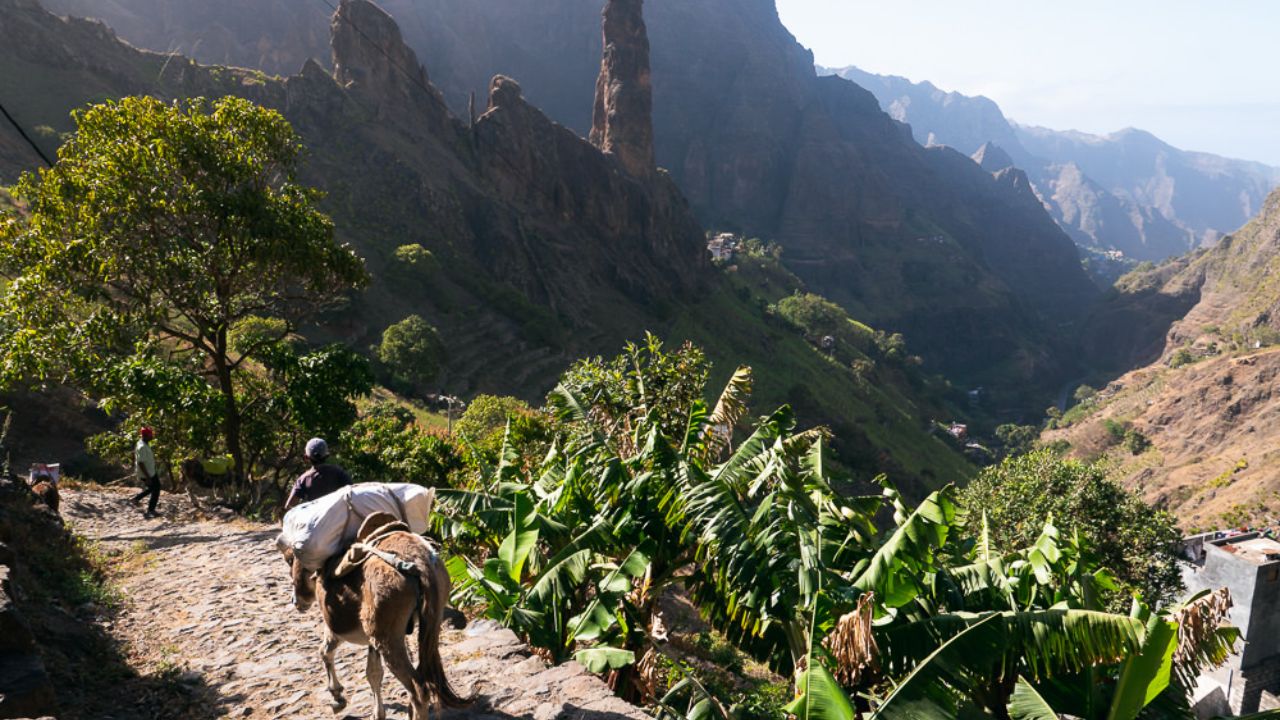
Santo Antão is widely considered the hiking capital of Cape Verde. With deep volcanic valleys, terraced fields, coastal cliffs, and remote mountain villages, the island offers some of the most rewarding walking routes in the Atlantic. Unlike resort-focused islands such as Sal or Boa Vista, Santo Antão attracts travelers looking for nature, slow travel, and cultural immersion. This guide explains the best hiking trails, villages you’ll pass through, and practical safety tips to help you plan confidently.
Why Santo Antão Is Ideal for Hiking
Santo Antão’s dramatic geography is the result of ancient volcanic activity and centuries of terraced farming. Steep mountain ridges drop into green valleys where sugarcane, bananas, and coffee still grow using traditional methods. Many villages are connected by old stone paths rather than modern roads, making hiking not just a recreational activity but a way of life. Trails are scenic, culturally rich, and often free from heavy tourist traffic.
Table of Contents
Popular Hiking Trails on Santo Antão
The most famous hike on the island runs between Cova Crater and Paul Valley. Starting at the volcanic crater high in the mountains, the trail descends through pine forests and agricultural terraces before reaching the lush Paul Valley. This route offers changing landscapes and is manageable for most hikers with moderate fitness.
Another well-known route is Ribeira Grande to Ponta do Sol, a coastal hike that follows cliffs above the Atlantic Ocean. The path passes small fishing villages, stone bridges, and dramatic sea views. While the elevation changes are less extreme than inland routes, the exposure and narrow paths require attention.
For experienced hikers, the Fontainhas to Cruzinha trail is a standout. Often described as one of the most scenic coastal walks in Cape Verde, it winds along steep cliffs above the ocean. The trail is safe when dry but can feel challenging due to narrow sections and strong winds.
Villages You’ll Encounter Along the Way
Hiking on Santo Antão is also a cultural experience. Villages like Fontainhas are known for colorful houses clinging to mountain slopes and are frequently photographed as symbols of the island. Paúl Valley villages offer a glimpse into agricultural life, with locals producing grogue, the traditional sugarcane spirit.
In Ribeira Grande, you’ll find a busier town atmosphere with shops, guesthouses, and cafés. Ponta do Sol, once the island’s main port, is a common starting or ending point for coastal hikes and has a relaxed seaside feel.
Passing through these villages, hikers are often greeted warmly. It’s common to see locals carrying goods on foot along the same trails, reminding visitors that these paths remain part of everyday life.
Best Time of Year for Hiking
The best months for hiking on Santo Antão are generally between November and April. During this period, temperatures are cooler, and the landscape is greener, especially after seasonal rains. Trade winds can be strong at higher elevations, but they also help keep conditions comfortable.
From August to October, occasional heavy rains can make trails slippery or damaged. While hiking is still possible, routes should be chosen carefully, and local advice is strongly recommended.
Safety Tips for Hiking Santo Antão
Although Santo Antão is considered safe, preparation is essential. Trails are often rocky and uneven, so sturdy hiking shoes with good grip are necessary. Many routes are poorly marked, and mobile signal can be unreliable, particularly in deep valleys.
Hiring a local guide is a smart choice for first-time visitors or those attempting longer routes. Guides not only improve safety but also provide cultural and historical context that enriches the experience.
Always carry enough water, sun protection, and light snacks. Even on cloudy days, sun exposure can be intense. Starting hikes early in the morning helps avoid heat and allows more time in case of delays.
Weather conditions can change quickly in the mountains. Check local forecasts and ask accommodations about trail conditions before setting out. If rain is expected, avoid steep coastal or cliffside paths.
Practical Hiking Tips
Most hikers base themselves in Ribeira Grande, Paul Valley, or Ponta do Sol, where guesthouses can arrange trail information, transport, or guides. Trailheads often require short taxi rides or shared transport, especially for high-altitude starting points like Cova Crater.
Respect local customs by greeting people you pass and asking permission before photographing individuals or private property. Staying on established paths helps protect fragile terraces and reduces the risk of accidents.
Final Thoughts
Hiking on Santo Antão is about more than scenery. It’s a way to understand the island’s geography, culture, and daily rhythms. With the right preparation and respect for local conditions, hikers are rewarded with unforgettable landscapes, meaningful encounters, and a deeper connection to Cape Verde’s most mountainous island.

Marta Silva is a travel writer and certified island guide with over twelve years leading small-group tours across Cape Verde. Based in Praia, Cape Verde, her professional background combines on-the-ground guiding, itinerary planning, and hospitality consulting. Her expertise includes island itineraries, public transport logistics, sustainable travel tips, and local culture immersion. Marta authored the practical guidebook “Discovering Santiago” and contributes island guides for regional tourism publications; she has partnered with Cape Verde’s tourism board on community-based tourism initiatives and regular travel-workshops for visiting journalists.