

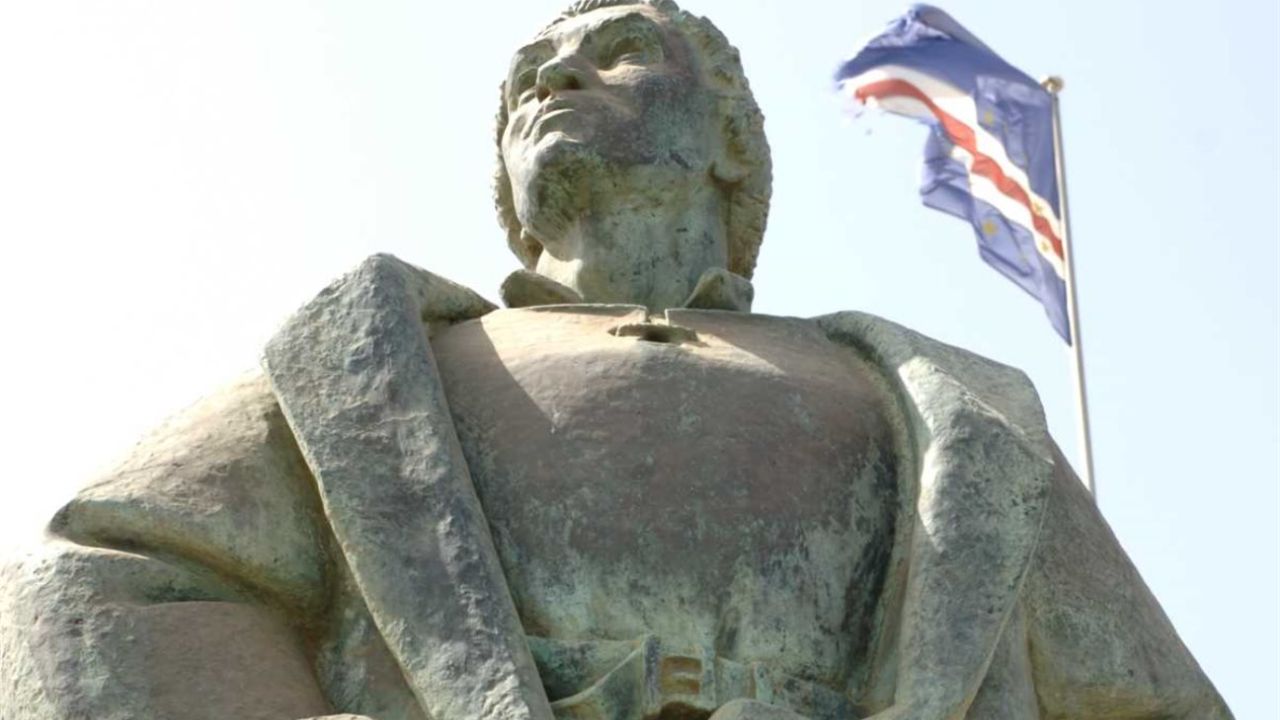
Cape Verdean Creole, known locally as Kriolu or Crioulo, is one of the most distinctive elements of Cape Verde’s cultural identity. Spoken by nearly all Cape Verdeans at home and across the diaspora, the language reflects centuries of migration, colonial rule, trade, and cultural blending. Its origins are deeply tied to the history of the islands and the Atlantic world.
Historical Background of Cape Verde
Cape Verde was uninhabited before the arrival of the Portuguese in the mid-15th century. Located off the West African coast, the islands quickly became an important hub in Atlantic trade routes connecting Europe, Africa, and the Americas. Portuguese settlers, enslaved Africans from multiple ethnic groups, and later mixed communities lived and worked together in close proximity. This unique social environment created the conditions for a new language to emerge.
Table of Contents
Contact Between Portuguese and African Languages
The foundation of Cape Verdean Creole lies in contact between Portuguese, the language of colonizers, and various West African languages spoken by enslaved populations. These African languages included Wolof, Mandinka, Fula, and others. Since people from different linguistic backgrounds needed a way to communicate for daily life, trade, and survival, simplified forms of Portuguese mixed with African grammatical patterns began to develop.
Over time, this contact language stabilized and became a fully developed creole, passed down from one generation to the next as a native language rather than a temporary communication tool.
Formation of a Creole Language
Unlike pidgins, which are limited and often short-lived, a creole language emerges when children grow up speaking the mixed language as their first language. In Cape Verde, this process happened early, likely by the late 15th or early 16th century. Linguists consider Cape Verdean Creole to be one of the oldest creole languages in the world.
Portuguese provided most of the vocabulary, while African languages strongly influenced pronunciation, sentence structure, verb usage, and rhythm. This combination created a language that is neither purely Portuguese nor African, but something entirely new.
Regional Variations Across the Islands
Cape Verdean Creole is not a single uniform language. Each island, and sometimes each town, developed its own variety. The two main groups are often described as Barlavento (Windward) and Sotavento (Leeward) Creoles.
Barlavento varieties, spoken on islands such as São Vicente, Santo Antão, and Sal, tend to sound more phonologically distinct from Portuguese. Sotavento varieties, common on Santiago and Fogo, preserve more features closer to early Portuguese forms. These differences developed due to settlement patterns, isolation between islands, and varying African influences.
Social Status During Colonial Rule
During Portuguese colonial rule, Creole was widely spoken but socially marginalized. Portuguese was considered the language of education, government, and power, while Creole was labeled informal or inferior. Despite this, Creole remained the true language of daily life, family, music, and oral tradition.
This diglossic situation continued for centuries, with most Cape Verdeans fluent in Creole but required to use Portuguese in formal settings. The resilience of Creole during this period highlights its deep cultural importance.
Role of Creole in Identity and Culture
Cape Verdean Creole became a key marker of shared identity across islands and social classes. It carried stories, proverbs, humor, and emotional expression in ways Portuguese could not fully capture. Music styles such as morna, coladeira, and funaná rely heavily on Creole lyrics, helping preserve and spread the language across generations and borders.
For the diaspora, Creole has served as a cultural bridge, maintaining connections to home even when living abroad.
Recognition After Independence
After Cape Verde gained independence in 1975, attitudes toward Creole slowly began to change. Scholars, writers, and educators started advocating for its recognition as a national language. While Portuguese remains the official language, Creole is increasingly valued as a symbol of national unity and heritage.
Efforts have been made to standardize spelling systems and introduce Creole in media, literature, and informal education, though debates about standardization and official status continue.
Why Cape Verdean Creole Matters Today
Today, Cape Verdean Creole represents more than communication. It is a living record of Atlantic history, resilience, and cultural blending. Its origins reveal how communities adapt under pressure and create something lasting from complex historical forces.
Understanding the roots of Cape Verdean Creole helps explain Cape Verde itself — a nation shaped by movement, exchange, and survival, expressed through a language born from both struggle and creativity.

Joao Fernandes is a climatologist and historian specializing in Cape Verde’s weather patterns and island history, with fifteen years at the national meteorological institute and university research. Based in Praia, Cape Verde, his professional background blends climate analysis, historical archival research, and public policy advising. His expertise covers seasonal wind and rainfall forecasts, climate resilience for coastal communities, and archival studies of colonial-era records. Joao co-authored the book “Climate and Culture of Cape Verde,” published peer-reviewed papers, and advised municipal planners on weather-informed heritage conservation.