

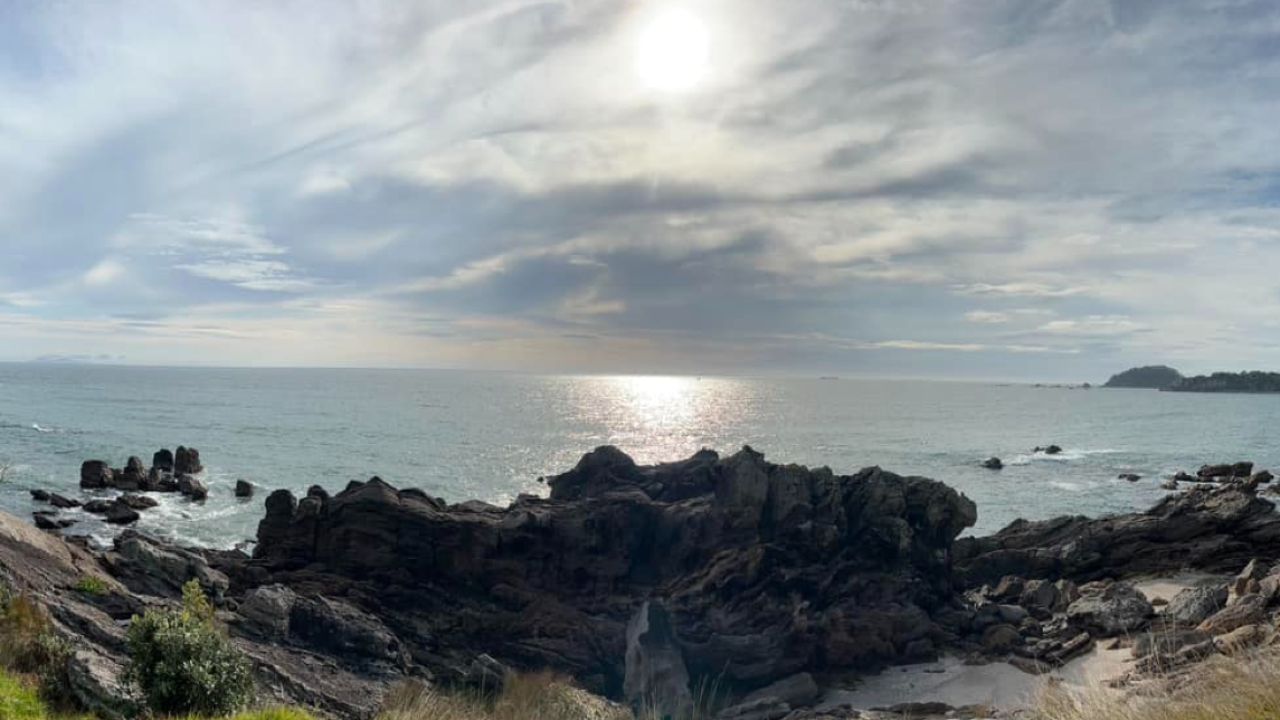
Cape Verde’s weather is shaped by the Atlantic Ocean, trade winds, and the islands’ position off the coast of West Africa. While the archipelago is often described as having a single “Cape Verde climate,” there are noticeable differences between the northern and southern islands. Understanding these differences helps travelers choose the right island, pack appropriately, and plan activities with realistic expectations.
Geographic Split and Climate Influence
Cape Verde is commonly divided into northern (Barlavento) and southern (Sotavento) island groups. The northern islands include places such as Sal, Boa Vista, and São Vicente. The southern group includes Santiago, Fogo, and Brava.
Table of Contents
Both regions enjoy warm temperatures year-round, but their exposure to wind, rainfall patterns, and topography creates meaningful differences in day-to-day conditions.
Weather in the Northern Islands
The northern islands are generally drier, windier, and more desert-like. Rainfall is low and inconsistent, even during the official rainy season. This makes the north feel more arid, with sandy landscapes, open plains, and fewer green areas.
Temperatures in the north typically range from the mid-20s to low-30s Celsius. What visitors notice most is the wind. Trade winds are stronger and more constant here, especially from November to March. As a result, the air often feels cooler and less humid than the thermometer suggests.
Because of these conditions, northern islands are especially popular for beach-focused travel. Consistent sunshine, low humidity, and minimal rain interruptions make them reliable destinations for winter sun holidays. The wind also makes the north ideal for activities like kitesurfing, windsurfing, and sailing.
Ocean conditions in the north can be choppier, particularly in winter. While this adds excitement for water sports, swimmers may find some beaches rougher compared to southern islands.
Weather in the Southern Islands
The southern islands experience slightly higher humidity and more rainfall than the north. While Cape Verde as a whole is not a rainy destination, the south sees more noticeable effects during the rainy season, usually between August and October.
Santiago and Brava tend to be greener, especially in elevated areas, where clouds and light rain are more common. Fogo’s volcanic terrain adds another layer of variation. Higher elevations around the volcano can be cooler and cloudier, while coastal areas remain warm and dry.
Temperatures in the south are similar to the north but often feel warmer due to increased humidity and less wind. Days can feel heavier, particularly during late summer, and evenings may be calmer with fewer breezes.
The ocean in the south is generally calmer, especially on sheltered beaches. This makes southern islands appealing for swimming, cultural exploration, hiking, and photography rather than wind-dependent sports.
Rainfall and Seasonal Differences
Rainfall is the most important distinction between north and south. In dry years, northern islands may see almost no rain at all, while southern islands still receive brief showers that support agriculture and vegetation.
During the rainy season, storms are usually short and localized rather than all-day events. However, travelers visiting the south during these months should be prepared for occasional disruptions, muddy hiking trails, and higher humidity. In contrast, the north remains largely unchanged even during this period.
Wind, Dust, and the Harmattan Effect
Another factor affecting both regions is the Harmattan wind, which carries dry air and dust from the Sahara. This phenomenon is more noticeable in the northern islands, where it can reduce visibility and create hazy skies during winter months.
In the south, the Harmattan effect is present but often less intense due to varied terrain and slightly higher moisture levels.
Which Region Is Better for Travelers?
There is no universally “better” region, only better choices based on travel style. Travelers seeking guaranteed sunshine, beach resorts, and water sports often prefer the northern islands. Those interested in culture, history, hiking, and greener landscapes tend to enjoy the southern islands more.
Understanding these weather differences allows visitors to match expectations with reality, making trips to Cape Verde more comfortable, enjoyable, and respectful of the islands’ natural rhythms.

Joao Fernandes is a climatologist and historian specializing in Cape Verde’s weather patterns and island history, with fifteen years at the national meteorological institute and university research. Based in Praia, Cape Verde, his professional background blends climate analysis, historical archival research, and public policy advising. His expertise covers seasonal wind and rainfall forecasts, climate resilience for coastal communities, and archival studies of colonial-era records. Joao co-authored the book “Climate and Culture of Cape Verde,” published peer-reviewed papers, and advised municipal planners on weather-informed heritage conservation.