

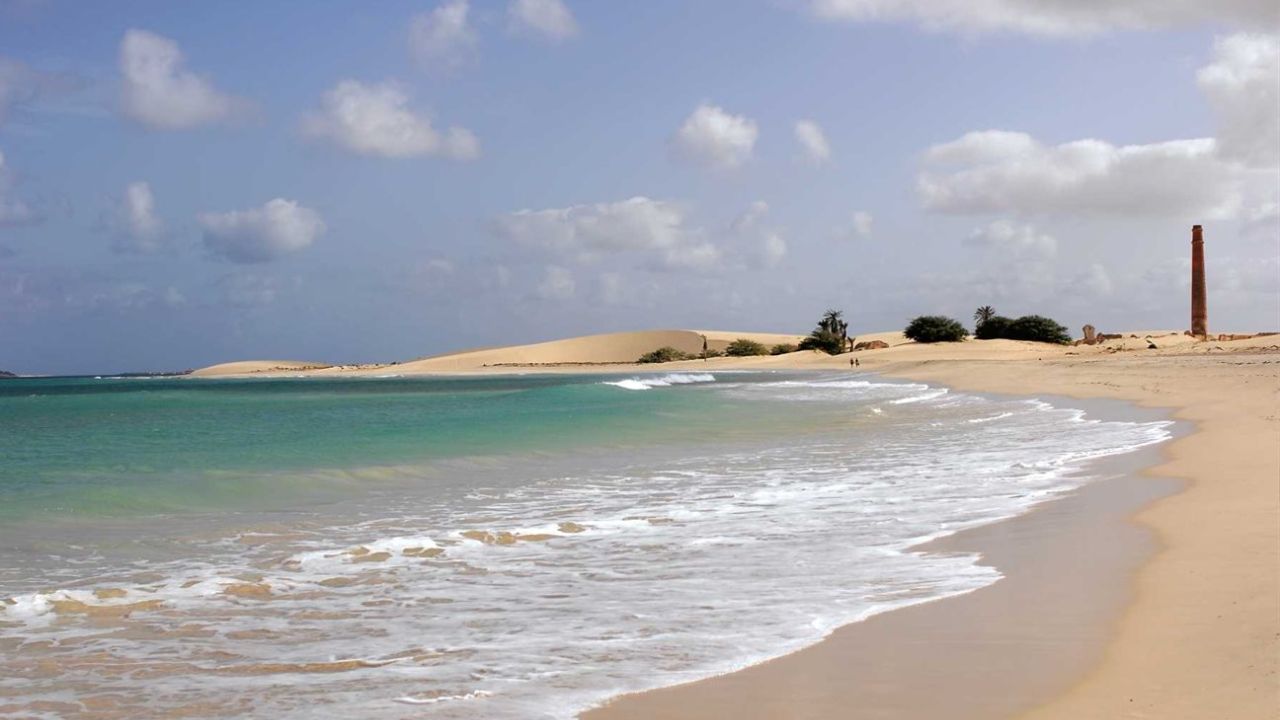
January to March is widely considered the peak travel season in Cape Verde, especially for visitors coming from colder regions like the United States and Europe. During these months, the islands offer warm temperatures, very little rainfall, and predictable weather conditions that are ideal for beach holidays, island hopping, and outdoor activities.
This period combines comfort, reliability, and festive energy, which is why it attracts the highest number of international travelers each year.
Table of Contents
Average Temperatures from January to March
Cape Verde enjoys mild and stable temperatures during the first three months of the year. Daytime temperatures typically range between 23°C and 26°C (73°F to 79°F), while nighttime temperatures stay comfortable, usually around 18°C to 20°C (64°F to 68°F).
The climate is warm without being oppressive. Travelers can explore towns, hike trails, or relax outdoors without dealing with extreme heat. Compared to summer months, humidity remains low, making the weather feel pleasant throughout the day.
Rainfall and Sunshine Levels
One of the biggest reasons January to March is so popular is the near absence of rain. Cape Verde’s rainy season ends by October, and the winter months are dry across all islands.
Rainfall during this period is minimal to nonexistent, and sunshine is abundant. Most days are bright and clear, with long daylight hours that make it easy to plan full-day excursions. This consistency is especially appealing for travelers who want weather certainty when booking flights and resorts.
Trade Winds and Ocean Conditions
During January, February, and March, Cape Verde experiences steady Atlantic trade winds. These winds help regulate temperatures and prevent the islands from feeling hot or humid.
For beachgoers, the wind usually feels refreshing rather than disruptive. On islands like Sal and Boa Vista, the breezes create ideal conditions for wind-based water sports such as kiteboarding and windsurfing. Swimmers and casual beach visitors will still find sheltered beaches where the wind is lighter.
Ocean temperatures during this period average around 22°C to 24°C (72°F to 75°F). While the water may feel cool at first, it is comfortable for swimming, snorkeling, and boat excursions, especially during sunny afternoons.
Differences Between Islands in Winter
Although the overall climate is similar across the archipelago, there are slight variations between islands.
Sal and Boa Vista are flatter and more exposed, so they experience stronger winds and cooler evenings. These islands are especially popular in winter because their beach-focused infrastructure is well suited to dry, breezy conditions.
Santiago and Santo Antão are more mountainous, which means slightly warmer inland temperatures and more variation between coastal and interior areas. These islands are excellent for hiking, cultural exploration, and photography during this season.
Fogo, with its volcanic landscape, can be cooler at higher elevations, especially in the evenings, making layered clothing useful for visitors planning to explore the volcano region.
Why January to March Is Peak Travel Season
Several factors combine to make these months the busiest time of year in Cape Verde. The weather is consistently dry and comfortable, airlines operate more frequent international routes, and many travelers plan winter escapes from colder climates.
Accommodation demand is highest during this period, particularly on resort-heavy islands. Prices for flights and hotels tend to be higher than during shoulder or off-peak seasons, but many visitors consider the reliable weather worth the cost.
The festive atmosphere also adds to the appeal. Local events, music, and cultural gatherings are common, especially around February and early March, creating a lively yet relaxed travel experience.
What to Pack for January to March Travel
Packing for Cape Verde during this season is straightforward. Light clothing such as t-shirts, breathable shirts, and casual dresses work well during the day. Evenings can be cooler, so a light jacket or sweater is useful, particularly on windier islands.
Comfortable walking shoes are recommended for exploring towns, markets, and natural areas. If you plan to swim or snorkel, bringing a light rash guard or wetsuit top can help with cooler ocean temperatures, especially for longer water activities.
Sun protection remains essential. Despite the mild temperatures, UV levels are strong, so sunscreen, sunglasses, and hats are important throughout the season.
Is This the Best Time to Visit Cape Verde?
For most travelers, January to March offers the best balance of weather, comfort, and activity options. The lack of rain, moderate temperatures, and reliable conditions make planning easy and reduce the risk of weather-related disruptions.
However, travelers looking for fewer crowds or lower prices may prefer shoulder months later in the year. Still, for first-time visitors or those prioritizing beach weather and outdoor exploration, the early-year months remain the most dependable choice.
January to March showcases Cape Verde at its most predictable and traveler-friendly, which explains why it continues to be the archipelago’s peak travel season year after year.

Marta Silva is a travel writer and certified island guide with over twelve years leading small-group tours across Cape Verde. Based in Praia, Cape Verde, her professional background combines on-the-ground guiding, itinerary planning, and hospitality consulting. Her expertise includes island itineraries, public transport logistics, sustainable travel tips, and local culture immersion. Marta authored the practical guidebook “Discovering Santiago” and contributes island guides for regional tourism publications; she has partnered with Cape Verde’s tourism board on community-based tourism initiatives and regular travel-workshops for visiting journalists.