

Religion has played a central role in shaping the social, cultural, and historical development of Cape Verde. From the moment the islands were settled in the 15th century, religious institutions influenced governance, family life, education, and cultural expression. While Cape Verde today is known for its relative secularism and tolerance, religion remains deeply woven into everyday traditions and collective identity.
The Arrival of Christianity During Colonization
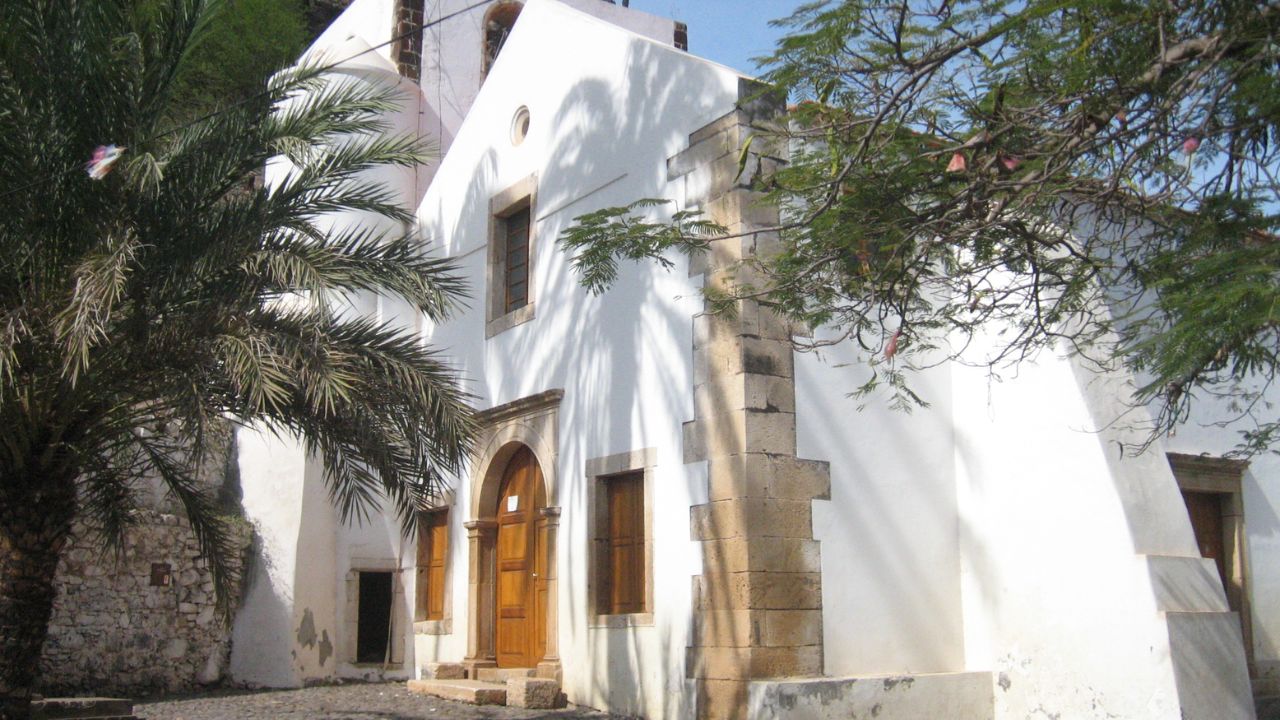
Religion arrived in Cape Verde alongside Portuguese colonization in the mid-1400s. As uninhabited islands, Cape Verde became a strategic Atlantic outpost for Portugal, and Christianity—specifically Roman Catholicism—was introduced as part of imperial expansion. Churches were among the first permanent structures built, particularly in Cidade Velha on Santiago Island, which became both an administrative and religious center.
Table of Contents
Catholicism was not only a spiritual system but also a tool of governance. The Church helped organize communities, register births and marriages, and reinforce colonial authority. Over time, Catholic rituals became embedded in daily life, marking important milestones from baptism to burial.
Religion and the Atlantic Slave Trade
Cape Verde’s role in the Atlantic slave trade significantly shaped its religious landscape. Enslaved Africans brought diverse spiritual beliefs from West Africa, including ancestor veneration and ritual practices. Although forced conversion to Christianity was common, African belief systems were never fully erased.
Instead, a process of cultural blending occurred. Catholic saints were sometimes associated with African spiritual figures, and religious festivals incorporated African music, rhythms, and communal practices. This fusion helped form a distinct Cape Verdean religious identity—outwardly Catholic, yet deeply influenced by African traditions.
Catholicism as a Social Anchor
For centuries, the Catholic Church functioned as a central social institution. In the absence of strong colonial investment in public services, churches often filled gaps by supporting education, charity, and community organization. Parish life created social cohesion in isolated island communities, especially during periods of drought, famine, and mass emigration.
Religious calendars structured the year. Feast days, processions, and patron saint celebrations became community-wide events, reinforcing shared values and collective resilience. Even today, many villages continue to organize social life around church festivities.
Religion, Family, and Moral Values
Religion strongly influenced family structures and moral norms in Cape Verdean society. Catholic teachings shaped views on marriage, gender roles, and respect for elders. Extended family networks often revolved around shared religious practices, including weekly Mass and religious holidays.
At the same time, Cape Verde developed a pragmatic approach to faith. While religious ideals were respected, everyday realities—such as migration, economic hardship, and single-parent households—led to flexible interpretations of doctrine. This balance between belief and lived experience remains a defining feature of Cape Verdean society.
The Rise of Religious Diversity
Although Catholicism remains dominant, Cape Verde has seen increasing religious diversity since the 20th century. Protestant denominations, particularly evangelical churches, expanded through missionary activity and return migration from the United States and Europe.
These newer churches often emphasize personal faith, community support, and social discipline. In some urban neighborhoods and rural areas, they provide alternative spaces for youth engagement and moral guidance. Despite differences, religious coexistence in Cape Verde is largely peaceful, reflecting a broader culture of tolerance.
Religion in the Diaspora
Religion has also played a vital role among Cape Verdean diaspora communities, especially in the United States. Churches became gathering points for immigrants seeking familiarity, language, and mutual support. Religious institutions helped preserve cultural identity while easing integration into new societies.
Diaspora churches often blend religious services with cultural events, music, and social aid, reinforcing ties between faith and national identity. This transnational religious connection continues to influence practices back home.
Religion in Modern Cape Verde
Today, Cape Verde is considered one of Africa’s more secular societies, particularly among younger generations. While church attendance has declined in some areas, religious values still influence social norms, public holidays, and community traditions.
Religion now functions more as a cultural foundation than a strict authority. Festivals, moral frameworks, and shared symbols continue to reflect centuries of religious influence, even as society becomes more modern and globally connected.
Conclusion
Religion shaped Cape Verdean society by providing structure during colonization, resilience during hardship, and unity across generations and borders. From Catholic roots to African spiritual influences and modern diversity, faith has helped form Cape Verde’s unique social fabric. Even as beliefs evolve, religion’s historical imprint remains visible in culture, values, and community life across the islands.

Joao Fernandes is a climatologist and historian specializing in Cape Verde’s weather patterns and island history, with fifteen years at the national meteorological institute and university research. Based in Praia, Cape Verde, his professional background blends climate analysis, historical archival research, and public policy advising. His expertise covers seasonal wind and rainfall forecasts, climate resilience for coastal communities, and archival studies of colonial-era records. Joao co-authored the book “Climate and Culture of Cape Verde,” published peer-reviewed papers, and advised municipal planners on weather-informed heritage conservation.