

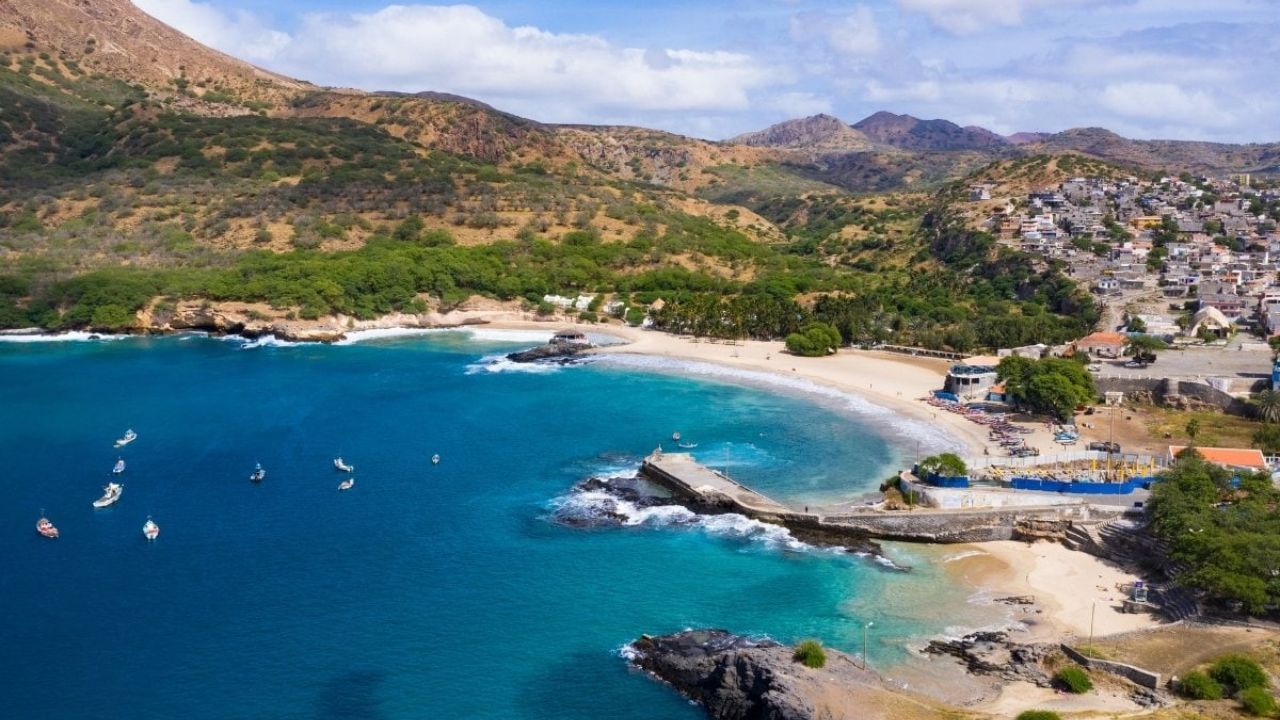
January is one of the most popular months to visit Cape Verde, especially for travelers escaping winter in Europe and North America. With dry conditions, mild temperatures, and plenty of sunshine, January offers reliable weather for beach holidays, sightseeing, and outdoor activities across the islands. Understanding what the climate is like during this month can help tourists plan better and set realistic expectations.
Overall Climate in Cape Verde During January
January falls in Cape Verde’s dry season, which runs roughly from November to June. Rainfall during this time is very low, and humidity levels are comfortable compared to tropical destinations closer to the equator. The islands experience a semi-arid climate influenced by the Atlantic Ocean and trade winds, keeping temperatures moderate rather than extreme.
Table of Contents
Daytime conditions are generally sunny and pleasant, making January suitable for both relaxed resort stays and active exploration. Evenings and early mornings can feel cooler, particularly on islands with higher elevations.
Average Temperatures Tourists Can Expect
In January, daytime temperatures across most islands typically range between 23°C and 26°C (73°F to 79°F). Coastal areas remain comfortably warm without intense heat, while inland or mountainous regions can feel slightly cooler.
Nighttime temperatures usually drop to around 18°C to 20°C (64°F to 68°F). This cooler air is noticeable after sunset, especially in breezy areas or towns away from the coast. Light layers such as a jacket or long-sleeve top are often enough to stay comfortable in the evenings.
Wind Conditions and Trade Winds in January
January is part of Cape Verde’s windier period due to steady northeast trade winds. These winds are generally moderate and consistent rather than disruptive. For most tourists, they provide a refreshing breeze that prevents the weather from feeling stuffy or overly warm.
The wind is especially noticeable on islands like Sal and Boa Vista, which are flatter and more exposed. While this can create cooler-feeling temperatures at times, it also makes January an excellent month for wind-related activities such as kitesurfing and windsurfing.
Rainfall and Sunshine Levels
Rain is very rare in January. Most islands receive little to no rainfall during the entire month, and cloudy days are uncommon. Tourists can expect long hours of sunshine, clear skies, and excellent visibility.
This predictable dry weather is one of the main reasons January is considered a peak travel month. Outdoor plans rarely need to be adjusted due to weather, and beach days are almost guaranteed.
Ocean Temperature and Swimming Conditions
Sea temperatures in January average around 23°C (73°F). While slightly cooler than late summer, the ocean remains comfortable for swimming, snorkeling, and water sports. Many visitors find the water refreshing rather than cold.
Wave conditions vary by island and coastline. Sheltered beaches tend to be calm, while exposed areas may experience stronger swells, which surfers often enjoy during this time of year.
Differences Between Islands in January
Although the overall climate is similar across the archipelago, small differences exist. Islands such as Sal and Boa Vista tend to feel drier and windier, making them ideal for beach-focused holidays. Santiago and Santo Antão may feel slightly cooler in higher-altitude areas, especially in the evenings.
Mountainous islands can experience more noticeable temperature changes between day and night, so packing layers is more important if you plan to explore inland regions.
What to Pack for a January Trip
Packing for Cape Verde in January is straightforward. Lightweight clothing is ideal for daytime, including t-shirts, shorts, dresses, and swimwear. Sun protection is essential, as UV levels remain high despite the mild temperatures.
For evenings, a light jacket, sweater, or scarf is recommended, especially if you plan to dine outdoors or visit higher elevations. Comfortable walking shoes are useful for exploring towns, trails, and uneven streets.
Is January a Good Time to Visit Cape Verde?
January is widely considered one of the best months to visit Cape Verde. The combination of dry weather, mild temperatures, and consistent sunshine creates ideal conditions for tourism. While it is a busier and slightly more expensive period due to high demand, many travelers find the reliable climate worth it.
For tourists seeking winter sun, outdoor activities, and stress-free weather planning, January offers one of the most dependable travel experiences in Cape Verde.

Joao Fernandes is a climatologist and historian specializing in Cape Verde’s weather patterns and island history, with fifteen years at the national meteorological institute and university research. Based in Praia, Cape Verde, his professional background blends climate analysis, historical archival research, and public policy advising. His expertise covers seasonal wind and rainfall forecasts, climate resilience for coastal communities, and archival studies of colonial-era records. Joao co-authored the book “Climate and Culture of Cape Verde,” published peer-reviewed papers, and advised municipal planners on weather-informed heritage conservation.