

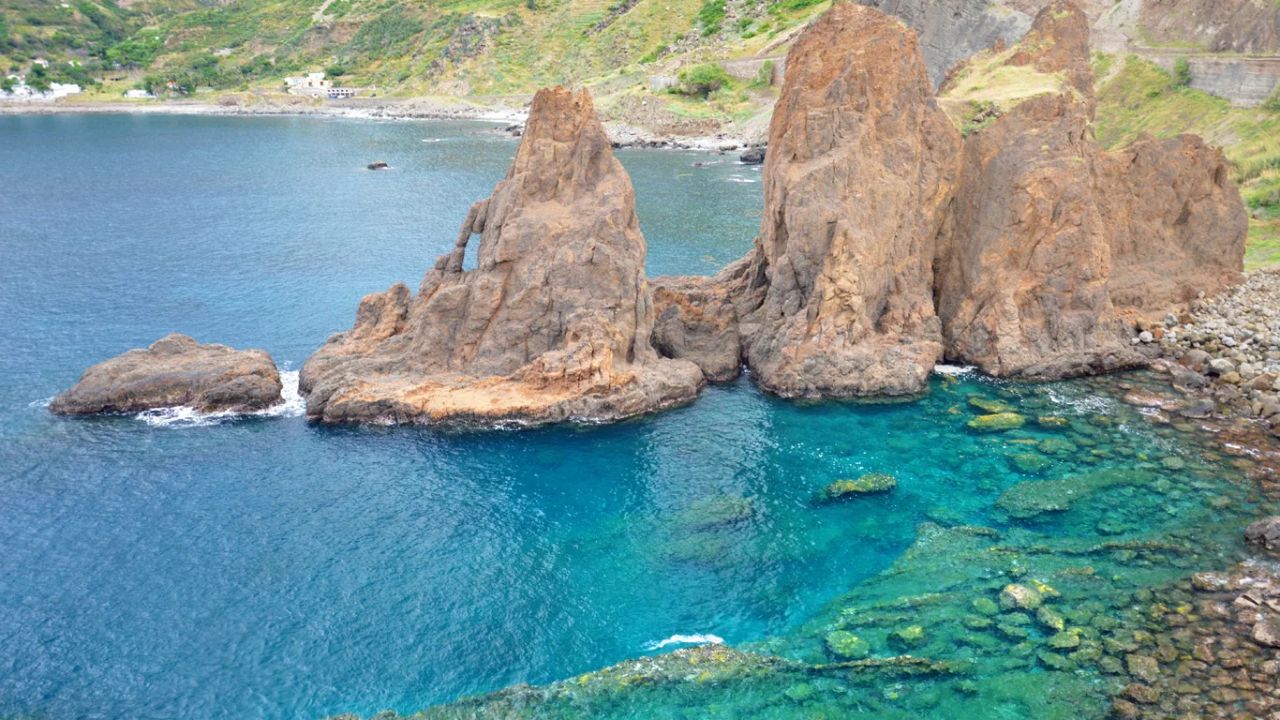
Brava Island is often described as the quiet soul of Cape Verde. While most visitors head to Sal or Boa Vista for beach resorts, Brava attracts a very different kind of traveler—those seeking calm landscapes, authentic island life, and a slower pace that feels untouched by mass tourism. Known as the “Island of Flowers,” Brava offers dramatic cliffs, misty hills, and close-knit communities that give visitors a deep sense of connection to the land and its people.
Where Brava Island Is Located
Brava is the smallest inhabited island in the Cape Verde archipelago and lies southwest of Fogo Island. It has no airport, which naturally limits visitor numbers and helps preserve its peaceful atmosphere. Travelers reach Brava by ferry from Fogo, usually departing from the port town of Furna. The lack of air access is one of the main reasons Brava remains so quiet compared to other islands.
Table of Contents
Why Brava Is Considered the Most Peaceful Island
Brava’s reputation as the most peaceful island comes from its rhythm of life. There are no large resorts, no crowded beaches, and no nightlife scene aimed at tourists. Instead, you’ll find small villages, family-run guesthouses, and locals who still greet each other by name. Traffic is minimal, noise is rare, and evenings often end early, with the sound of wind and ocean replacing music and crowds.
Landscape and Natural Beauty
Unlike the dry, sandy landscapes of Sal or Boa Vista, Brava is lush and green. The island’s higher elevation allows it to capture moisture from passing clouds, creating fertile hillsides filled with flowers, fruit trees, and terraced farms. Steep cliffs drop dramatically into the Atlantic, offering breathtaking viewpoints. Walking trails connect villages through valleys and along ridges, making Brava especially appealing to hikers and nature lovers.
Villages and Daily Life on Brava
Nova Sintra is the island’s main town and cultural heart. Set in the hills, it features colorful houses, narrow streets, and a relaxed atmosphere. Life here revolves around local markets, small cafés, churches, and community gatherings. Other villages such as Fajã d’Água, Furna, and Nossa Senhora do Monte offer even quieter settings, where fishing, farming, and family life remain central.
Things to Do on Brava Island
Brava is not about ticking off attractions; it’s about experience and presence. Hiking is the main activity, with scenic paths offering views of the sea, cliffs, and farmland. Swimming is possible in natural pools and sheltered coves, especially around Fajã d’Água. Cultural exploration—talking with locals, attending church services, or simply observing daily routines—is often the most memorable part of a visit.
Food and Local Flavors
Food on Brava is simple, fresh, and deeply rooted in Cape Verdean tradition. Expect dishes based on fish, beans, corn, and local vegetables. Cachupa, the national stew, is commonly served, often prepared differently in each household. Meals are usually home-cooked, and dining often feels like being welcomed into someone’s personal space rather than visiting a restaurant.
Best Time to Visit Brava Island
Brava can be visited year-round, but the most pleasant period is generally from November to June, when temperatures are mild and rainfall is limited. Because Brava is greener than many other islands, it remains attractive even outside peak travel seasons. Weather conditions also influence ferry schedules, so flexibility is important when planning a visit.
Who Should Visit Brava Island
Brava is ideal for travelers who value peace, authenticity, and nature over entertainment and luxury. It suits solo travelers, couples, writers, photographers, hikers, and members of the Cape Verdean diaspora seeking reconnection with traditional island life. Families with young children or travelers looking for resorts, nightlife, or extensive amenities may find Brava too quiet.
Final Thoughts on Brava Island
Brava Island is not designed to impress quickly. Its beauty reveals itself slowly, through silence, scenery, and human connection. For those willing to step away from busy itineraries and modern distractions, Brava offers something increasingly rare in global travel: genuine calm. It stands as a reminder that Cape Verde is not just a beach destination, but a collection of islands with distinct identities—each worth understanding on its own terms.

Marta Silva is a travel writer and certified island guide with over twelve years leading small-group tours across Cape Verde. Based in Praia, Cape Verde, her professional background combines on-the-ground guiding, itinerary planning, and hospitality consulting. Her expertise includes island itineraries, public transport logistics, sustainable travel tips, and local culture immersion. Marta authored the practical guidebook “Discovering Santiago” and contributes island guides for regional tourism publications; she has partnered with Cape Verde’s tourism board on community-based tourism initiatives and regular travel-workshops for visiting journalists.