

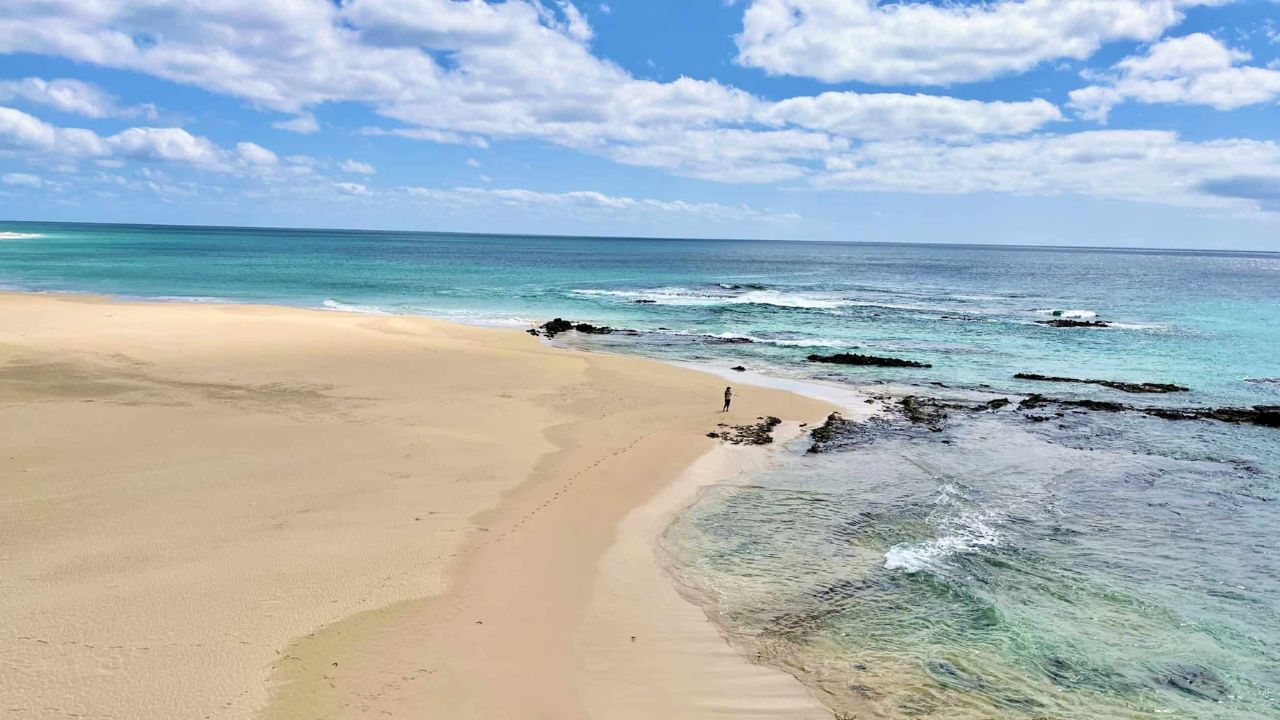
Maio is one of Cape Verde’s least visited islands, and that is exactly its biggest strength. While islands like Sal and Boa Vista attract large numbers of resort tourists, Maio remains quiet, spacious, and deeply local. For travelers who value empty beaches, unhurried days, and an authentic connection with place, Maio offers a very different Cape Verde experience.
Located east of Santiago, Maio is flat, dry, and calm. Life here moves slowly, shaped by fishing routines, agriculture, and strong community ties. This guide explains what makes Maio special, who it is best for, and what to realistically expect when visiting.
Table of Contents
Where Is Maio Island and Why Is It So Quiet?
Maio sits just 25 kilometers from Santiago, yet it feels worlds apart. The island has no large resorts, no nightlife scene, and very limited tourist infrastructure. This has kept mass tourism away and preserved the island’s natural and social rhythms.
Most visitors to Cape Verde never consider Maio because it lacks aggressive marketing and direct international flights. Access is mainly via short domestic flights or ferries from Praia. As a result, tourism remains low-key, seasonal, and mostly independent.
Beaches on Maio: Space, Silence, and Nature
Maio’s beaches are long, wide, and almost empty year-round. Unlike resort islands where beaches are lined with hotels, Maio’s coastline feels untouched. You can walk for kilometers without seeing more than a few fishermen or grazing goats.
Praia de Bitchirotcha, Praia de Ponta Preta, and Praia do Morro are among the most popular beaches, yet even these remain quiet. The sand is soft, the water is clear, and the atmosphere is peaceful rather than commercial.
Swimming is generally safe, but conditions can vary depending on wind and season. There are few lifeguards and no beach services, so visitors should be comfortable with self-guided beach time.
Slow Travel and Daily Life on Maio
Maio is ideal for slow travel. Days revolve around simple routines: morning walks, long lunches, reading by the sea, and conversations with locals. Shops close early, evenings are quiet, and schedules are flexible.
The island’s main town, Vila do Maio (also called Porto Inglês), is small and walkable. Here you will find basic restaurants, cafés, local markets, and administrative buildings. Life feels intimate, and visitors are quickly noticed and greeted.
This is not an island for ticking off attractions. Maio rewards travelers who stay longer, observe more, and adapt to local rhythms.
Things to Do Beyond the Beach
Although beaches dominate the experience, Maio offers a few low-key activities for curious travelers. Turtle nesting is an important part of the island’s natural heritage, and guided observation programs operate during nesting season under strict conservation rules.
Hiking and cycling are possible thanks to the island’s flat terrain and open landscapes. You can explore salt flats, small farming villages, and coastal paths without crowds or traffic.
Cultural experiences are subtle rather than staged. Music, festivals, and gatherings are mostly local affairs, offering genuine insight rather than tourist performances.
Accommodation and Food on Maio
Accommodation on Maio is simple and limited. Expect small guesthouses, family-run hotels, and short-term rentals rather than resorts. Comfort is modest, but hospitality is warm and personal.
Food is fresh, local, and straightforward. Fish and seafood dominate menus, often served with rice, beans, and vegetables. Dining options are few, so variety is limited, but quality is good when expectations are realistic.
Advance planning is recommended, especially during festivals or turtle season, as choices are limited.
Getting to and Around Maio
Most travelers reach Maio by domestic flight from Praia, with flight schedules varying by season. Ferries also operate but can be irregular and weather-dependent.
Once on the island, transport options are limited. Walking works well within Vila do Maio, while taxis or local drivers are used for longer distances. Renting a car is possible but not essential for most visitors.
Flexibility is important. Delays and changes are part of island life.
Who Should Visit Maio Island?
Maio is best suited for travelers seeking peace, space, and authenticity. It appeals to solo travelers, couples, writers, remote workers, and anyone recovering from fast-paced travel.
It is not ideal for nightlife seekers, luxury travelers, or those who want organized tours and constant activities. Maio asks visitors to slow down, adjust expectations, and engage quietly with their surroundings.
Final Thoughts on Maio Island
Maio is not trying to compete with Cape Verde’s more famous islands, and that is its greatest asset. It offers something increasingly rare: silence, simplicity, and room to breathe.
For travelers who value empty beaches, slow travel, and a genuine sense of place, Maio delivers an experience that feels personal, calm, and deeply human.

Marta Silva is a travel writer and certified island guide with over twelve years leading small-group tours across Cape Verde. Based in Praia, Cape Verde, her professional background combines on-the-ground guiding, itinerary planning, and hospitality consulting. Her expertise includes island itineraries, public transport logistics, sustainable travel tips, and local culture immersion. Marta authored the practical guidebook “Discovering Santiago” and contributes island guides for regional tourism publications; she has partnered with Cape Verde’s tourism board on community-based tourism initiatives and regular travel-workshops for visiting journalists.