

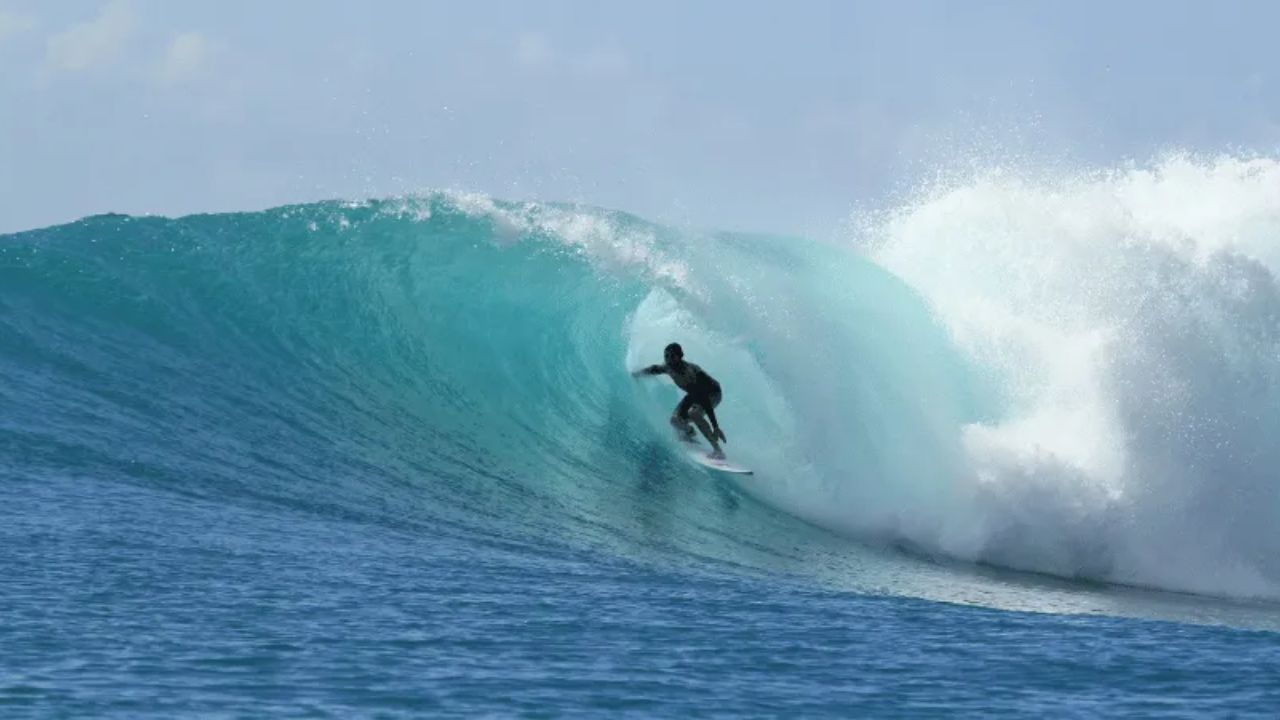
Cape Verde’s ocean conditions are shaped by Atlantic currents, trade winds, and seasonal weather patterns. While the islands are known for clear water and dramatic coastlines, the sea is not the same throughout the year. Some months are ideal for calm swimming, while others are better suited for surfing and other wind-driven water sports. Understanding these differences helps travelers choose the right time to visit based on how they want to use the ocean.
How Cape Verde’s Ocean Conditions Work
Cape Verde sits in the eastern Atlantic, west of mainland Africa. The sea is influenced by the Canary Current, consistent trade winds, and long Atlantic swells. Unlike tropical destinations with flat, lagoon-style waters year-round, Cape Verde experiences noticeable seasonal changes in wave size, wind strength, and surface conditions.
Table of Contents
Water temperatures remain relatively stable, but wave energy and wind intensity vary significantly, which is why swimming and surfing seasons do not always overlap.
Best Months for Swimming in Cape Verde
Swimming is most enjoyable when winds are lighter and wave activity is reduced. These conditions typically occur during late summer and early autumn.
August to October: Calmest Sea Conditions
August, September, and October are generally the best months for swimming. During this period, trade winds weaken, and Atlantic swells are smaller. Beaches on islands like Sal, Boa Vista, and Maio often have calmer water, especially in sheltered bays.
Sea temperatures are also at their warmest, usually ranging between 24°C and 26°C. This makes long swims, snorkeling, and relaxed beach days more comfortable, even without a wetsuit.
November: Transitional but Still Swimmable
November marks the transition toward windier months, but swimming is still possible, particularly in protected areas. Conditions can change quickly, so beach choice becomes more important. Sheltered beaches are preferable during this month.
Months When Swimming Is More Challenging
From December through March, swimming can be more difficult due to stronger winds and increased wave activity.
Trade winds intensify during winter, creating choppy water and stronger currents. Even experienced swimmers may find open beaches rough during this period. Swimming is still possible in coves or hotel beaches designed with wave protection, but casual swimmers should be cautious.
Best Months for Surfing in Cape Verde
Cape Verde is considered one of the best surf destinations in the Atlantic, especially during winter.
November to March: Peak Surf Season
The prime surfing months run from November through March. During this time, powerful Atlantic swells reach the islands, producing consistent waves. Offshore trade winds help shape clean, surfable conditions, particularly on exposed coastlines.
Islands like Sal and São Vicente are especially popular with surfers due to reef breaks and reliable swell exposure. Wave size during these months can range from beginner-friendly to very advanced, depending on conditions.
February: Strong Swells and Experienced Surfers
February often delivers the strongest and most consistent swells. While this is ideal for experienced surfers, it is not recommended for casual swimmers. Strong currents and large waves are common on open beaches.
Shoulder Months for Mixed Activities
Some months allow travelers to enjoy both swimming and light surfing, depending on daily conditions.
April and May
Spring brings a gradual reduction in swell size and wind strength. Surfing is still possible, especially early in April, while swimming conditions slowly improve. These months suit travelers who want flexibility rather than perfect conditions for one activity.
June and July
Early summer sees calmer seas than winter but stronger winds than late summer. Swimming is possible on sheltered beaches, while wind-driven sports like kitesurfing become popular. Surfing is more limited but not impossible.
Differences Between Islands
Sea conditions can vary noticeably between islands. Sal and Boa Vista have many exposed beaches that feel the full force of Atlantic swells, making seasonal timing more important. Santiago and Maio offer a mix of exposed and sheltered coastlines, giving swimmers more options during windier months.
Choosing the right beach on the right island can make a significant difference, especially outside peak swimming season.
Safety Considerations
Regardless of the season, ocean safety is important. Rip currents can occur year-round, especially on surf-facing beaches. Travelers should avoid swimming alone, pay attention to local advice, and choose beaches appropriate for their skill level.
During peak surf months, swimmers should avoid beaches known for reef breaks or heavy wave action.
Choosing the Right Time for Your Trip
For calm swimming, snorkeling, and relaxed beach days, late summer and early autumn are the best choice. For surfing and wave-focused travel, winter months offer world-class conditions. Travelers who want a balance should look at spring or early summer and plan activities based on daily forecasts.
Understanding Cape Verde’s sea conditions helps ensure your trip matches your expectations, whether that means floating in clear, calm water or riding powerful Atlantic waves.

Joao Fernandes is a climatologist and historian specializing in Cape Verde’s weather patterns and island history, with fifteen years at the national meteorological institute and university research. Based in Praia, Cape Verde, his professional background blends climate analysis, historical archival research, and public policy advising. His expertise covers seasonal wind and rainfall forecasts, climate resilience for coastal communities, and archival studies of colonial-era records. Joao co-authored the book “Climate and Culture of Cape Verde,” published peer-reviewed papers, and advised municipal planners on weather-informed heritage conservation.