

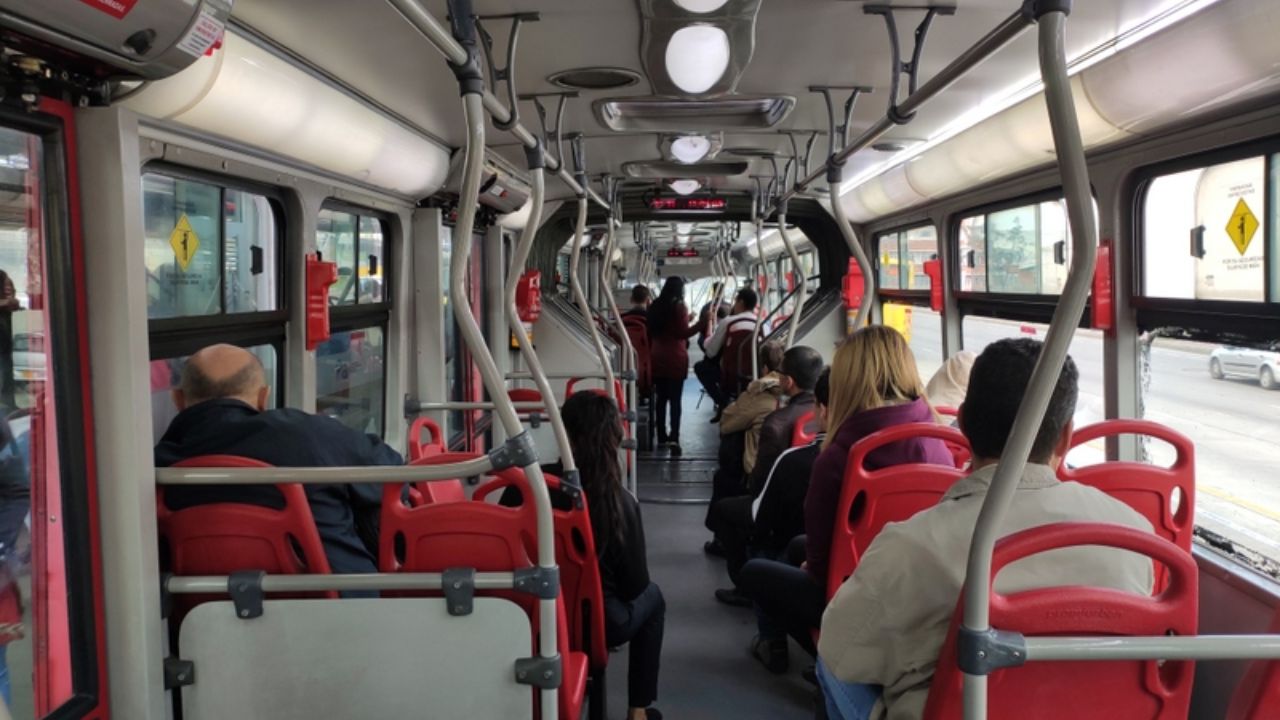
Traveling between and within the islands of Cape Verde can be rewarding, but many visitors underestimate how local transport actually works. From informal shared taxis to limited ferry schedules, misunderstandings can lead to wasted time, extra costs, or unnecessary stress. Knowing the most common transport mistakes helps tourists move confidently and respectfully across the islands.
Assuming Public Transport Works Like Europe or the U.S.
One of the biggest mistakes tourists make is expecting Cape Verde’s transport system to operate on strict schedules. Buses, shared taxis, and even ferries often run on flexible timing. Vehicles usually depart when full rather than at a fixed hour.
Table of Contents
Travelers who plan tightly packed itineraries often get frustrated when transport does not arrive exactly on time. In Cape Verde, patience is part of the journey. Leaving buffer time between activities and connections avoids unnecessary stress.
Not Understanding How Aluguers Work
Aluguers are the backbone of local transport on many islands. These are shared minibuses or pickup trucks that run set routes but do not follow posted timetables. Many tourists either avoid them out of uncertainty or misuse them by expecting private taxi treatment.
A common mistake is assuming an aluguer will leave immediately after boarding. In reality, it usually waits until all seats are filled. Another error is not confirming the destination clearly before boarding, especially on routes with multiple stops.
Overpaying for Taxis by Not Asking First
Taxis are widely available in cities like Praia, Mindelo, and Santa Maria, but many do not use meters. Tourists often get into a taxi without agreeing on a price beforehand, leading to confusion or higher-than-expected fares.
Local travelers almost always confirm the cost before starting the ride. Visitors should do the same, even for short distances. Asking hotel staff or locals about typical prices helps avoid overpaying and keeps interactions smooth.
Ignoring Inter-Island Transport Limitations
Another frequent mistake is assuming daily, reliable transport exists between all islands. Ferry services can be limited, weather-dependent, and occasionally canceled with short notice. Domestic flights are more reliable but still subject to delays.
Tourists sometimes plan island-hopping itineraries without accounting for these realities. Booking inter-island travel early, checking schedules close to departure, and avoiding same-day international connections reduces the risk of disruptions.
Renting a Car Without Understanding Local Conditions
Car rentals are popular on islands like Sal and Boa Vista, but many tourists underestimate road conditions elsewhere. In rural areas, roads may be unpaved, steep, or poorly lit at night.
Some visitors rent cars without checking insurance coverage, fuel availability, or navigation limitations. Driving after dark, especially outside cities, is another common mistake. Understanding local road conditions before renting helps prevent accidents and unexpected problems.
Not Accounting for Wind and Weather
Cape Verde’s trade winds, particularly during certain months, affect transport more than many travelers expect. Ferry crossings can become rough or be canceled, and small boats may stop operating entirely.
Tourists who ignore weather forecasts sometimes miss connections or experience uncomfortable journeys. Checking wind conditions and sea state before travel days is especially important for ferries and small inter-island boats.
Expecting English to Be Widely Spoken in Transport Settings
While English is common in tourist resorts, many drivers and transport operators primarily speak Portuguese or Cape Verdean Creole. Travelers often assume English will be enough for explaining destinations or asking questions.
This can lead to misunderstandings about routes, stops, or prices. Learning a few basic transport-related phrases or writing down destinations helps bridge the language gap and shows respect for local culture.
Carrying Large Luggage on Shared Transport
Shared transport in Cape Verde is designed for locals, not oversized suitcases. Tourists often try to bring large luggage onto aluguers or crowded minibuses, creating discomfort for themselves and others.
In some cases, drivers may charge extra or refuse large bags altogether. Planning luggage size carefully or arranging private transport when carrying bulky items avoids awkward situations.
Not Asking Locals for Advice
Many transport mistakes happen simply because travelers do not ask for help. Locals are usually willing to explain which transport option is best, where to wait, and what price is fair.
Relying only on online maps or assumptions can be misleading, especially in smaller towns. A quick conversation can save time, money, and confusion.
Treating Transport as a Problem Instead of Part of the Experience
Finally, many tourists view local transport as an obstacle rather than part of Cape Verde’s daily life. Delays, shared rides, and informal systems are normal and reflect how communities function across the islands.
Travelers who remain flexible and observant often find that local transport becomes an authentic cultural experience rather than a frustration.
Understanding these common mistakes helps visitors move more confidently through Cape Verde, respect local norms, and enjoy smoother journeys across the islands.

Marta Silva is a travel writer and certified island guide with over twelve years leading small-group tours across Cape Verde. Based in Praia, Cape Verde, her professional background combines on-the-ground guiding, itinerary planning, and hospitality consulting. Her expertise includes island itineraries, public transport logistics, sustainable travel tips, and local culture immersion. Marta authored the practical guidebook “Discovering Santiago” and contributes island guides for regional tourism publications; she has partnered with Cape Verde’s tourism board on community-based tourism initiatives and regular travel-workshops for visiting journalists.