

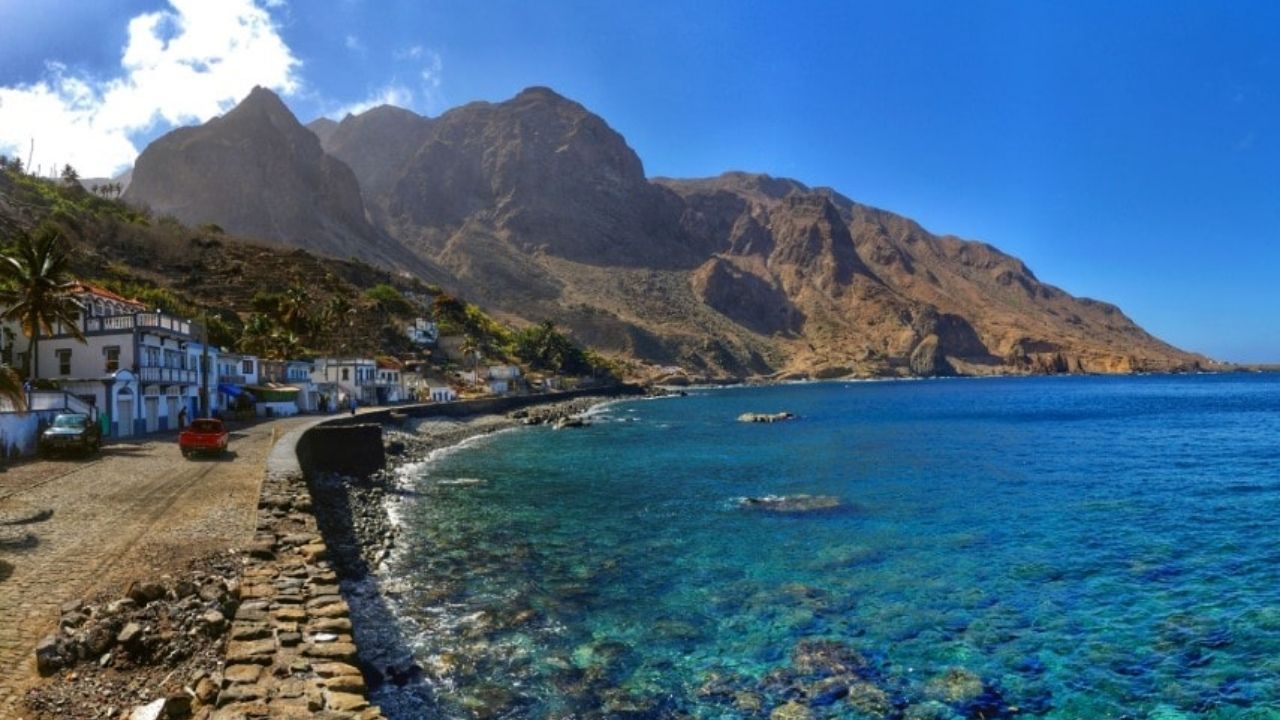
Cape Verde offers a unique mix of volcanic landscapes, Atlantic coastlines, colorful towns, and strong cultural identity, making it an excellent destination for photography. However, the quality of light, weather conditions, wind, and visibility change noticeably throughout the year. Choosing the right months can make a significant difference in landscape shots, street photography, portraits, and drone work. Understanding seasonal patterns helps photographers capture the islands at their best.
January to March: Clear Skies and Dramatic Light
January through March is widely considered one of the best periods for photography in Cape Verde. The dry season is at its peak, skies are clear, and humidity is low. Visibility is excellent, which is ideal for wide landscape shots, seascapes, and aerial photography.
Table of Contents
The sun sits slightly lower in the sky during these months, creating softer shadows and more depth in images, especially during early mornings and late afternoons. Volcanic terrain on islands like Fogo and Santo Antão shows strong texture under this light. Ocean colors also appear deeper and more defined, particularly around Sal and Boa Vista.
Wind can be strong at times, but for photographers, this often enhances scenes by adding movement to waves, flags, and clothing in street shots.
April to June: Balanced Conditions and Rich Colors
April, May, and June offer some of the most balanced conditions for photography. The weather remains dry, but winds begin to ease slightly compared to winter months. This makes it easier to work with tripods, long exposures, and drone equipment.
Vegetation is still present in rural areas, especially on mountainous islands, adding subtle green tones to landscapes. These months are excellent for hiking photography, village life, and portraits, as locals spend more time outdoors.
The quality of light remains strong but slightly warmer, which benefits architectural photography in cities like Mindelo and Praia. Beaches are less crowded than peak winter travel season, allowing for cleaner compositions.
July to September: Cultural Photography and Rare Green Landscapes
July, August, and early September mark Cape Verde’s short rainy season. Rainfall is limited and irregular, but when it happens, it transforms parts of the islands. Hillsides become greener, dust clears from the air, and rural scenes feel more alive.
This period is ideal for photographers interested in cultural events, festivals, and everyday local life. Lighting can be dramatic, with cloud formations adding depth and contrast to images. Storm clouds over the ocean often create striking backdrops for sunset photography.
Humidity is higher, and skies may be hazier on some days, which can soften distant landscapes. However, for storytelling photography, portraits, and environmental scenes, this season offers rare and authentic visual moments.
October: Transitional Light and Fewer Crowds
October is a transition month and an underrated time for photography in Cape Verde. Rainfall tapers off, skies begin to clear, and the landscape may still retain some greenery, especially in higher elevations.
Tourism remains relatively low, making it easier to photograph towns, markets, and beaches without heavy crowds. Light conditions vary, but golden hour can be especially rewarding, with warm tones and layered skies.
For photographers seeking variety without extreme weather, October offers flexibility and quieter shooting environments.
November to December: Clean Atmosphere and Festive Scenes
November and December signal the return of the dry season. The air becomes clearer, and trade winds return, improving visibility across the islands. This is an excellent time for coastal photography, wave action, and long-exposure shots.
December also brings festive decorations, cultural gatherings, and end-of-year celebrations, especially in urban centers. These months work well for travel photographers looking to combine landscapes with human stories.
Light during this period is crisp and contrast-rich, making it suitable for high-detail photography, especially in black-and-white compositions.
Best Overall Months for Different Photography Styles
For landscape and nature photography, January to March and April to May provide the most consistent results. For street, cultural, and portrait photography, July through October offers richer storytelling opportunities. For drone and coastal photography, November through February delivers the clearest conditions.
Each season in Cape Verde offers something distinct. The best month ultimately depends on whether the goal is dramatic landscapes, cultural depth, or clean, minimal compositions.
Final Thoughts
Cape Verde is a year-round photography destination, but timing plays a crucial role in shaping the final images. Photographers who align their travel with seasonal light, weather, and cultural rhythms are rewarded with more compelling and meaningful photographs. By planning around the months that match your creative focus, you can capture the islands in a way that reflects both their natural beauty and lived reality.

Marta Silva is a travel writer and certified island guide with over twelve years leading small-group tours across Cape Verde. Based in Praia, Cape Verde, her professional background combines on-the-ground guiding, itinerary planning, and hospitality consulting. Her expertise includes island itineraries, public transport logistics, sustainable travel tips, and local culture immersion. Marta authored the practical guidebook “Discovering Santiago” and contributes island guides for regional tourism publications; she has partnered with Cape Verde’s tourism board on community-based tourism initiatives and regular travel-workshops for visiting journalists.