

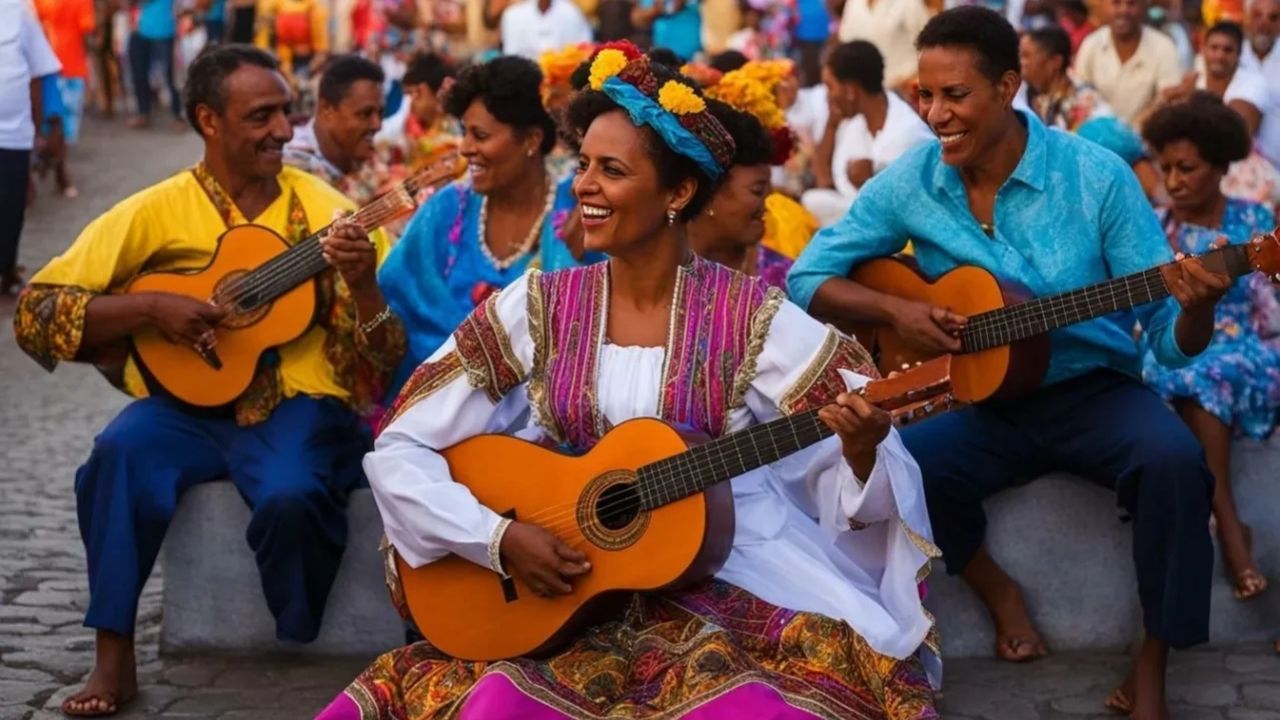
Cape Verde’s identity has always been shaped by movement, distance, and connection across oceans. Scattered islands, centuries of migration, and a vast diaspora could have diluted a shared sense of culture. Instead, music became the strongest thread holding Cape Verdean identity together. Through melody, rhythm, and language, music preserved memory, history, and belonging long before books, museums, or digital archives could do the same.
Music as a Cultural Anchor in an Island Nation
Cape Verde has no indigenous population. Its culture emerged from the meeting of West African traditions and Portuguese colonial influence. This blending did not produce a single uniform identity overnight. Instead, it evolved through daily life, oral tradition, and, most importantly, music.
Table of Contents
Songs carried stories of separation, survival, love, drought, and migration. In island communities where literacy was limited and written records were scarce, music became a living archive. Lyrics passed down family histories, local events, and shared emotions, ensuring that cultural knowledge survived even as people moved between islands or left the country entirely.
Morna and the Language of Saudade
No genre represents Cape Verdean identity more clearly than morna. Slow, melodic, and emotionally rich, morna expresses saudade—a deep sense of longing, nostalgia, and quiet resilience. Sung primarily in Cape Verdean Creole, morna validated a language that colonial systems often pushed aside in favor of Portuguese.
Through morna, everyday emotions became cultural statements. Songs spoke of sailors leaving, families waiting, and islands remembered from afar. When morna traveled with migrants to Europe and the Americas, it carried identity with it. Even generations born abroad could feel connected to the islands through these songs.
The global recognition of Cesária Évora brought morna to international audiences, but within Cape Verde, the genre had already done its most important work: preserving emotional and linguistic continuity.
Dance, Resistance, and Community Expression
While morna reflected introspection, other musical styles carried energy, resistance, and social unity. Funaná, once suppressed during colonial rule, used fast rhythms and accordion-driven melodies to express rural life and defiance. Batuque, rooted in African traditions, relied on percussion, call-and-response singing, and communal performance.
These styles were not just entertainment. They were acts of cultural survival. Performing batuque or funaná reaffirmed African heritage at times when such expressions were discouraged. Music allowed communities to protect traditions without needing formal permission or recognition.
Creole Language as Identity Through Song
Cape Verdean Creole exists in many island variations, and music helped preserve them all. Songs normalized Creole as a language of art, storytelling, and emotional depth. While official systems favored Portuguese, music ensured that Creole remained central to daily life and identity.
Lyrics adapted to each island’s dialect, reinforcing local pride while still contributing to a shared national culture. This balance between unity and diversity is one reason Cape Verdean identity remains strong despite geographic separation.
Music in the Diaspora
Migration is a defining feature of Cape Verdean history. Communities formed in the United States, Portugal, France, and beyond. In these new environments, music became a cultural bridge between generations.
Live performances, home recordings, and later radio and digital media allowed Cape Verdeans abroad to stay connected. Music helped children of the diaspora learn language patterns, emotional values, and cultural history even if they had never visited the islands. Weddings, festivals, and family gatherings often revolved around traditional songs, reinforcing identity through shared sound.
Modern Evolution Without Cultural Loss
Cape Verdean music continues to evolve, blending traditional styles with jazz, hip-hop, electronic music, and global pop influences. Rather than erasing identity, this evolution reflects it. Artists reinterpret traditional rhythms for modern audiences while maintaining core themes of migration, belonging, and memory.
This adaptability is part of why Cape Verdean music remains relevant. Identity is not frozen in the past; it grows while staying rooted.
Why Music Remains Central to Cape Verdean Identity
Music preserved Cape Verdean identity because it was accessible, emotional, portable, and communal. It crossed oceans more easily than objects or institutions. It survived political shifts, economic hardship, and migration waves.
Today, whether heard on a quiet island evening or in a diaspora community thousands of miles away, Cape Verdean music continues to do what it has always done: remind people who they are, where they come from, and how deeply connected they remain to the islands.

Marta Silva is a travel writer and certified island guide with over twelve years leading small-group tours across Cape Verde. Based in Praia, Cape Verde, her professional background combines on-the-ground guiding, itinerary planning, and hospitality consulting. Her expertise includes island itineraries, public transport logistics, sustainable travel tips, and local culture immersion. Marta authored the practical guidebook “Discovering Santiago” and contributes island guides for regional tourism publications; she has partnered with Cape Verde’s tourism board on community-based tourism initiatives and regular travel-workshops for visiting journalists.