

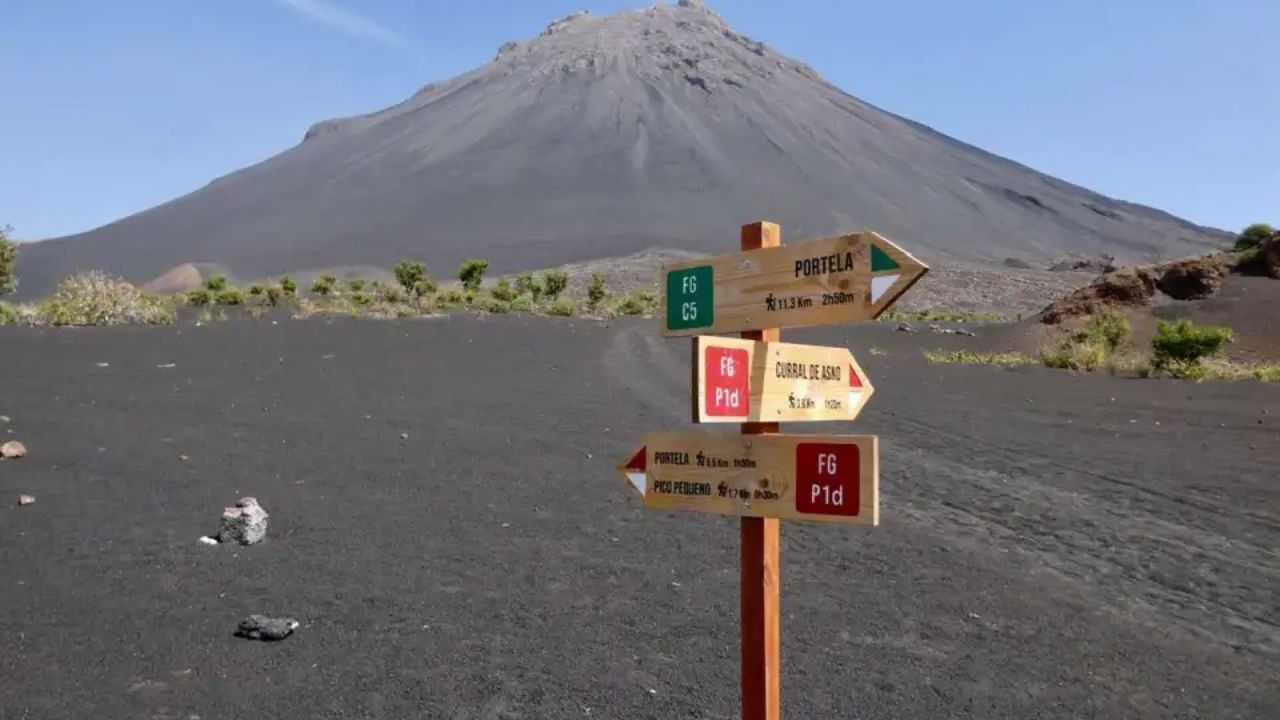
Fogo Island is home to Pico do Fogo, one of the most dramatic and active volcanoes in the Atlantic region. Rising sharply above the island, the volcano defines Fogo’s landscape, culture, and daily life. For travelers, the big question is simple: is it safe to visit Fogo Island’s volcano? The short answer is yes, but only with proper awareness, planning, and respect for local conditions.
This guide explains the real risks, safety measures, and what visitors should realistically expect when exploring the volcano.
Table of Contents
Understanding Fogo Island and Pico do Fogo
Fogo Island is dominated by Pico do Fogo, a stratovolcano that reaches around 2,829 meters, making it the highest point in Cape Verde. The volcano sits inside a vast caldera, with the small settlement of Chã das Caldeiras located on the crater floor.
Volcanic activity here is not ancient history. Eruptions occurred as recently as 2014–2015, reshaping parts of the caldera and destroying homes and farmland. Despite this, life has returned, and tourism continues under controlled conditions.
Is the Volcano Currently Active?
Pico do Fogo is classified as an active volcano, but that does not mean it is constantly erupting. Activity is monitored by Cape Verdean authorities and international volcanic observation networks. When seismic activity increases or risk levels rise, access restrictions are enforced.
At normal times, visiting the caldera and hiking the volcano is allowed. If conditions change, closures can happen quickly. This monitoring system is the main reason tourism remains possible while maintaining safety.
Is It Safe for Tourists to Visit?
For most visitors, Fogo Island is safe, including the volcanic areas, as long as official guidance is followed. The main risks are not sudden eruptions but rather altitude, terrain, weather, and physical exertion.
Safety depends on:
- Respecting restricted zones
- Using local guides for volcano hikes
- Avoiding solo climbs
- Checking conditions before visiting
Tourists who ignore advice or hike without preparation increase their risk significantly.
Hiking Pico do Fogo: What You Should Know
Climbing Pico do Fogo is physically demanding. The ascent involves loose volcanic ash, steep slopes, and thin air near the summit. The descent can be just as challenging due to unstable ground.
Local guides are strongly recommended and often required. They know safe routes, changing terrain, and how to respond if conditions shift. Guided hikes usually start early in the morning to avoid heat and cloud buildup.
Good physical fitness, proper footwear, water, and sun protection are essential.
Living Inside the Caldera: Chã das Caldeiras
Chã das Caldeiras is one of the most unique communities in Cape Verde. Residents farm volcanic soil, grow grapes, and produce wine despite the risk of future eruptions. Visitors are welcome, but this is a living community, not an open-air museum.
Staying overnight in the caldera is possible in guesthouses, and it is generally safe when there are no alerts. However, visitors should always be aware that evacuation plans exist for a reason.
Weather and Environmental Risks
Weather plays a major role in safety on Fogo Island. Sudden cloud cover can reduce visibility, and strong sun at high altitude increases dehydration risk. Winds can also intensify near the summit.
Unlike beach-focused islands such as Sal or Boa Vista, Fogo’s environment is rugged and less forgiving. This makes preparation far more important.
Emergency Services and Evacuation Planning
Cape Verde has established emergency protocols for volcanic activity. While Fogo Island does not have large-scale medical facilities, local authorities coordinate evacuations when needed. Roads in and out of the caldera are limited, which is why early warnings are critical.
Tourists are not left unsupported, but response times are slower than in major urban destinations. Travel insurance that covers hiking and evacuation is strongly advised.
Who Should Avoid Visiting the Volcano?
Not everyone should attempt the volcano hike. Travelers with heart conditions, respiratory issues, mobility limitations, or little hiking experience should consider viewing the volcano from safer vantage points instead.
You can still experience Fogo’s culture, towns, coastal areas, and wine production without climbing Pico do Fogo itself.
Final Verdict: Is It Safe to Visit Fogo Island Volcano?
Yes, Fogo Island’s volcano is safe to visit for informed and prepared travelers. The risks are real but manageable, and safety systems are in place. The key is respecting nature, following local guidance, and understanding that this is an active volcanic environment, not a theme park.
For those who approach it responsibly, visiting Pico do Fogo is one of the most powerful and unforgettable experiences in Cape Verde.

Marta Silva is a travel writer and certified island guide with over twelve years leading small-group tours across Cape Verde. Based in Praia, Cape Verde, her professional background combines on-the-ground guiding, itinerary planning, and hospitality consulting. Her expertise includes island itineraries, public transport logistics, sustainable travel tips, and local culture immersion. Marta authored the practical guidebook “Discovering Santiago” and contributes island guides for regional tourism publications; she has partnered with Cape Verde’s tourism board on community-based tourism initiatives and regular travel-workshops for visiting journalists.