

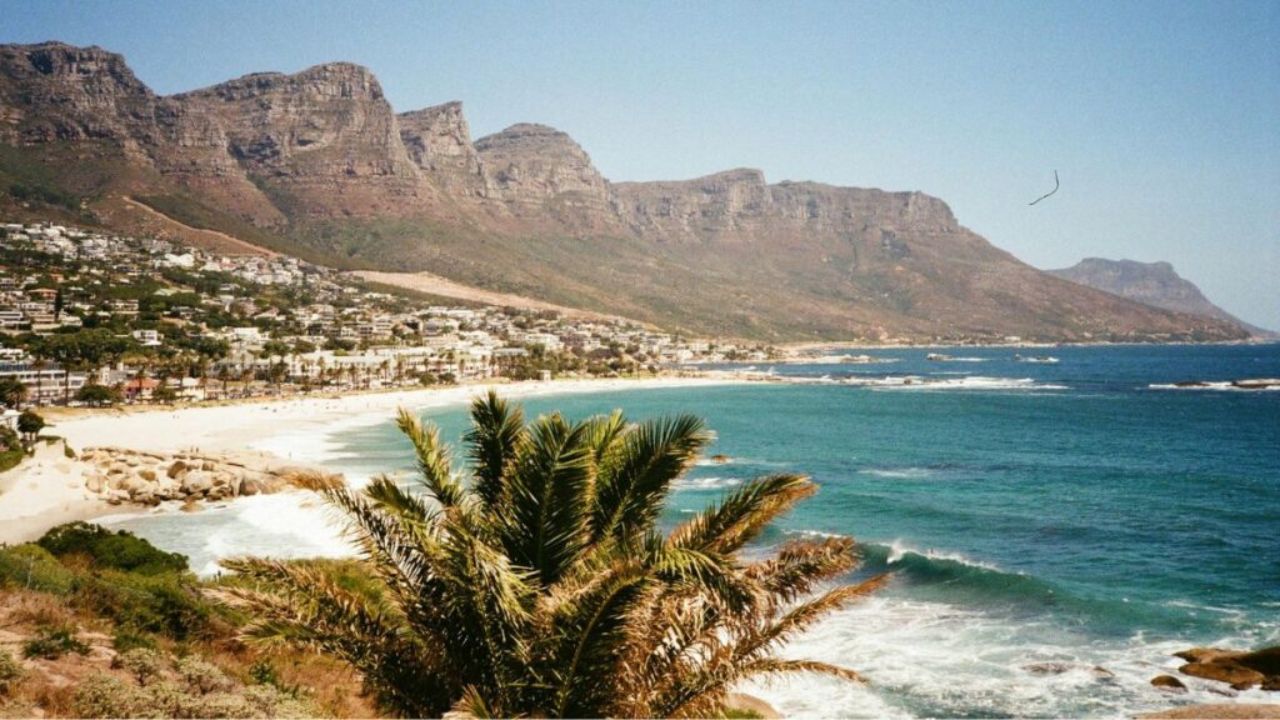
Cape Verde is often associated with busy resort islands like Sal and Boa Vista, but the archipelago has much quieter corners that many travelers never see. These lesser-known islands offer slower rhythms, fewer crowds, and deeper connections to local life. For travelers who prefer nature, walking trails, village cafés, and uncrowded beaches, these islands can feel like a completely different country.
Below are the Cape Verde islands that remain largely overlooked by mass tourism, and why they may be the best places to visit if you want a calmer, more authentic experience.
Table of Contents
Santo Antão
Santo Antão is widely considered the most beautiful island in Cape Verde, yet it remains one of the least visited. Its dramatic mountain ranges, deep green valleys, and cliff-side villages attract hikers and nature lovers rather than resort tourists.
The island has no international airport, which naturally limits visitor numbers. Travelers arrive by ferry from São Vicente, and once there, they find small guesthouses instead of large hotels. Life moves slowly, with farming communities scattered across steep terrain. Hiking routes such as the Paul Valley and coastal paths near Fontainhas are often quiet, even in peak season.
If you enjoy walking, photography, and local food made from fresh produce, Santo Antão offers an experience that feels far removed from crowds and packaged tourism.
Brava
Brava is the smallest inhabited island in Cape Verde and one of the least developed for tourism. Known as the “island of flowers,” Brava has a mild climate, green hills, and cliff-top viewpoints overlooking the Atlantic.
There is no airport, and access is limited to ferries from Fogo, which keeps visitor numbers very low. The capital, Nova Sintra, feels more like a quiet town than a tourist destination. Streets are peaceful, locals know one another, and evenings are calm.
Brava suits travelers who want silence, scenic walks, and genuine interaction with residents. There are few organized tours, so exploration is personal and unhurried.
Maio
Maio lies close to Santiago but feels worlds apart. While Santiago sees regular tourism and urban activity, Maio remains largely untouched. Long beaches stretch for miles with almost no one in sight, and the island has a strong sense of community.
The landscape is flatter and drier than Santo Antão or Brava, making it ideal for relaxed walks, swimming, and birdwatching. Accommodation options are limited, which naturally filters out mass tourism.
Maio is ideal for travelers who want beach time without resorts, crowds, or nightlife. Even during high season, beaches often feel completely empty.
São Nicolau
São Nicolau is one of Cape Verde’s most underrated islands. It combines mountainous interiors with quiet coastal villages and a strong cultural identity. Tourism exists here, but at a very small scale.
The island’s main town, Ribeira Brava, has a traditional feel, with music, local markets, and daily life unfolding without tourist pressure. Hiking routes through Monte Gordo Natural Park offer sweeping views and solitude.
São Nicolau appeals to travelers interested in culture, landscapes, and calm exploration rather than nightlife or beach resorts. It is especially rewarding for repeat visitors to Cape Verde who want something different.
Fogo (Outside the Volcano Area)
Fogo is best known for its volcano, which does attract visitors. However, once you move beyond the main volcanic sites, much of the island remains quiet and lightly visited.
Villages outside Chã das Caldeiras, especially along the coast, experience little tourism. Here, life revolves around fishing, farming, and local markets. The island’s dramatic scenery, traditional wine production, and strong community life create a rich experience without crowds.
Fogo is ideal for travelers who want striking landscapes combined with authentic daily life, as long as they are willing to explore beyond the most famous spots.
Why These Islands Stay Uncrowded
Several factors keep these islands under the radar. Limited transport options, fewer hotels, and a lack of large marketing campaigns all play a role. These islands are not designed for quick, package-style holidays. Instead, they reward travelers who enjoy slower travel, flexible schedules, and curiosity.
For many visitors, this is exactly the appeal. You are more likely to meet locals than other tourists, hear traditional music rather than nightclub noise, and experience Cape Verde as it exists day to day.
Is Visiting Less Crowded Islands Right for You?
If you prefer luxury resorts, nightlife, and organized excursions, these islands may feel too quiet. But if your idea of travel includes walking through villages, eating local food, and enjoying nature without interruption, these islands offer something special.
The least crowded Cape Verde islands show a side of the country that many tourists never see. They are not hidden because they lack beauty, but because they offer a different kind of reward: space, calm, and connection.

Marta Silva is a travel writer and certified island guide with over twelve years leading small-group tours across Cape Verde. Based in Praia, Cape Verde, her professional background combines on-the-ground guiding, itinerary planning, and hospitality consulting. Her expertise includes island itineraries, public transport logistics, sustainable travel tips, and local culture immersion. Marta authored the practical guidebook “Discovering Santiago” and contributes island guides for regional tourism publications; she has partnered with Cape Verde’s tourism board on community-based tourism initiatives and regular travel-workshops for visiting journalists.