

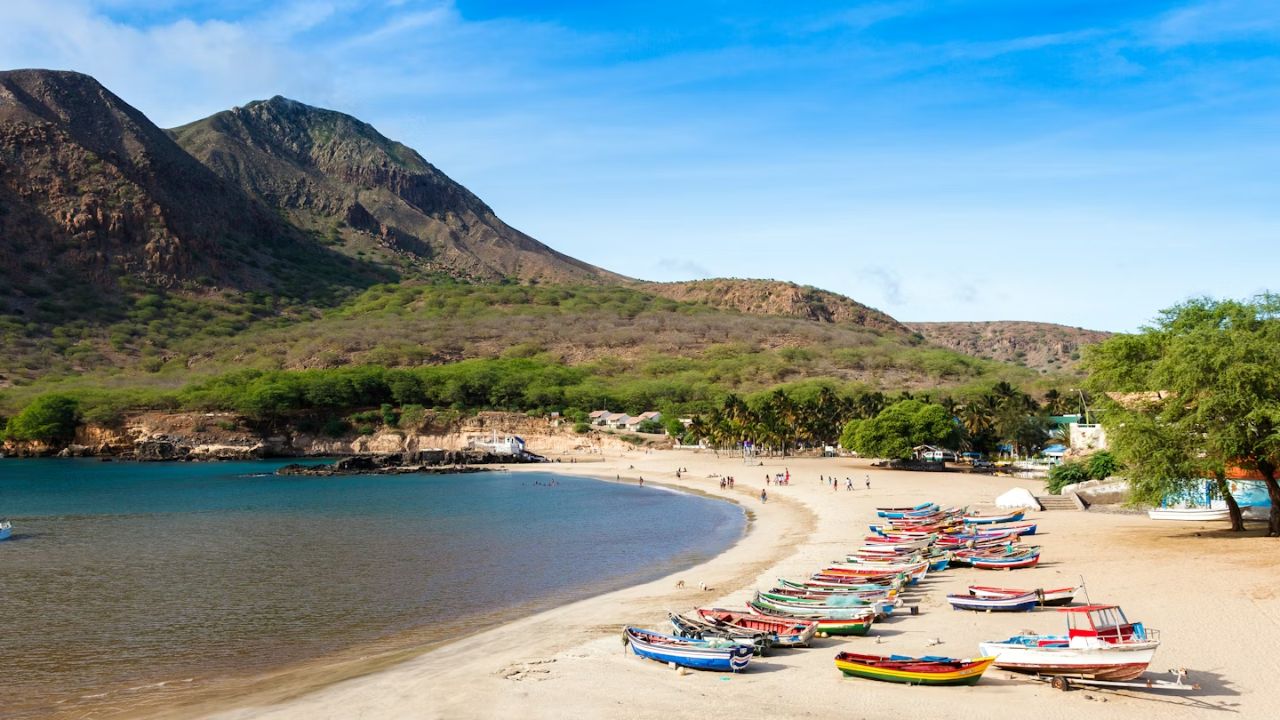
Traveling to Cape Verde for the first time can feel unfamiliar, especially if you’re coming from the United States and haven’t visited Africa or Atlantic island nations before. While Cape Verde is friendly, stable, and easy to navigate, knowing a few practical details in advance can make your trip smoother, safer, and more enjoyable.
This guide focuses specifically on first-time visitors from the USA, covering visas, flights, money, safety, transport, and everyday cultural tips you’ll want to know before you arrive.
Table of Contents
Entry Requirements for US Travelers
U.S. passport holders do not need a traditional visa for short tourist stays in Cape Verde. However, most travelers must complete a pre-travel registration online before arrival. This registration collects passport and flight details and includes a small airport security fee.
Your passport should be valid for at least six months beyond your travel dates, and you may be asked to show a return ticket when entering the country.
Flights from the United States
There are no nonstop commercial flights from the mainland U.S. to Cape Verde. Most travelers connect through:
- Portugal (Lisbon)
- Western Europe (Paris, Amsterdam, or Madrid)
- Occasionally via Boston or New England with seasonal or charter routes
Flights typically land on Sal (SID) or Praia (RAI), depending on your itinerary. Booking early helps keep costs reasonable, especially during winter.
Choosing the Right Island
Cape Verde is an archipelago, not a single destination. First-time visitors often make the mistake of assuming all islands offer the same experience.
- Sal & Boa Vista are best for beach vacations, resorts, and easy travel
- Santiago offers history, culture, and local city life
- São Vicente is known for music, art, and nightlife
- Santo Antão is ideal for hiking and nature-focused trips
If it’s your first visit, staying on one island or combining two nearby islands is usually better than trying to see everything.
Getting Around the Islands
Transportation works differently than in the U.S.
- Taxis are affordable and widely used in cities and tourist areas
- Shared minibuses (aluguers) are common for local travel
- Domestic flights connect major islands, but schedules can change
- Ferries operate between some islands but are weather-dependent
Build flexibility into your schedule, especially if you’re traveling between islands.
Money, Cards, and Cash
Cape Verde uses the Cape Verdean escudo (CVE). U.S. dollars are not commonly accepted for daily transactions.
- ATMs are available in cities and tourist zones
- Credit cards work in hotels and larger restaurants
- Small shops, taxis, and local markets often require cash
It’s smart to carry some cash, especially outside resort areas.
Safety and Health Tips
Cape Verde is considered one of the safest countries in Africa, but basic precautions still apply.
- Petty theft can happen in crowded areas
- Avoid displaying valuables unnecessarily
- Use hotel safes when available
- Tap water is generally not recommended for drinking
Medical facilities are adequate for basic care, but travel insurance is strongly recommended.
Language and Communication
Portuguese is the official language, and Cape Verdean Creole is widely spoken. English is spoken in tourist areas but less common elsewhere.
Learning a few simple phrases goes a long way, and locals are usually patient and helpful with visitors.
Internet access is reliable in hotels and cities, though speeds may be slower than in the U.S.
What to Pack
Cape Verde’s climate is warm and dry most of the year.
Bring:
- Lightweight clothing
- Sun protection (hat, sunscreen, sunglasses)
- Comfortable walking shoes
- A light jacket for evenings and windy days
- Any prescription medications you rely on
Wind can be strong on some islands, especially in winter, so plan accordingly.
Cultural Etiquette to Know
Cape Verdean culture is relaxed, respectful, and community-oriented.
- Greetings matter; a simple hello is appreciated
- Dress modestly outside beach and resort areas
- Tipping is appreciated but not mandatory
- Sundays are slower, with many businesses closed
Respecting local customs helps ensure positive interactions.
Final Advice for First-Time Visitors
Cape Verde rewards travelers who arrive informed and flexible. Things may move slower than in the U.S., schedules can change, and island life follows its own rhythm. That’s part of the experience.
Plan carefully, but leave room to explore, connect, and enjoy the unique mix of African, European, and Atlantic influences that make Cape Verde special for first-time visitors from the United States.

Marta Silva is a travel writer and certified island guide with over twelve years leading small-group tours across Cape Verde. Based in Praia, Cape Verde, her professional background combines on-the-ground guiding, itinerary planning, and hospitality consulting. Her expertise includes island itineraries, public transport logistics, sustainable travel tips, and local culture immersion. Marta authored the practical guidebook “Discovering Santiago” and contributes island guides for regional tourism publications; she has partnered with Cape Verde’s tourism board on community-based tourism initiatives and regular travel-workshops for visiting journalists.