

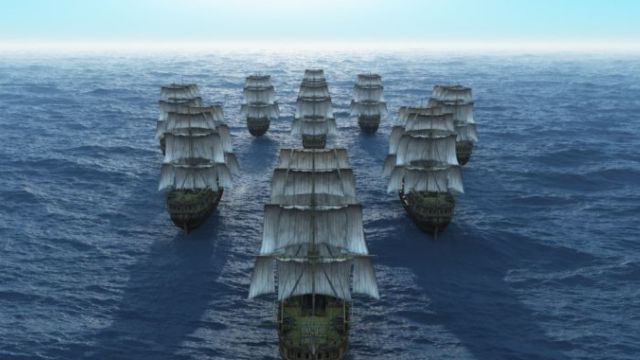
Cape Verde’s identity as a nation of sailors did not emerge by chance. It was shaped by geography, survival, and centuries of interaction with the Atlantic Ocean. Located off the west coast of Africa, the archipelago sits directly along historic sea routes linking Europe, Africa, and the Americas. From the moment the islands entered recorded history, the sea defined how people lived, moved, worked, and understood the world.
With no indigenous population before settlement and limited natural resources, Cape Verdeans depended on the ocean not only for food, but for connection. Sailing was not a profession reserved for elites or specialists; it became a shared skill passed down through generations.
Table of Contents
Early Settlement and Maritime Survival
When the Portuguese settled Cape Verde in the 15th century, the islands quickly became a strategic maritime outpost. Ships traveling across the Atlantic stopped to resupply, repair, and wait for favorable winds. This constant movement of vessels created early opportunities for locals to work as deckhands, navigators, fishermen, and port laborers.
Life on the islands was often harsh. Droughts, poor soil, and food shortages were recurring threats. For many families, the sea offered the only reliable source of survival. Fishing supported daily life, while maritime labor connected islanders to global trade networks. Over time, sailing knowledge became as essential as farming skills in other societies.
Ports as Gateways to the World
Ports like Mindelo on São Vicente and Praia on Santiago became central to Cape Verde’s maritime culture. These harbors were more than economic centers; they were places where languages, music, and ideas mixed. Sailors returned home with stories of distant lands, new rhythms, and new ways of thinking.
Cape Verdean sailors developed a reputation for adaptability and resilience. They worked on merchant ships, whaling vessels, and later steamships, often traveling farther than people from much larger nations. The port cities became training grounds where young men learned navigation, ship maintenance, and seamanship by observation and practice.
Whaling and Long-Distance Seafaring
In the 18th and 19th centuries, Cape Verdeans became deeply involved in the Atlantic whaling industry. American and European whaling ships regularly recruited crew members from the islands, especially from Brava and Fogo. These sailors spent years at sea, crossing oceans and enduring extreme conditions.
Whaling voyages introduced Cape Verdeans to North America, particularly New England. Many sailors eventually settled abroad, forming the foundation of the Cape Verdean diaspora. Yet even those who stayed maintained strong maritime ties, reinforcing sailing as both an economic path and a cultural identity.
The Ocean as a Pathway to Migration
Sailing was not only about work; it became a means of escape from hardship. Recurrent famines and limited opportunities pushed generations of Cape Verdeans to leave by sea. Migration by ship connected families across continents and shaped a worldview rooted in movement rather than borders.
This constant circulation created a people comfortable with distance and change. Sailors carried letters, remittances, and traditions back to the islands, keeping communities connected despite separation. The ocean, while dangerous, became a bridge rather than a barrier.
Maritime Knowledge Passed Through Culture
Seafaring knowledge in Cape Verde was rarely written down. It was transmitted through practice, observation, and storytelling. Songs, proverbs, and oral histories preserved lessons about winds, currents, and survival at sea. Music styles like morna and coladeira often reflect themes of longing, departure, and return.
Fishing techniques, boat-building skills, and navigation methods were shared within families and villages. Children grew up watching the sea, learning to read weather patterns and tides long before formal education. This informal maritime education created deep collective expertise.
Independence and Modern Maritime Identity
After independence in 1975, Cape Verde continued to rely on the sea for trade, fishing, and transportation between islands. Inter-island ferries, ports, and coastal communities remain essential to daily life. While modern technology has changed navigation, the cultural respect for the ocean endures.
Today, Cape Verdean sailors work in international shipping, fishing fleets, and maritime services worldwide. The legacy of centuries at sea lives on in both tradition and profession.
A Nation Defined by Water
Cape Verde became a nation of sailors because it had to. Isolation, scarcity, and opportunity combined to make the ocean central to survival and identity. Over generations, sailing evolved from necessity into heritage. The sea shaped Cape Verde’s economy, culture, and global connections, creating a people whose history is inseparable from the Atlantic.
Understanding Cape Verde means understanding its relationship with the ocean — not as a boundary, but as the force that carried its people into the world and back home again.

Joao Fernandes is a climatologist and historian specializing in Cape Verde’s weather patterns and island history, with fifteen years at the national meteorological institute and university research. Based in Praia, Cape Verde, his professional background blends climate analysis, historical archival research, and public policy advising. His expertise covers seasonal wind and rainfall forecasts, climate resilience for coastal communities, and archival studies of colonial-era records. Joao co-authored the book “Climate and Culture of Cape Verde,” published peer-reviewed papers, and advised municipal planners on weather-informed heritage conservation.