

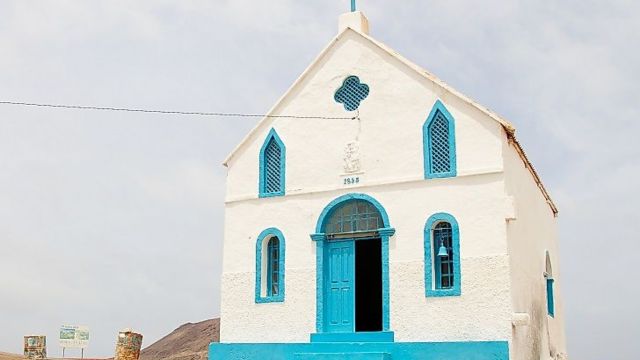
Religion in Cape Verde has played a central role in shaping the islands’ social structure, cultural traditions, and historical identity. From the arrival of Portuguese settlers in the 15th century to the modern, pluralistic society of today, religious belief has evolved alongside migration, colonial rule, and independence. While Christianity—especially Roman Catholicism—has long been dominant, Cape Verde’s religious history reflects a blend of European influence, African heritage, and contemporary global connections.
Pre-Colonial Context and the Arrival of Christianity
Before Portuguese discovery in the 1460s, the Cape Verde islands were uninhabited. As a result, religion arrived entirely through colonization rather than indigenous belief systems. Portuguese settlers brought Roman Catholicism as part of their imperial and missionary objectives. Churches were established quickly, and Catholic doctrine became intertwined with governance, education, and social order.
Table of Contents
The Catholic Church functioned not only as a religious institution but also as a tool of colonial administration. Baptism, marriage, and burial were regulated through the Church, embedding Christianity deeply into everyday life from the earliest years of settlement.
Catholicism and the Colonial Era
During the colonial period, Roman Catholicism was the official and overwhelmingly dominant religion in Cape Verde. Missionaries, priests, and religious orders played key roles in spreading Christian teachings among enslaved Africans brought to the islands. While conversion was often compulsory, African spiritual traditions did not disappear entirely. Instead, they subtly influenced local expressions of faith, rituals, music, and communal celebrations.
Churches became central gathering places, especially in towns such as Ribeira Grande (Cidade Velha), which served as an early religious and administrative hub. Catholic festivals, saints’ days, and processions became major social events that blended religious observance with local culture.
Religion and Slavery in Cape Verde
Religion in Cape Verde cannot be separated from the history of slavery and the Atlantic trade. The Church supported the moral framework of colonial society, often justifying slavery while also providing limited spiritual protection to enslaved populations. Enslaved Africans were baptized and incorporated into Christian life, but racial and social hierarchies remained firmly in place.
Despite these constraints, African-descended communities reshaped Christian practices over time. Oral traditions, music, and communal worship reflected African rhythms and values, contributing to a uniquely Cape Verdean religious culture that differed from European Catholic norms.
Religious Change After Independence
Cape Verde gained independence from Portugal in 1975, marking a turning point in religious life. While the new secular state guaranteed freedom of religion, Catholicism remained culturally influential. Churches continued to play roles in education, community support, and moral discourse, but without formal political power.
After independence, the country saw gradual diversification of religious expression. New Christian denominations began to grow, particularly Protestant and Evangelical churches, influenced by global missionary movements and migration links with the United States and Europe.
Growth of Protestant and Evangelical Communities
In recent decades, Protestant denominations such as the Church of the Nazarene, Seventh-day Adventists, and Pentecostal churches have expanded across the islands. These communities often emphasize personal faith, social discipline, and strong congregational networks.
Their growth reflects broader social changes, including urbanization, youth engagement, and diaspora influence. Many Cape Verdeans encountered Protestant traditions abroad and brought them back home, contributing to religious diversity while remaining largely peaceful and cooperative.
Traditional Beliefs and Cultural Spirituality
Although Cape Verde does not have formal indigenous religions, elements of African spirituality persist in cultural practices. Belief in spirits, protective rituals, and ancestral influence can still be found in folk traditions, healing practices, and oral storytelling. These beliefs coexist with Christianity rather than openly challenging it.
Music, especially genres like morna and coladeira, often carries spiritual and moral themes, reinforcing values of resilience, longing, and community that align closely with religious sentiment.
Religion in Modern Cape Verdean Society
Today, Cape Verde is widely regarded as religiously tolerant and socially stable. The majority of the population identifies as Christian, with Roman Catholicism remaining the largest denomination. At the same time, religious freedom is protected, and minority faiths practice openly without persecution.
Religion continues to influence life events such as weddings, funerals, and festivals, but daily governance and law are secular. Faith is generally seen as a personal and communal matter rather than a political one.
Conclusion: A Blended Religious Identity
Religion in Cape Verde reflects the islands’ broader history—shaped by colonization, migration, adaptation, and cultural blending. From its Catholic foundations to its growing religious diversity, Cape Verde’s spiritual life tells a story of continuity and change. Rather than rigid divisions, the country’s religious landscape is defined by coexistence, cultural integration, and a shared sense of identity rooted in history and community.

Marta Silva is a travel writer and certified island guide with over twelve years leading small-group tours across Cape Verde. Based in Praia, Cape Verde, her professional background combines on-the-ground guiding, itinerary planning, and hospitality consulting. Her expertise includes island itineraries, public transport logistics, sustainable travel tips, and local culture immersion. Marta authored the practical guidebook “Discovering Santiago” and contributes island guides for regional tourism publications; she has partnered with Cape Verde’s tourism board on community-based tourism initiatives and regular travel-workshops for visiting journalists.