

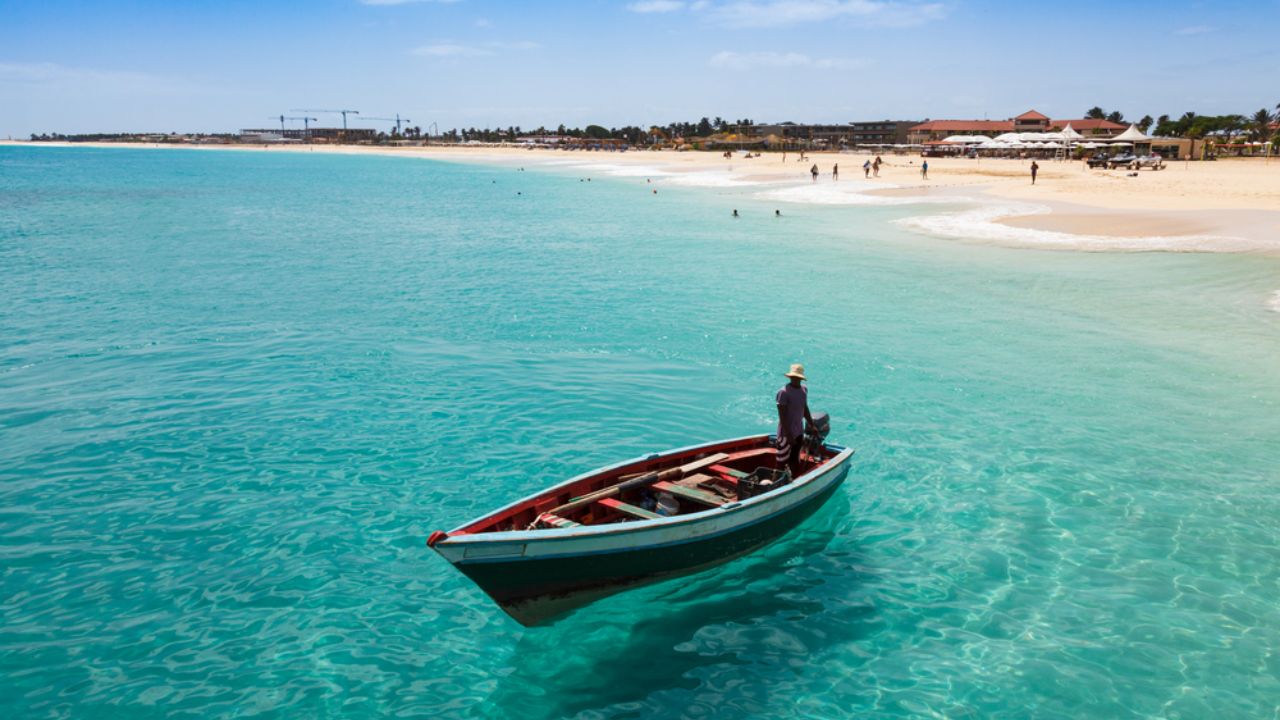
Cape Verde’s climate is often described in overly simple terms, which leads many tourists to arrive with the wrong expectations. Because the islands sit off the coast of West Africa and are marketed as a year-round destination, travelers frequently assume the weather is either always perfect or always extreme. In reality, Cape Verde’s weather is shaped by trade winds, ocean currents, and island geography, creating conditions that are predictable but often misunderstood. Below are some of the most common weather myths tourists believe before visiting Cape Verde.
Myth 1: Cape Verde Is Always Extremely Hot
Many travelers assume Cape Verde has unbearable heat throughout the year. While the islands are warm, temperatures are far more moderate than most people expect. Average daytime temperatures usually range between the low 20s°C in winter and the high 20s°C in late summer. Extreme heat waves are rare, especially on coastal islands like Sal and Boa Vista, where ocean breezes help regulate temperatures.
Table of Contents
What surprises visitors most is how comfortable evenings can be. During winter months, nights may feel cool enough to require a light jacket, particularly on windier islands. Cape Verde’s climate is warm, not oppressive, making it suitable for outdoor activities year-round.
Myth 2: It Rains a Lot Like Other Tropical Destinations
Cape Verde is often grouped with tropical island destinations that experience heavy rainfall and lush greenery. This is misleading. The islands are semi-arid, and rainfall is limited. Most years see very little rain at all, with the short rainy season typically occurring between August and October.
Even during these months, rain usually falls in brief, localized showers rather than prolonged storms. Some islands may see almost no rain in a given year. Travelers expecting daily downpours or jungle-like landscapes are often surprised by the dry terrain and desert-like scenery.
Myth 3: The Rainy Season Ruins Travel Plans
Another common belief is that visiting during the rainy season will lead to canceled plans and unpleasant conditions. In reality, the rainy season in Cape Verde is mild and short. Rain rarely lasts long enough to disrupt an entire day, and many travelers barely notice it at all.
For some visitors, this period is actually appealing. The landscape briefly becomes greener, temperatures are warmer, and tourist crowds are often smaller. For hiking on islands like Santo Antão or Santiago, the post-rain scenery can be especially beautiful without the risks associated with heavy tropical storms.
Myth 4: The Wind Makes the Weather Uncomfortable
Cape Verde’s trade winds are often misunderstood as a negative aspect of the climate. While it is true that the islands can be windy, especially from December through March, the wind usually improves comfort rather than reducing it. The breeze keeps temperatures pleasant and prevents the air from feeling heavy or humid.
On beach islands, the wind is one reason Cape Verde is popular for activities like kiteboarding and windsurfing. Even for travelers uninterested in water sports, the wind typically feels refreshing rather than harsh. Calm days are still common, particularly in sheltered areas and during summer months.
Myth 5: Winter Is Cold and Not Worth Visiting
Some tourists believe Cape Verde’s winter months are too cool for beach travel. While winter temperatures are lower than summer, they remain warm by most standards. Daytime temperatures are ideal for sightseeing, hiking, and beach walks, and ocean temperatures stay swimmable throughout the year.
Winter is also one of the driest and sunniest periods, making it popular with visitors escaping colder climates. The slightly cooler evenings are often welcomed, especially by travelers who prefer mild weather over intense heat.
Myth 6: All Islands Have the Same Weather
Assuming that weather conditions are identical across all Cape Verde islands is another frequent mistake. While the overall climate is similar, there are noticeable differences. Mountainous islands like Santo Antão and Santiago can be cooler and cloudier at higher elevations, while flat islands like Sal and Boa Vista are sunnier and drier.
Rainfall patterns can also vary from island to island. One island may experience a short rain shower while another remains completely dry. Understanding these variations helps travelers choose the island that best suits their preferences and activities.
Myth 7: Cape Verde Is at High Risk for Hurricanes
Because Cape Verde lies in the Atlantic, some tourists worry about hurricanes. In reality, direct hurricane impacts are extremely rare. While Cape Verde plays a role in the formation of some Atlantic storms, these systems typically develop and strengthen far to the west.
Occasional tropical disturbances may bring brief rain or stronger winds, but destructive hurricanes are not a regular concern. Compared to Caribbean destinations, Cape Verde is considered very low risk for severe storm activity.
Understanding the Reality
Most weather myths about Cape Verde come from oversimplification or comparisons with very different destinations. The islands offer a stable, predictable climate that supports travel throughout the year. Knowing what to expect allows visitors to pack properly, plan activities realistically, and enjoy the islands without unnecessary concern.
By setting aside these common myths, travelers can appreciate Cape Verde for what it truly is: a dry, breezy, and comfortably warm destination shaped by the Atlantic rather than the tropics.

Marta Silva is a travel writer and certified island guide with over twelve years leading small-group tours across Cape Verde. Based in Praia, Cape Verde, her professional background combines on-the-ground guiding, itinerary planning, and hospitality consulting. Her expertise includes island itineraries, public transport logistics, sustainable travel tips, and local culture immersion. Marta authored the practical guidebook “Discovering Santiago” and contributes island guides for regional tourism publications; she has partnered with Cape Verde’s tourism board on community-based tourism initiatives and regular travel-workshops for visiting journalists.