

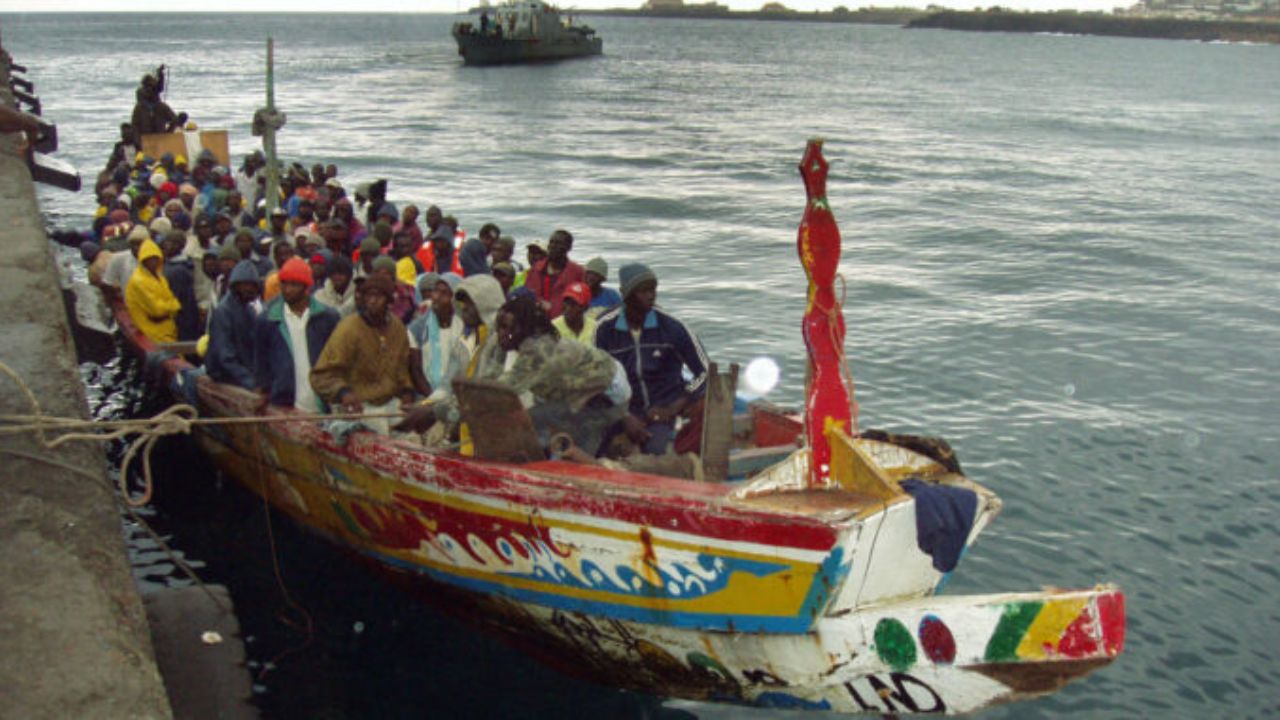
Emigration is not a side chapter in the story of Cape Verde — it is a defining force. For centuries, Cape Verdeans have left the islands in search of work, safety, education, and opportunity. This continuous movement of people has reshaped the country’s economy, culture, demographics, and global identity in ways that still influence everyday life across the archipelago.
Understanding Cape Verde today requires understanding how emigration changed it — permanently.
Table of Contents
Why Emigration Became Central to Cape Verdean Life
Cape Verde’s geography and climate made survival difficult long before modern development. Limited natural resources, frequent droughts, and poor agricultural conditions pushed generations to look outward. During the colonial period, emigration was often the only escape from hunger and unemployment.
Opportunities abroad — especially in maritime work, whaling, construction, and later service industries — created migration routes that became self-reinforcing. Once communities were established overseas, family members followed. Emigration shifted from an emergency response into a long-term survival strategy.
The Rise of a Global Cape Verdean Diaspora
Today, more Cape Verdeans and their descendants live abroad than on the islands themselves. Large communities formed in the United States, Portugal, the Netherlands, France, and parts of West Africa. These diaspora networks did more than provide jobs — they created parallel Cape Verdean societies overseas.
Language, music, food, religion, and traditions were preserved and adapted abroad. This global presence transformed Cape Verde into a transnational nation, connected by flights, phone calls, remittances, and cultural exchange rather than borders alone.
Economic Transformation Through Remittances
Money sent home by emigrants fundamentally reshaped Cape Verde’s economy. Remittances became a stable source of income for families and one of the country’s most reliable financial inflows. Homes were built, children were educated, and small businesses survived because of money earned abroad.
Entire neighborhoods and villages developed with diaspora funding. Even today, many households rely partly on relatives overseas. This financial lifeline reduced extreme poverty but also created dependence, making emigration an economic pillar rather than a temporary solution.
Cultural Identity and the Experience of Leaving
Emigration deeply influenced Cape Verdean identity. Music genres like morna and coladeira reflect longing, separation, and nostalgia. Themes of distance, memory, and return appear constantly in literature and everyday conversation.
Being Cape Verdean came to include the experience of leaving, waiting, and returning — sometimes only in dreams. This emotional layer distinguishes Cape Verdean culture from many other island nations and explains the strong sense of connection between homeland and diaspora.
Social Changes Within the Islands
As large numbers of working-age adults left, family structures changed. Women often became heads of households. Children grew up with parents abroad, raised by grandparents or extended family. Communities adapted, but the social cost was real.
At the same time, return migration brought new ideas, skills, and expectations. Returned emigrants influenced fashion, architecture, education goals, and attitudes toward work and governance. Emigration did not just remove people — it reshaped social norms.
Political and Global Influence
Cape Verde’s diaspora gained political importance over time. Voting rights for citizens abroad strengthened democratic participation and forced governments to consider emigrant interests. International connections improved diplomatic visibility and helped position Cape Verde as a stable, cooperative nation.
Migration experience also influenced governance. Exposure to other political systems shaped expectations around transparency, education, and economic planning back home.
A Permanent Legacy Still Unfolding
Emigration changed Cape Verde forever — not by emptying it, but by extending it. The nation exists simultaneously on the islands and across the world. Families, culture, money, and identity flow constantly between these spaces.
Today, Cape Verde balances pride in its diaspora with efforts to create opportunities at home. The legacy of emigration remains visible in music, architecture, family life, and national outlook. It is not simply history — it is an ongoing force shaping the country’s future.

Joao Fernandes is a climatologist and historian specializing in Cape Verde’s weather patterns and island history, with fifteen years at the national meteorological institute and university research. Based in Praia, Cape Verde, his professional background blends climate analysis, historical archival research, and public policy advising. His expertise covers seasonal wind and rainfall forecasts, climate resilience for coastal communities, and archival studies of colonial-era records. Joao co-authored the book “Climate and Culture of Cape Verde,” published peer-reviewed papers, and advised municipal planners on weather-informed heritage conservation.