

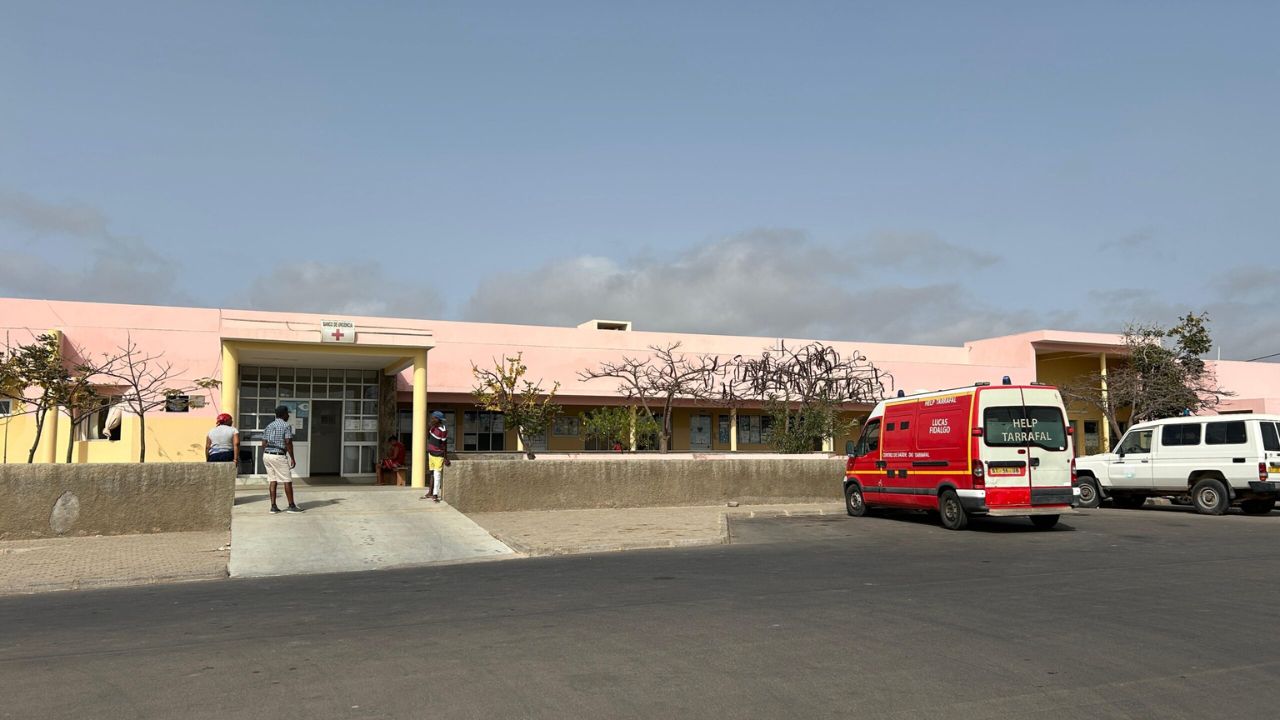
Travelers visiting Cape Verde often ask practical questions about health care before booking flights or island-hopping plans. While the country is generally safe and welcoming, understanding how medical services work is an important part of responsible trip planning. Health care access in Cape Verde is reliable for routine needs, but it differs from what many U.S. or European travelers may be used to.
This guide explains what tourists should realistically expect, where care is strongest, and how to prepare in advance.
Table of Contents
Public and Private Health Care System
Cape Verde operates a mixed health care system made up of public hospitals and private clinics. Public facilities are government-run and primarily serve residents, but tourists can receive treatment in emergencies. Costs are generally low compared to the United States, although services may be limited depending on the island.
Private clinics are more commonly used by visitors. They tend to offer shorter wait times, more predictable service, and staff who speak English, French, or Portuguese. Private care is still affordable by international standards, but payment is usually required upfront.
For most travelers, minor illnesses, infections, dehydration, and basic injuries can be treated without major difficulty.
Health Care Quality by Island
Medical access varies significantly from island to island.
Santiago Island, home to the capital city Praia, has the country’s largest hospitals and the widest range of specialists. Serious medical cases are usually referred here.
Sal and Boa Vista, which receive the highest number of international tourists, have modern private clinics designed to handle common travel-related issues. These islands are well-prepared for resort guests and short-term visitors.
Smaller islands such as Santo Antão, São Nicolau, or Maio have limited facilities. Clinics exist, but advanced diagnostics, surgery, or specialized care may not be available locally. In serious situations, patients are transferred to Santiago or, in rare cases, abroad.
Emergency Care and Response
Emergency medical care is available throughout Cape Verde, but response times can vary. Urban and tourist-heavy areas generally have faster access to ambulances and clinics, while remote or mountainous regions may experience delays.
Tourists should not expect emergency services to operate at the same speed or scale as in large U.S. cities. This is one reason travel insurance is strongly recommended, especially for activities such as hiking, diving, or inter-island travel.
Hotel staff and resort operators are often the fastest way to connect with emergency services.
Costs and Payment Expectations
Health care costs in Cape Verde are relatively low, but tourists should be prepared to pay out of pocket.
Public hospitals charge minimal fees, but services may involve longer wait times. Private clinics charge more, yet costs are still moderate compared to Western countries.
Credit cards are accepted at some private clinics, but cash is often preferred. Keep receipts if you plan to file an insurance claim after returning home.
There is no reciprocal health care agreement with the United States, so visitors must cover all medical expenses themselves.
Travel Insurance and Medical Evacuation
Travel insurance is one of the most important preparations for a Cape Verde trip. A good policy should cover emergency treatment, hospitalization, and medical evacuation.
For serious injuries or complex conditions, evacuation to Europe is sometimes recommended by doctors. While rare, these situations can be extremely expensive without insurance.
Insurance is especially important for older travelers, families with children, and anyone with pre-existing conditions.
Pharmacies and Prescription Medications
Pharmacies are widely available in cities and tourist areas. Many common medications for pain, fever, allergies, and stomach issues are available without a prescription.
However, brand names may differ from those in the U.S., and some specialized medications may not be stocked. Travelers who rely on prescription drugs should bring an adequate supply in original packaging, along with a copy of the prescription.
Pharmacists are generally knowledgeable and can offer basic guidance for minor health issues.
Common Health Concerns for Tourists
Most health issues faced by visitors are mild and preventable. Dehydration, sun exposure, minor infections, and digestive discomfort are the most common complaints.
Tap water is safe in some urban areas but bottled water is recommended for tourists. Strong sun, dry winds, and long beach days can quickly lead to dehydration if precautions are not taken.
Mosquito-borne illnesses are rare, but basic protection such as repellent is advisable, especially during warmer months.
Practical Health Tips Before You Travel
Before arriving in Cape Verde, travelers should ensure routine vaccinations are up to date. No special vaccines are required for most visitors, but personal medical advice from a healthcare provider is always wise.
Pack a small personal medical kit with essentials, copies of insurance documents, and emergency contact numbers. Knowing the location of the nearest clinic on your arrival island can save time if care is needed.
With reasonable preparation, most tourists experience a safe and healthy visit. Cape Verde’s health care system is capable of meeting common needs, and understanding its limits helps travelers enjoy the islands with confidence and peace of mind.

Marta Silva is a travel writer and certified island guide with over twelve years leading small-group tours across Cape Verde. Based in Praia, Cape Verde, her professional background combines on-the-ground guiding, itinerary planning, and hospitality consulting. Her expertise includes island itineraries, public transport logistics, sustainable travel tips, and local culture immersion. Marta authored the practical guidebook “Discovering Santiago” and contributes island guides for regional tourism publications; she has partnered with Cape Verde’s tourism board on community-based tourism initiatives and regular travel-workshops for visiting journalists.