

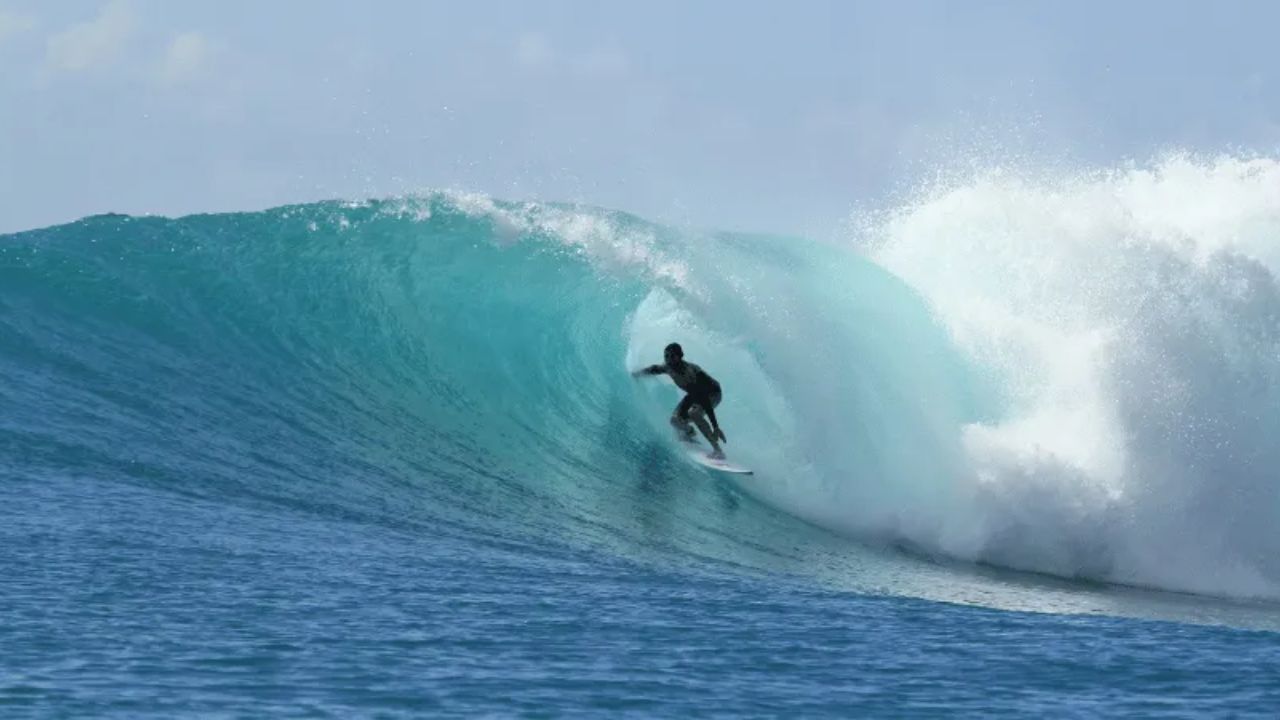
Cape Verde’s location in the Atlantic Ocean gives it some of the most dynamic ocean conditions in the region. The same waters that attract surfers and kiteboarders from around the world can feel challenging to travelers who simply want calm swimming beaches. Understanding how ocean conditions change by season is essential when deciding the best time to visit Cape Verde for swimming or surfing.
This guide explains how winds, waves, currents, and seasons affect the ocean around Cape Verde, and which months are best suited for relaxed swimming versus wave-focused sports.
Table of Contents
Understanding Cape Verde’s Ocean Environment
Cape Verde sits off the coast of West Africa, fully exposed to Atlantic swells. Unlike sheltered Mediterranean destinations, the islands experience consistent wave action, trade winds, and shifting currents throughout the year.
Ocean conditions vary by island. Sal and Boa Vista have long, open beaches with steady winds. Santiago has a mix of exposed and protected coves. Santo Antão and São Vicente are known for stronger swells and dramatic coastlines. This variation means the “best” ocean conditions depend heavily on what you plan to do in the water.
Best Months for Swimming in Cape Verde
Swimming is most enjoyable when winds are lighter, waves are smaller, and water temperatures are warm. In Cape Verde, this generally occurs from late summer into early autumn.
The best swimming months are August, September, and October. During this period, trade winds weaken, ocean swells are smaller, and sea temperatures are at their warmest, often around 26–27°C. Beaches feel calmer, making it easier to swim, float, and snorkel close to shore.
July can also be suitable for swimming, though occasional wind and swell are still possible. In November, water remains warm, but winds slowly begin to return, making conditions less predictable.
Sheltered beaches and coves are especially important for swimmers. Even during calmer months, some Atlantic-facing beaches can still have strong shore breaks. Areas with natural protection, reefs, or bays are generally safer for casual swimming.
Swimming Conditions to Be Cautious About
From December through March, swimming conditions become more challenging. Stronger trade winds increase wave height, and currents can be powerful. While water temperatures remain comfortable, the ocean can feel rough, particularly for inexperienced swimmers.
Rip currents are common on exposed beaches, and swimmers should avoid entering the water where waves break forcefully close to shore. During these months, swimming is safest in hotel-monitored beaches or protected lagoons.
Best Months for Surfing in Cape Verde
Cape Verde is a respected surf destination, particularly for experienced surfers who enjoy powerful Atlantic waves. Surf conditions peak when swells are strong and consistent, which typically happens during the winter months.
The best surfing months are November through March. During this time, long-period Atlantic swells arrive regularly, producing clean, powerful waves. Reef breaks and point breaks are at their best, especially on islands like São Vicente, Santo Antão, and parts of Sal.
February is often considered a prime month for advanced surfers, with reliable swell and favorable wave shapes. Water temperatures remain comfortable, usually around 23–24°C, though wetsuits are commonly used due to wind exposure.
Surfing for Beginners and Intermediates
While winter brings the best waves, it is not ideal for beginners. Strong currents and heavy reef breaks require skill and local knowledge. Beginner and intermediate surfers may find better conditions during shoulder months such as October and April, when waves are smaller but still rideable.
Some beaches offer gentler sand-bottom breaks that are more forgiving, but lessons and local guidance are strongly recommended.
Wind and Surf Sports Beyond Surfing
Trade winds play a major role in Cape Verde’s ocean conditions. From December to June, winds are strong and consistent, making this period excellent for kiteboarding and windsurfing, particularly on Sal and Boa Vista.
These same winds, however, make calm swimming difficult. Travelers should consider whether their priority is water sports or relaxation when choosing travel dates.
Ocean Safety and Practical Tips
Regardless of the season, ocean awareness is essential in Cape Verde. Always observe local warning flags, watch wave patterns before entering the water, and avoid swimming alone. If lifeguards are present, follow their guidance strictly.
For swimming-focused trips, choose accommodations near calmer beaches and plan ocean activities during early morning hours, when winds are typically lighter. For surfing trips, research specific breaks in advance and consider hiring local guides who understand tides and reef conditions.
Choosing the Right Months for Your Trip
Cape Verde offers excellent ocean experiences year-round, but not all months suit all travelers. Late summer and early autumn are best for relaxed swimming and beach enjoyment. Winter months are ideal for surfing and wind-based water sports but demand caution and experience.
By matching your travel dates with your ocean priorities, you can enjoy Cape Verde’s Atlantic waters safely and fully, whether you are floating in warm, calm seas or riding some of the region’s most powerful waves.

Marta Silva is a travel writer and certified island guide with over twelve years leading small-group tours across Cape Verde. Based in Praia, Cape Verde, her professional background combines on-the-ground guiding, itinerary planning, and hospitality consulting. Her expertise includes island itineraries, public transport logistics, sustainable travel tips, and local culture immersion. Marta authored the practical guidebook “Discovering Santiago” and contributes island guides for regional tourism publications; she has partnered with Cape Verde’s tourism board on community-based tourism initiatives and regular travel-workshops for visiting journalists.