

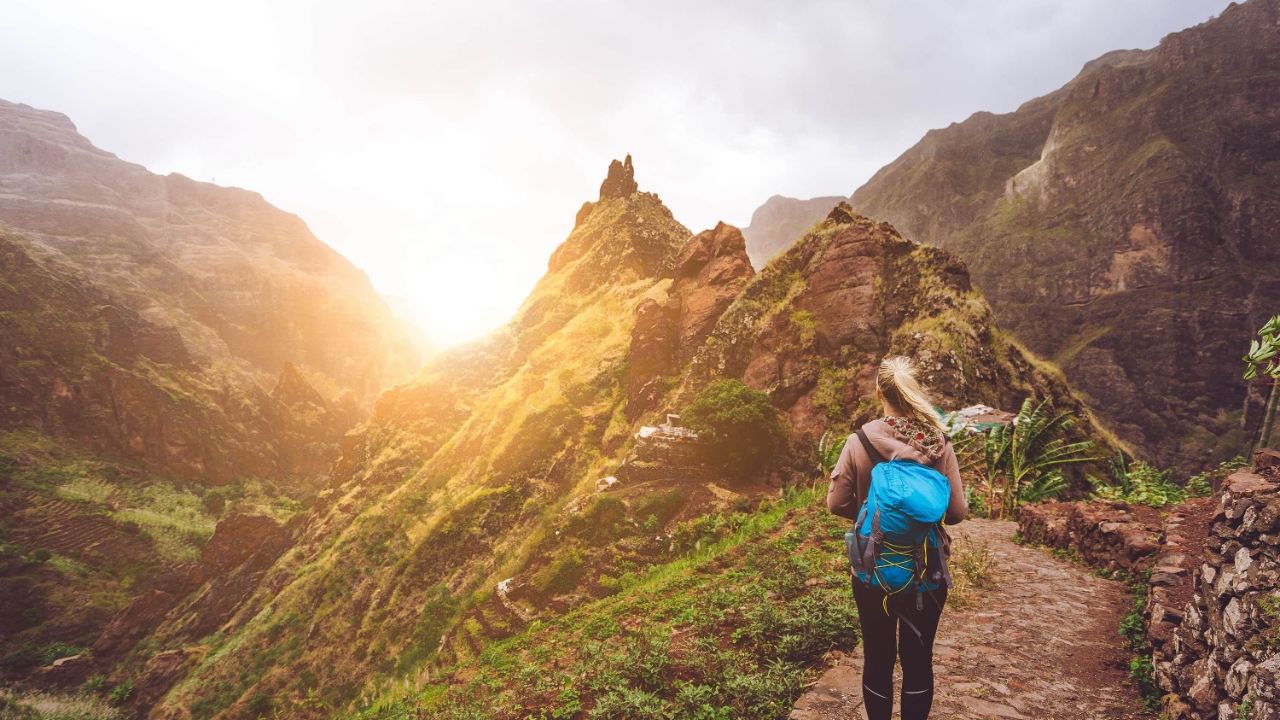
Understanding the weather is essential when planning hiking and outdoor activities in Cape Verde. The archipelago’s climate is generally mild, dry, and stable, which makes it attractive for year-round travel. However, conditions can vary by season, island, and elevation. Knowing when temperatures are comfortable, winds are manageable, and trails are safest can make a significant difference to your experience.
Overview of Cape Verde’s Climate
Cape Verde has a dry tropical climate influenced by the Atlantic Ocean and northeast trade winds. Temperatures remain fairly consistent throughout the year, typically ranging between 22°C and 29°C. Rainfall is limited and concentrated into a short season, while humidity stays lower than in many other tropical destinations. These factors create generally favorable conditions for outdoor exploration, especially compared to more humid regions.
Table of Contents
For hikers, the most important elements to consider are heat, wind, and occasional rainfall, rather than extreme cold or storms.
Best Months for Hiking and Trekking
The most popular period for hiking and outdoor activities is from November to April. During these months, daytime temperatures are moderate, nights are cooler, and rainfall is minimal. Trails are dry, visibility is good, and conditions are comfortable for longer walks and climbs.
January to March is especially favored for mountain hikes on islands like Santo Antão and Fogo. The air is cooler, making steep ascents more manageable, and the landscape remains green at higher elevations from earlier seasonal moisture.
May and June can also be suitable, though temperatures begin to rise. Early morning starts become more important during this time to avoid midday heat.
Wind Season and Outdoor Conditions
From December to March, Cape Verde experiences stronger trade winds, sometimes referred to as the harmattan period. These winds can be refreshing for hikers at lower elevations but challenging on exposed ridges and coastal paths.
For outdoor activities:
- Mountain valleys and interior trails are usually well sheltered
- Coastal and cliffside hikes can feel significantly windier
- Wind increases dehydration risk, even in cooler temperatures
Proper layering and wind-resistant clothing are useful during this season, especially for longer treks.
Rainy Season and Trail Safety
The rainy season typically runs from August to October, with September being the wettest month. Even then, rainfall is irregular and often short-lived rather than continuous.
For hiking and outdoor activities, this season requires more caution:
- Some trails may become slippery or eroded
- Volcanic and rocky paths can be unstable after rain
- Riverbeds may flood briefly during heavy showers
That said, the rainy season also brings greener landscapes, especially in mountainous areas. Experienced hikers who monitor weather conditions closely can still enjoy outdoor activities, but flexibility is essential.
Island Differences That Matter for Hikers
Not all islands offer the same hiking conditions. Weather patterns interact differently with terrain and elevation.
Mountainous islands such as Santo Antão, Santiago, and Fogo have cooler temperatures at higher altitudes and more varied microclimates. Morning fog and cloud cover are common in these areas, which can be pleasant for hiking but may reduce visibility.
Flatter islands like Sal and Boa Vista are hotter, drier, and more exposed to wind. Outdoor activities here are better suited to coastal walks and short excursions rather than long mountain treks.
Temperature, Sun, and Heat Management
Even in cooler months, sun exposure in Cape Verde can be intense. UV levels are high, and shade can be limited on many trails. For outdoor activities, this means planning carefully around the sun.
Key considerations include:
- Starting hikes early in the morning
- Wearing sun protection and breathable clothing
- Carrying sufficient water, especially in dry zones
Heat exhaustion is a greater risk than cold-related issues, particularly for visitors not accustomed to dry tropical climates.
Best Time of Day for Outdoor Activities
Across most seasons, early morning is the safest and most comfortable time for hiking. Temperatures are lower, winds are often calmer, and lighting conditions are ideal. Late afternoon can also be suitable in cooler months, but daylight fades quickly in winter.
Midday hiking is generally discouraged during warmer months due to heat and direct sun exposure.
Final Thoughts on Planning Around Weather
Cape Verde’s climate is one of its greatest advantages for outdoor enthusiasts. With careful planning around seasonal temperatures, wind patterns, and rainfall, hikers and explorers can enjoy dramatic landscapes, volcanic terrain, and coastal trails throughout much of the year.
Checking local forecasts, choosing the right island and elevation, and adjusting activity timing are simple steps that help ensure safe and rewarding outdoor experiences in Cape Verde.

Joao Fernandes is a climatologist and historian specializing in Cape Verde’s weather patterns and island history, with fifteen years at the national meteorological institute and university research. Based in Praia, Cape Verde, his professional background blends climate analysis, historical archival research, and public policy advising. His expertise covers seasonal wind and rainfall forecasts, climate resilience for coastal communities, and archival studies of colonial-era records. Joao co-authored the book “Climate and Culture of Cape Verde,” published peer-reviewed papers, and advised municipal planners on weather-informed heritage conservation.