

Cape Verde’s weather has always been shaped by the Atlantic Ocean, trade winds, and its location off the West African coast. Traditionally, the islands experienced long dry seasons, short and irregular rainy periods, and generally mild temperatures year-round. In recent decades, however, climate change has begun to alter these familiar patterns. Rising global temperatures, shifting wind systems, and warming oceans are increasingly influencing how weather behaves across the archipelago, affecting daily life, ecosystems, and long-term planning.
Cape Verde’s Traditional Climate Patterns
Cape Verde has a semi-arid climate, with most islands receiving limited rainfall concentrated in a short season between August and October. The rest of the year is dominated by dry air and steady trade winds. These conditions historically shaped agriculture, water management, settlement patterns, and even cultural rhythms such as festivals and fishing seasons. For generations, communities adapted to scarcity of rain by relying on cisterns, drought-resistant crops, and seasonal expectations that, while challenging, were relatively predictable.
Table of Contents
Rising Temperatures Across the Islands
One of the clearest signs of climate change in Cape Verde is a gradual rise in average temperatures. Hot days are becoming more frequent, and heat waves last longer than they once did. While the islands are moderated by the ocean, warmer air temperatures increase evaporation rates, dry out soils faster, and place additional stress on water resources. For residents, this can mean hotter living conditions and higher energy demand. For visitors, it may change expectations about comfort during certain months of the year.
Changes in Rainfall and Drought Frequency
Rainfall in Cape Verde has always been unreliable, but climate change is making it even more erratic. When rain does arrive, it is increasingly likely to fall in intense, short bursts rather than gentle, sustained periods. This reduces the amount of water that can soak into the ground and be stored for later use. At the same time, extended droughts are becoming more common, particularly on islands that already receive minimal rainfall. These shifts threaten agriculture, reduce groundwater recharge, and increase dependence on desalination.
Stronger Winds and Atmospheric Shifts
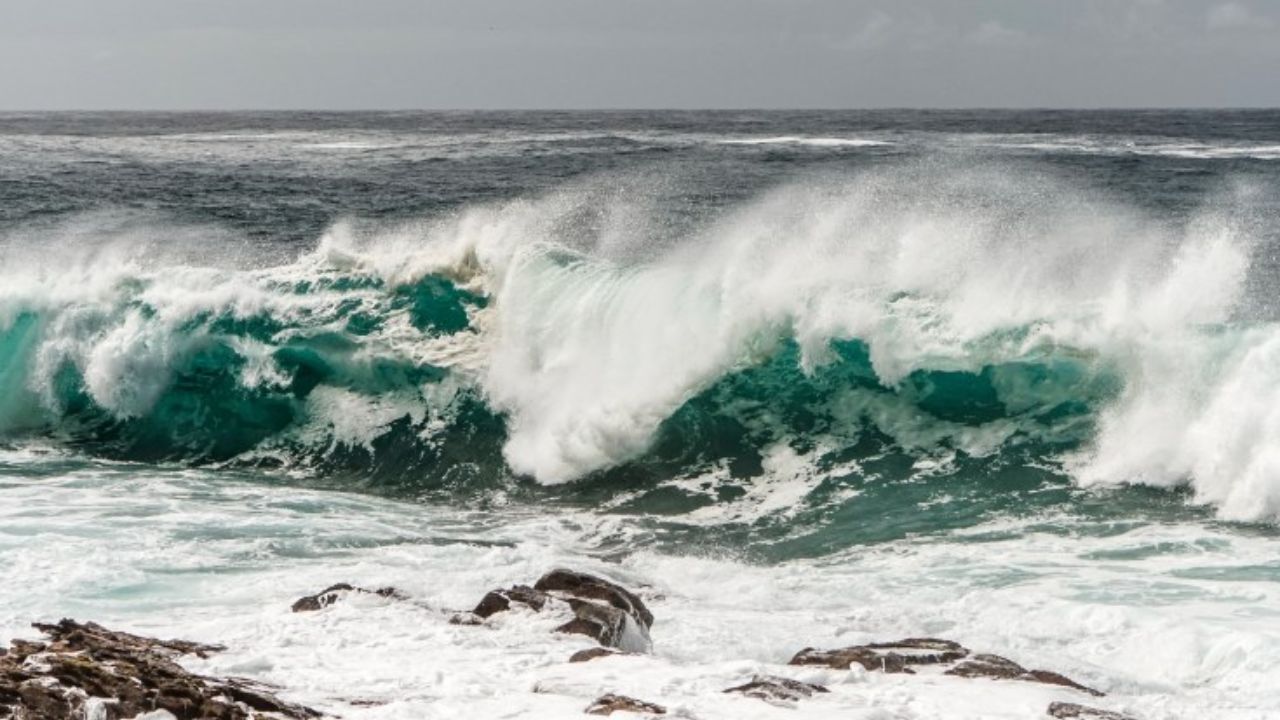
The trade winds that shape Cape Verde’s climate are also being affected by broader atmospheric changes. Some seasons now experience stronger or more persistent winds, especially during winter months. While this can benefit activities such as windsurfing and kitesurfing, it can also increase coastal erosion, affect ferry schedules, and raise levels of airborne dust during the harmattan season. Increased dust in the air has implications for respiratory health and visibility, as well as for solar energy production.
Ocean Warming and Its Weather Effects
Climate change does not only affect the air. Sea surface temperatures around Cape Verde are rising, which influences local weather systems. Warmer oceans can alter cloud formation and rainfall patterns, and they also affect marine ecosystems that many island communities depend on. Changes in ocean temperature may influence storm development further south in the Atlantic, indirectly affecting wind and wave conditions around the islands even if major storms rarely make landfall.
Impacts on Agriculture and Water Resources
Weather changes linked to climate change place growing pressure on Cape Verde’s already fragile agricultural sector. Crops such as maize and beans are highly sensitive to rainfall timing, and unpredictable weather increases the risk of failed harvests. Livestock grazing is also affected by prolonged dry periods. As a result, food security concerns are becoming more pronounced, and investment in drought-resistant farming methods and water storage infrastructure is increasingly important.
What This Means for Travelers
For travelers, climate change may subtly influence when and how to visit Cape Verde. Hotter temperatures may make certain activities less comfortable during peak summer months, while unpredictable winds or rain can affect outdoor plans. At the same time, understanding these changes helps visitors travel more responsibly by conserving water, respecting local conditions, and choosing accommodations that support sustainability. Being informed about weather variability allows travelers to plan with realistic expectations rather than relying on outdated assumptions.
Looking Ahead: Adaptation and Resilience
Cape Verde is actively working to adapt to climate change through renewable energy investment, improved water management, and climate-resilient infrastructure. Solar and wind power play a growing role in reducing dependence on imported fuels, while desalination plants help secure freshwater supplies. Understanding how climate change is affecting weather is essential for building resilience, protecting communities, and ensuring that both residents and visitors can continue to experience the islands safely and responsibly.
Conclusion
Climate change is reshaping Cape Verde’s weather in ways that are gradual but significant. Rising temperatures, shifting rainfall patterns, changing winds, and warmer oceans are all influencing daily life across the islands. While these changes present real challenges, awareness and adaptation are key. By understanding how the climate is evolving, Cape Verde can continue to balance environmental protection, community well-being, and sustainable tourism in the years ahead.

Joao Fernandes is a climatologist and historian specializing in Cape Verde’s weather patterns and island history, with fifteen years at the national meteorological institute and university research. Based in Praia, Cape Verde, his professional background blends climate analysis, historical archival research, and public policy advising. His expertise covers seasonal wind and rainfall forecasts, climate resilience for coastal communities, and archival studies of colonial-era records. Joao co-authored the book “Climate and Culture of Cape Verde,” published peer-reviewed papers, and advised municipal planners on weather-informed heritage conservation.