

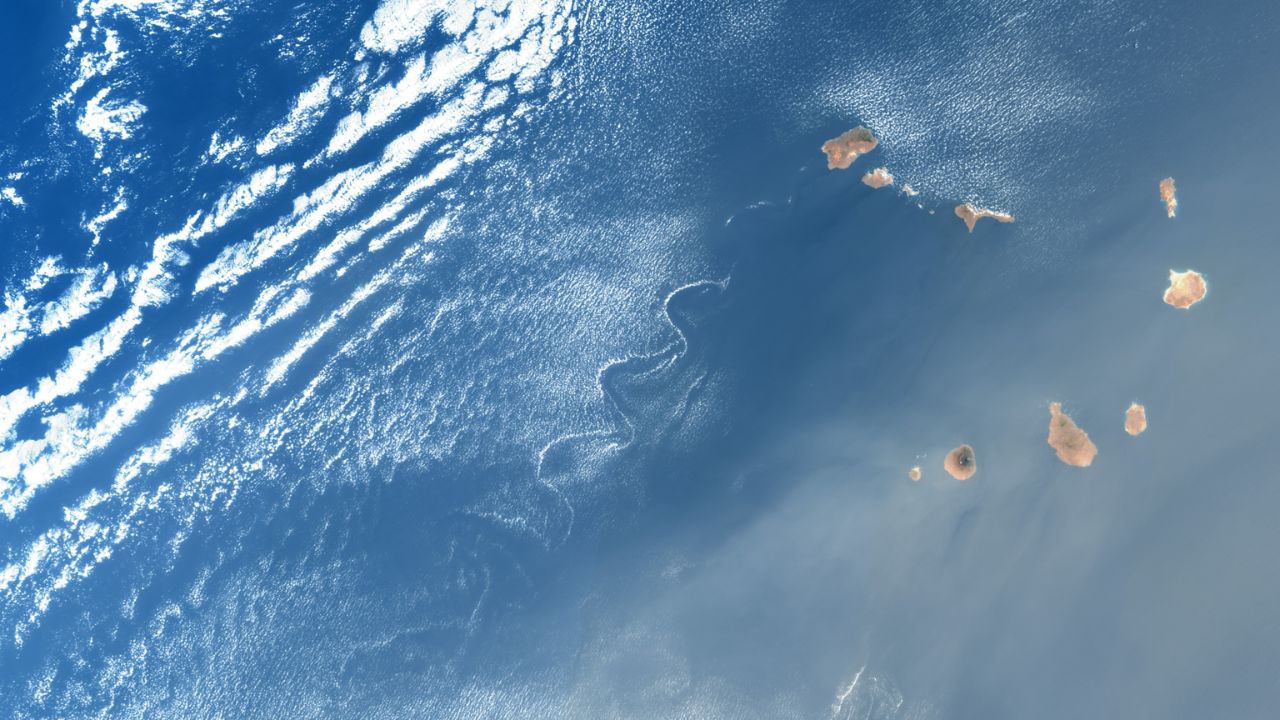
Migration has always been central to Cape Verde’s story. From its earliest settlement to modern global diasporas, waves of movement—forced, voluntary, and economic—have shaped the islands’ people, culture, and identity. Understanding these migration patterns helps explain why Cape Verde is both deeply local and profoundly global at the same time.
Early Settlement and Forced Migration (15th–17th Century)
Cape Verde was uninhabited before the arrival of the Portuguese in the mid-15th century. The first major migration wave began with Portuguese settlers, administrators, and traders who established the islands as a strategic Atlantic outpost.
Table of Contents
Alongside European settlers came forced migration from West Africa. Enslaved Africans were brought to Cape Verde from regions that are now Senegal, Guinea-Bissau, and Sierra Leone. The islands became an important hub in the transatlantic slave trade, serving as a stopover point between Africa, Europe, and the Americas.
This early mixing of European and African populations laid the foundation for Cape Verde’s Creole society. Language, music, religion, and social structures emerged from this blending, creating a distinct identity that was neither fully European nor African, but uniquely Cape Verdean.
Internal Migration and Island Inequality
Within the archipelago itself, migration between islands has been a constant feature. Harsh climates, recurring droughts, and uneven economic opportunities pushed people to move internally in search of survival and work.
Historically, islands like Santiago held political and administrative power, while others such as Santo Antão and Fogo experienced repeated agricultural hardship. Families often split across islands, creating strong inter-island networks that still exist today.
This internal mobility shaped social resilience. Cape Verdeans became accustomed to movement as a survival strategy, a mindset that later made international migration feel like a continuation rather than a rupture.
19th–Early 20th Century Emigration to the Americas
The next major migration wave was outward. From the 19th century onward, thousands of Cape Verdeans left the islands due to famine, economic instability, and limited resources.
The United States became a key destination, particularly New England. Cape Verdeans found work in whaling, fishing, and later factory labor. Cities such as New Bedford, Providence, and Boston developed strong Cape Verdean communities that persist across generations.
This period marked the beginning of a transnational identity. Remittances sent home became essential for survival on the islands, while cultural ties were maintained through language, music, and family connections across the Atlantic.
Colonial Labor Migration to Africa and Europe
During the Portuguese colonial period, Cape Verdeans were also encouraged—or compelled—to migrate to other Portuguese territories. Many were sent as laborers to Angola, São Tomé and Príncipe, and Guinea-Bissau.
In the mid-20th century, Europe emerged as another major destination. Portugal, the Netherlands, France, and later Italy attracted Cape Verdeans seeking industrial and service-sector jobs. These migrations diversified the diaspora and expanded Cape Verde’s global footprint.
Despite physical distance, migrants often maintained close ties to the islands, reinforcing a sense of shared identity that transcended borders.
Post-Independence Migration and Global Diaspora
Cape Verde gained independence in 1975, but migration did not slow. Economic challenges, limited natural resources, and aspirations for education and opportunity continued to push people abroad.
What changed was the nature of migration. Increasingly, Cape Verdeans migrated for education, professional advancement, and family reunification. Women played a larger role in these movements, reshaping family structures and social dynamics both at home and abroad.
Today, the Cape Verdean diaspora is larger than the population living on the islands themselves. Communities span the United States, Europe, and parts of Africa, creating a truly global nation connected by shared heritage.
Cultural and Social Impact of Migration
Migration has profoundly shaped Cape Verde’s culture. Music genres like morna and coladeira reflect themes of longing, separation, and return. Creole language evolved through constant contact with different cultures, adapting while remaining rooted in the islands.
Socially, migration normalized adaptability and resilience. Families often operate across borders, with identity shaped as much by movement as by place. Being Cape Verdean is not defined solely by geography, but by shared history and experience.
Migration as a Defining Feature of Modern Cape Verde
Rather than viewing migration as a loss, Cape Verde has come to see it as a defining strength. The flow of people, ideas, and resources has allowed a small island nation to maintain global relevance and cultural vitality.
Modern Cape Verde is the product of centuries of movement—across oceans, between islands, and through generations. Migration did not just shape the population; it shaped the mindset, values, and global outlook that continue to define Cape Verde today.

Marta Silva is a travel writer and certified island guide with over twelve years leading small-group tours across Cape Verde. Based in Praia, Cape Verde, her professional background combines on-the-ground guiding, itinerary planning, and hospitality consulting. Her expertise includes island itineraries, public transport logistics, sustainable travel tips, and local culture immersion. Marta authored the practical guidebook “Discovering Santiago” and contributes island guides for regional tourism publications; she has partnered with Cape Verde’s tourism board on community-based tourism initiatives and regular travel-workshops for visiting journalists.