

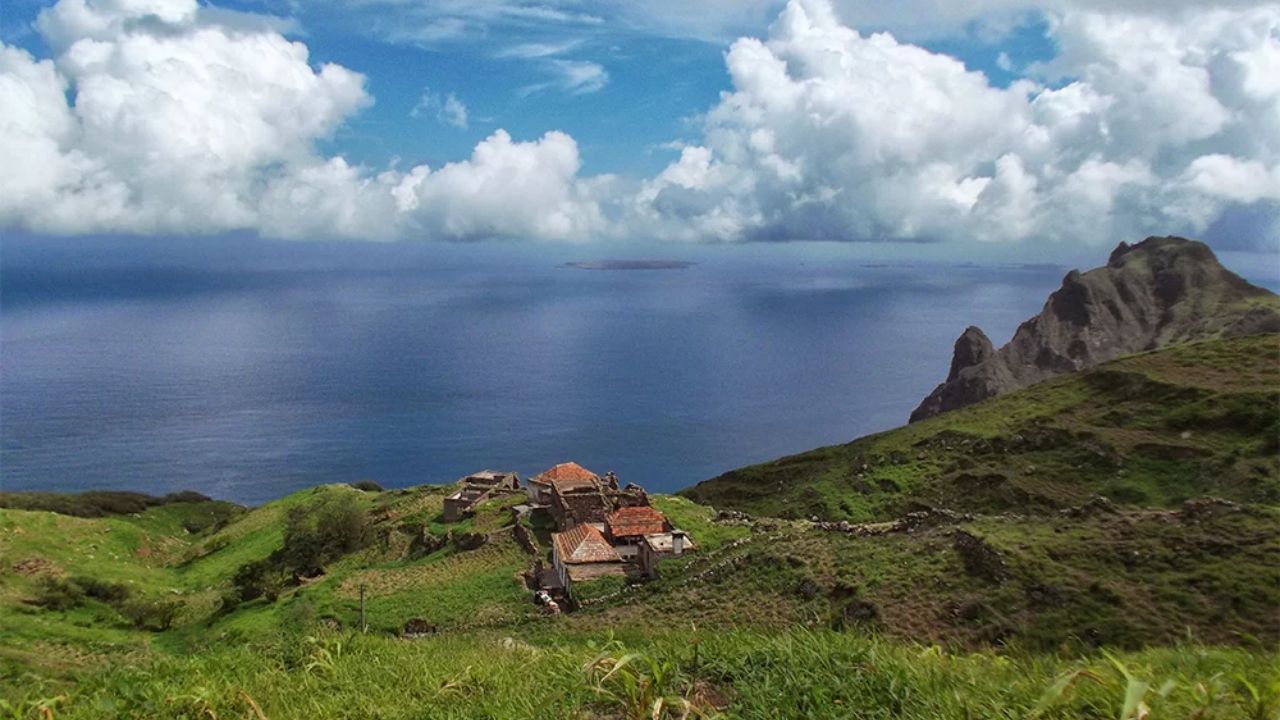
Brava Island is the smallest inhabited island of Cape Verde, but it leaves a lasting impression on everyone who visits. Known locally as Ilha das Flores (Island of Flowers), Brava stands apart from the country’s drier, more desert-like islands. Its cooler climate, lush hills, and colorful gardens give it a softer, greener character that feels almost unexpected in the Atlantic.
This guide explains why Brava earned its floral reputation, what makes the island unique, and what travelers should know before visiting.
Table of Contents
Where Brava Is Located
Brava lies in the southwestern part of the Cape Verde archipelago, just south of Fogo. It is only accessible by boat, usually via ferry connections from Fogo, which adds to its quiet and secluded atmosphere. Because there is no airport, Brava receives far fewer visitors than Sal, Boa Vista, or Santiago, helping preserve its calm pace of life.
The island’s isolation has shaped its culture, architecture, and strong sense of community.
Why Brava Is Called the Island of Flowers
Brava’s nickname comes from its unusual natural environment. Unlike many Cape Verde islands that experience long dry periods, Brava benefits from higher humidity and more frequent cloud cover. This allows flowers, fruit trees, and ornamental plants to thrive.
Gardens filled with bougainvillea, hibiscus, roses, and fruit trees are common, especially around homes and public spaces. During certain seasons, hillsides appear green and dotted with color, creating a striking contrast to the volcanic landscapes found elsewhere in the country.
The island’s residents take pride in maintaining gardens, and flowers are often part of daily life rather than tourist displays.
Nova Sintra and Island Life
The main town, Nova Sintra, sits in the hills rather than along the coast. This elevated position gives the town cooler temperatures and sweeping views of the ocean. Colonial-era houses, narrow streets, and small squares reflect Brava’s historical ties to Portugal and its long tradition of emigration.
Life in Nova Sintra moves slowly. Shops close early, neighbors know one another, and social life often centers around family gatherings and local events. For travelers, this offers a chance to experience Cape Verde away from large resorts or crowded attractions.
Nature, Coastline, and Viewpoints
Brava’s interior is hilly and green, making it ideal for walking and light hiking. Paths between villages pass through gardens, small farms, and viewpoints overlooking the Atlantic.
Along the coast, places like Fajã d’Água offer natural swimming areas, rocky coves, and dramatic scenery. The sea can be rough at times, so swimming conditions depend heavily on weather, but the coastline remains one of the island’s most scenic features.
Sunsets on Brava are especially memorable, with clear views toward Fogo and open ocean horizons.
History and Cultural Identity
Brava has a long history of migration, particularly to the United States, with strong ties to New England communities. Many families maintain connections across generations, and remittances and return visits have influenced local architecture and lifestyles.
Culturally, Brava is known for its music, poetry, and strong preservation of traditions. The island’s quieter environment has often inspired writers and artists, contributing to its reputation as one of Cape Verde’s most soulful islands.
When to Visit Brava
Brava can be visited year-round, but conditions vary by season. Cooler months tend to be more comfortable for walking and exploring the hills, while warmer months bring brighter colors to gardens and landscapes.
Because access depends on ferry schedules and sea conditions, travelers should plan extra time and remain flexible. This unpredictability is part of Brava’s charm, but it requires patience.
Who Brava Is Best For
Brava is ideal for travelers seeking calm, authenticity, and natural beauty rather than nightlife or resort-style amenities. It suits slow travelers, cultural explorers, photographers, and visitors with personal or family connections to Cape Verde.
Those looking for busy beaches, large hotels, or extensive tourist infrastructure may find Brava too quiet.
Final Thoughts
Brava Island earns its title as the Island of Flowers not through spectacle, but through atmosphere. Its greenery, gardens, and gentle pace offer a different side of Cape Verde—one rooted in community, nature, and tradition. For travelers willing to slow down and explore thoughtfully, Brava provides a rare and rewarding experience.

Marta Silva is a travel writer and certified island guide with over twelve years leading small-group tours across Cape Verde. Based in Praia, Cape Verde, her professional background combines on-the-ground guiding, itinerary planning, and hospitality consulting. Her expertise includes island itineraries, public transport logistics, sustainable travel tips, and local culture immersion. Marta authored the practical guidebook “Discovering Santiago” and contributes island guides for regional tourism publications; she has partnered with Cape Verde’s tourism board on community-based tourism initiatives and regular travel-workshops for visiting journalists.