

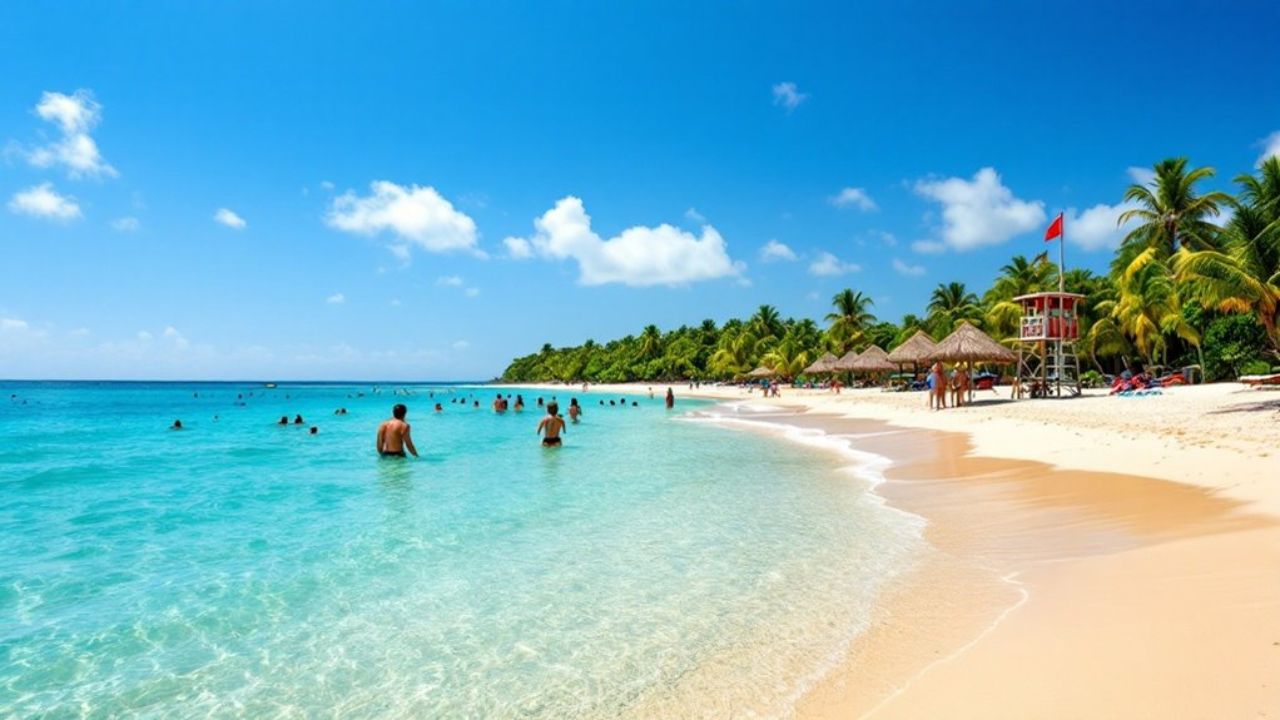
The ocean plays a central role in life and travel across Cape Verde. From swimming and snorkeling to surfing and fishing, understanding ocean conditions is essential for anyone visiting the islands. While the waters are generally clean and inviting, the Atlantic Ocean around Cape Verde can be powerful. Waves, currents, and seasonal winds all influence how safe and enjoyable the sea is at different times of year.
This guide explains what travelers should know about waves, currents, and ocean safety so they can plan activities with confidence and caution.
Table of Contents
General Ocean Characteristics Around Cape Verde
Cape Verde sits in the eastern Atlantic Ocean, west of mainland Africa. The islands are fully exposed to open ocean conditions, unlike destinations protected by reefs or shallow continental shelves. This exposure creates clearer water and strong wave energy but also means that sea conditions can change quickly.
Water temperatures are comfortable year-round, usually ranging between 22°C and 27°C. Visibility is often excellent, especially during calmer months, making the islands popular for diving and snorkeling in suitable locations.
Wave Patterns and Swell Conditions
Waves around Cape Verde are shaped mainly by Atlantic swells rather than local tides. The islands receive consistent wave energy, which is why they are well known among surfers.
During winter months, roughly from November to March, swells tend to be larger and more frequent. Waves can become powerful, especially on west- and north-facing coasts. These conditions are ideal for experienced surfers but can be challenging or unsafe for casual swimmers.
In summer, waves are generally smaller, though not flat. Even during calmer periods, rolling Atlantic waves are common. Some beaches experience strong shore breaks, where waves break suddenly near the shore, increasing the risk of knockdowns.
Ocean Currents and Their Impact
Currents are one of the most important safety factors for visitors to understand. Around Cape Verde, currents are often stronger than they appear from the surface. These are not always visible and can pull swimmers away from shore gradually.
Rip currents are present on many beaches, especially those with open exposure and sandy bottoms. They are more common during periods of higher swell and wind. These currents can affect even confident swimmers.
Unlike enclosed seas, the Atlantic around Cape Verde does not have uniform conditions. One beach may be calm while another nearby experiences strong lateral or outward-moving currents.
Seasonal Wind and Ocean Conditions
Trade winds strongly influence the ocean environment in Cape Verde. From December through April, winds are more consistent and can significantly increase wave size and surface chop.
This windy season attracts windsurfers and kitesurfers but can make swimming more difficult. Waves may feel stronger due to wind-driven surface movement, and currents can intensify.
From August to October, winds are usually lighter, and the ocean may appear calmer overall. However, this period can still include strong swells, and caution is always advised.
Differences Between Islands and Beaches
Ocean conditions vary widely across the archipelago. Islands like Sal and Boa Vista have long, open beaches facing the Atlantic, where waves and currents are often stronger. These beaches are beautiful but not always ideal for relaxed swimming.
Other islands, such as São Vicente and Santiago, offer more varied coastlines. Some bays and coves provide partial shelter, resulting in calmer waters suitable for swimming and snorkeling when conditions are right.
Local knowledge matters. Beaches used regularly by residents tend to be safer choices, as locals are familiar with daily conditions and seasonal risks.
Swimming and Water Safety Tips
Travelers should never assume a beach is safe for swimming based on appearance alone. Calm-looking water can hide strong currents beneath the surface.
When possible, choose beaches with lifeguards or visible safety signage. Pay attention to flags, warnings, and advice from locals or hotel staff. Avoid swimming alone, especially on remote beaches.
If caught in a strong current, swimmers should avoid panicking or fighting directly against it. Floating, staying calm, and swimming parallel to the shore can help escape rip currents.
Ocean Conditions for Activities
For snorkeling and diving, calmer mornings are usually best, before winds increase. Sheltered bays and rocky areas tend to offer better conditions than open sandy beaches.
Surfing conditions are excellent for experienced surfers, particularly during winter swells. Beginners should seek professional instruction and locations known for gentler waves.
Fishing and boat excursions are generally safe with licensed operators who understand local conditions, but seas can become rough quickly, so schedules may change.
Final Thoughts on Ocean Safety in Cape Verde
Cape Verde offers some of the Atlantic’s most striking ocean scenery, but it demands respect. Waves and currents are a natural part of the environment, not a sign of danger when understood properly.
By learning about seasonal patterns, choosing beaches carefully, and listening to local advice, visitors can safely enjoy the sea. Awareness and preparation turn Cape Verde’s powerful ocean from a risk into one of the islands’ greatest attractions.

Joao Fernandes is a climatologist and historian specializing in Cape Verde’s weather patterns and island history, with fifteen years at the national meteorological institute and university research. Based in Praia, Cape Verde, his professional background blends climate analysis, historical archival research, and public policy advising. His expertise covers seasonal wind and rainfall forecasts, climate resilience for coastal communities, and archival studies of colonial-era records. Joao co-authored the book “Climate and Culture of Cape Verde,” published peer-reviewed papers, and advised municipal planners on weather-informed heritage conservation.