

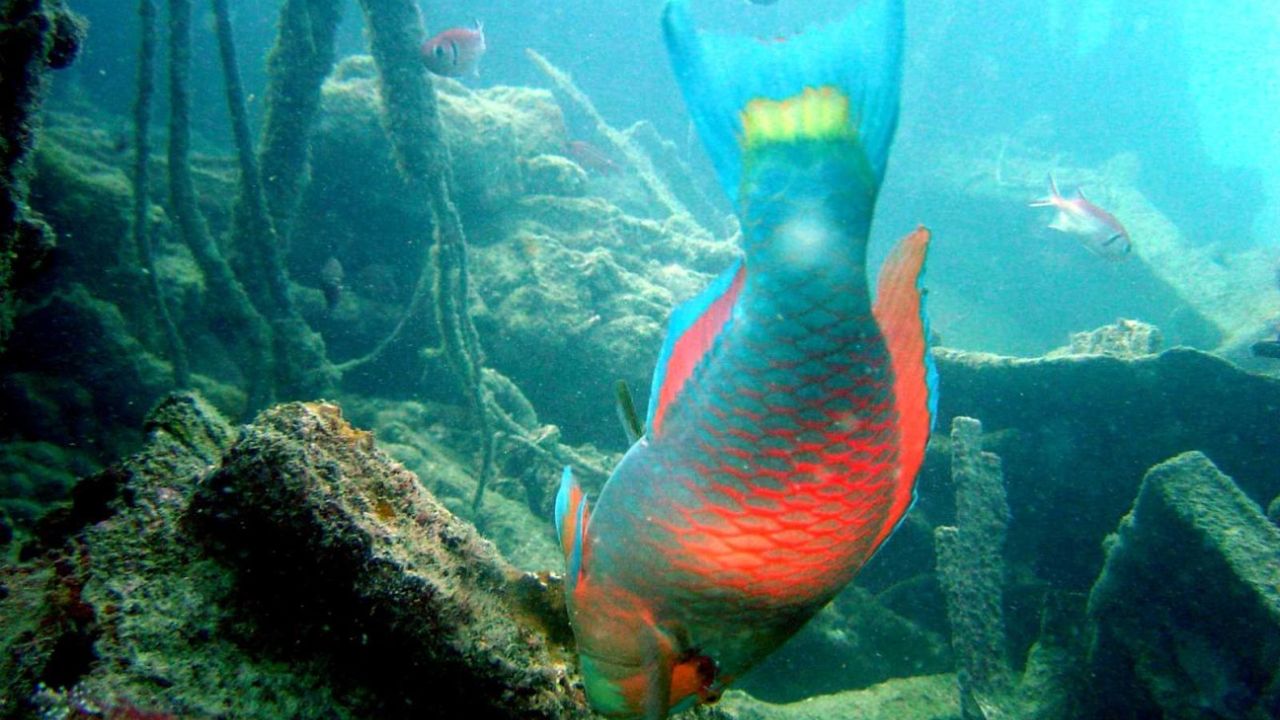
Cape Verde’s identity has always been shaped by the sea. Scattered across the Atlantic Ocean, the islands developed not around rivers or farmland, but around harbors, trade winds, and maritime routes that connected Africa, Europe, and the Americas. For centuries, the ocean has defined how Cape Verdeans worked, traveled, communicated, and understood the world. Maritime life is not just a historical theme in Cape Verde—it is a living tradition that continues to influence culture, livelihoods, and national identity.
The Atlantic Crossroads
From the moment the islands were settled in the 15th century, Cape Verde became a strategic maritime crossroads. Portuguese explorers used the archipelago as a stopping point for transatlantic voyages, and its ports soon became vital links in global trade networks. Ships carrying goods, people, and ideas passed through Cape Verde’s waters, turning the islands into a meeting place of cultures and maritime knowledge.
Table of Contents
This constant movement by sea shaped a population deeply familiar with navigation, tides, and seasonal winds. The ocean was both a connector and a barrier—offering opportunity, but also isolation when storms or calm seas delayed travel.
Fishing as a Way of Life
Fishing has long been central to daily life across the islands. Coastal communities developed techniques adapted to local conditions, relying on small boats, handlines, and nets passed down through generations. Knowledge of currents, fish behavior, and moon cycles was traditionally shared orally, often within families.
Fishing was rarely an individual pursuit. Crews worked together, shared risks, and divided catches according to long-standing customs. Even today, in towns and villages, fishing remains a visible part of life—boats pulled onto beaches, nets repaired by hand, and early mornings timed to the sea rather than the clock.
Traditional Boats and Navigation
Cape Verdean seafaring traditions include distinctive wooden boats designed for Atlantic conditions. These vessels, built by local craftsmen, balance durability with flexibility to handle waves and changing winds. Boatbuilding itself became a respected skill, blending European designs with African adaptations.
Navigation relied less on instruments and more on experience. Sailors learned to read the color of the water, the behavior of birds, and the direction of winds. This deep environmental awareness was essential for inter-island travel long before modern ferries or engines existed.
Ports, Harbors, and Maritime Towns
Ports such as Mindelo, Praia, and other coastal centers grew as maritime hubs. These towns became gateways for migration, trade, and cultural exchange. Sailors arriving from abroad brought music, stories, and new influences, while departing ships carried Cape Verdean labor and traditions overseas.
Harbor life created its own rhythm—dockworkers, merchants, musicians, and travelers all intersected in port neighborhoods. This environment played a major role in shaping Cape Verde’s urban culture and its strong outward-looking identity.
Migration and the Seafaring Spirit
Seafaring in Cape Verde is closely tied to migration. Limited natural resources and recurring droughts pushed many Cape Verdeans to seek opportunities abroad, often by sea. Ships carried workers to whaling industries, merchant fleets, and later to ports in the Americas and Europe.
This history created a strong diaspora connected by maritime routes. Even today, the idea of departure and return remains powerful in Cape Verdean culture, reflected in music, literature, and family histories. The sea represents both separation and connection.
Maritime Influence on Culture and Music
The emotional relationship with the ocean is deeply embedded in Cape Verdean cultural expression. Songs and poems frequently reference sailors, long journeys, waiting at ports, and the uncertainty of the sea. Music styles such as morna capture themes of longing, distance, and hope rooted in maritime life.
Festivals, coastal rituals, and local traditions often honor the sea’s role as provider and protector, acknowledging both its generosity and its dangers.
Maritime Life in the Modern Era
While technology has transformed navigation, fishing, and transport, maritime traditions remain visible. Modern ports and ferries coexist with small fishing boats and traditional practices. Tourism has added new maritime activities, but many communities continue to depend on the sea for food and identity.
Efforts to preserve maritime heritage—through museums, oral histories, and cultural programs—aim to keep this knowledge alive for future generations.
Conclusion
Maritime life is the foundation of Cape Verde’s past and present. The sea shaped settlement patterns, economic survival, migration, and cultural expression across the islands. Understanding Cape Verde’s seafaring traditions offers insight into a people defined by resilience, movement, and a deep, enduring relationship with the Atlantic Ocean.

Joao Fernandes is a climatologist and historian specializing in Cape Verde’s weather patterns and island history, with fifteen years at the national meteorological institute and university research. Based in Praia, Cape Verde, his professional background blends climate analysis, historical archival research, and public policy advising. His expertise covers seasonal wind and rainfall forecasts, climate resilience for coastal communities, and archival studies of colonial-era records. Joao co-authored the book “Climate and Culture of Cape Verde,” published peer-reviewed papers, and advised municipal planners on weather-informed heritage conservation.