

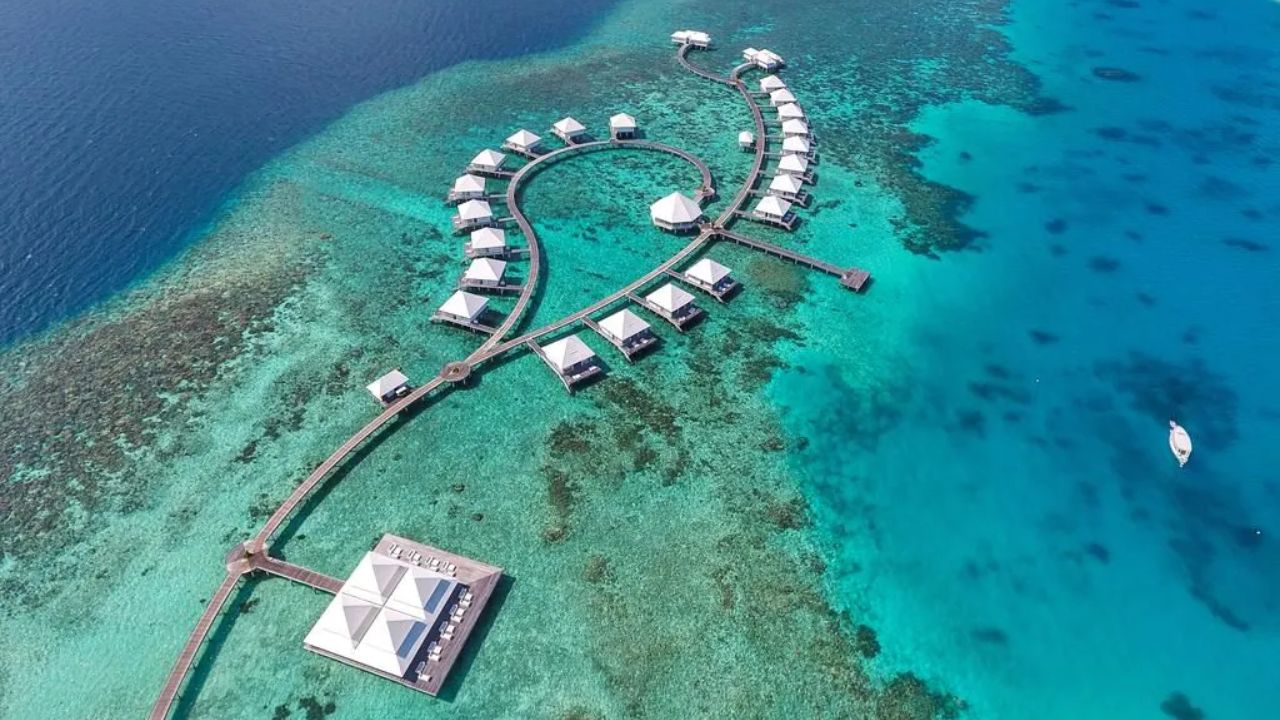
Life on an island can look very different depending on whether that island is shaped mainly by tourism or by local communities. In destinations like Cape Verde, this contrast is especially clear. Some islands are designed around resorts, international flights, and visitor comfort, while others revolve around everyday routines, agriculture, fishing, and close-knit social life. Understanding these differences helps travelers set realistic expectations and appreciate the islands beyond postcards.
What Defines a Tourist Island
Tourist islands are built to serve visitors. Infrastructure, services, and daily rhythms are organized around flights, hotel check-ins, excursions, and seasonal demand. In Cape Verde, islands like Sal and Boa Vista fall into this category.
Table of Contents
Life on these islands moves at a fast, service-oriented pace. Restaurants open according to tourist schedules, shops accept international cards, and English or other foreign languages are widely spoken. Many residents work in hospitality, transport, entertainment, or tourism support services. While this creates jobs and steady income, it also means daily life is closely tied to tourist seasons and global travel trends.
Daily Life on Local Islands
Local islands operate at a different rhythm. Islands such as Santiago or Santo Antão are less focused on mass tourism and more on local needs.
Here, daily life revolves around schools, markets, farming, fishing, and family routines. Businesses open early and close when work is done, not when tourists are free. Portuguese and Cape Verdean Creole dominate daily communication, and social life centers on neighborhoods, churches, and community events. Visitors often notice a slower pace, fewer conveniences, and a stronger sense of tradition.
Cost of Living and Spending Patterns
Tourist islands usually have higher prices. Imported food, restaurant meals, taxis, and accommodation cost more because demand is driven by visitors with foreign spending power. Locals working in tourism may earn more than those on local islands, but expenses are also higher.
On local islands, everyday costs are generally lower. People rely more on local produce, shared transport, and informal networks. While incomes may be smaller, community support and lower living costs balance daily life. For travelers, this difference can be surprising when moving between islands within the same country.
Community and Social Connections
Tourism changes how communities interact. On tourist islands, residents meet new people constantly, and relationships can be more transactional. Work schedules often follow hotel shifts rather than traditional routines.
Local islands tend to have deeper social ties. Families know each other across generations, and social life is more predictable. Festivals, music, and shared meals play a bigger role in everyday living. Visitors who spend time on these islands often feel more connected to local culture, even if communication takes more effort.
Environment and Development
Tourist islands are more developed physically. Resorts, paved roads, and modern utilities are common, sometimes at the cost of natural landscapes. Environmental pressure can be higher due to water use, waste, and coastal development.
Local islands usually retain more natural character. Mountains, farmland, and traditional villages dominate the landscape. Development happens slowly, and nature is closely tied to livelihoods. This can mean fewer comforts, but also a stronger connection between people and their environment.
What Travelers Often Misunderstand
Many visitors assume all islands in a destination are similar. In reality, moving from a tourist island to a local one can feel like entering a different country. Expectations around service speed, comfort, and entertainment often need adjustment. Understanding these differences leads to more respectful travel and better experiences.
Choosing the Right Island Experience
Tourist islands suit travelers looking for convenience, beach resorts, and predictable services. Local islands are better for those interested in culture, landscapes, and everyday life. Neither is better or worse; they simply serve different purposes.
By recognizing how life differs between tourist and local islands, travelers gain a clearer, more honest view of island destinations and can choose experiences that match their interests and values.

Marta Silva is a travel writer and certified island guide with over twelve years leading small-group tours across Cape Verde. Based in Praia, Cape Verde, her professional background combines on-the-ground guiding, itinerary planning, and hospitality consulting. Her expertise includes island itineraries, public transport logistics, sustainable travel tips, and local culture immersion. Marta authored the practical guidebook “Discovering Santiago” and contributes island guides for regional tourism publications; she has partnered with Cape Verde’s tourism board on community-based tourism initiatives and regular travel-workshops for visiting journalists.