

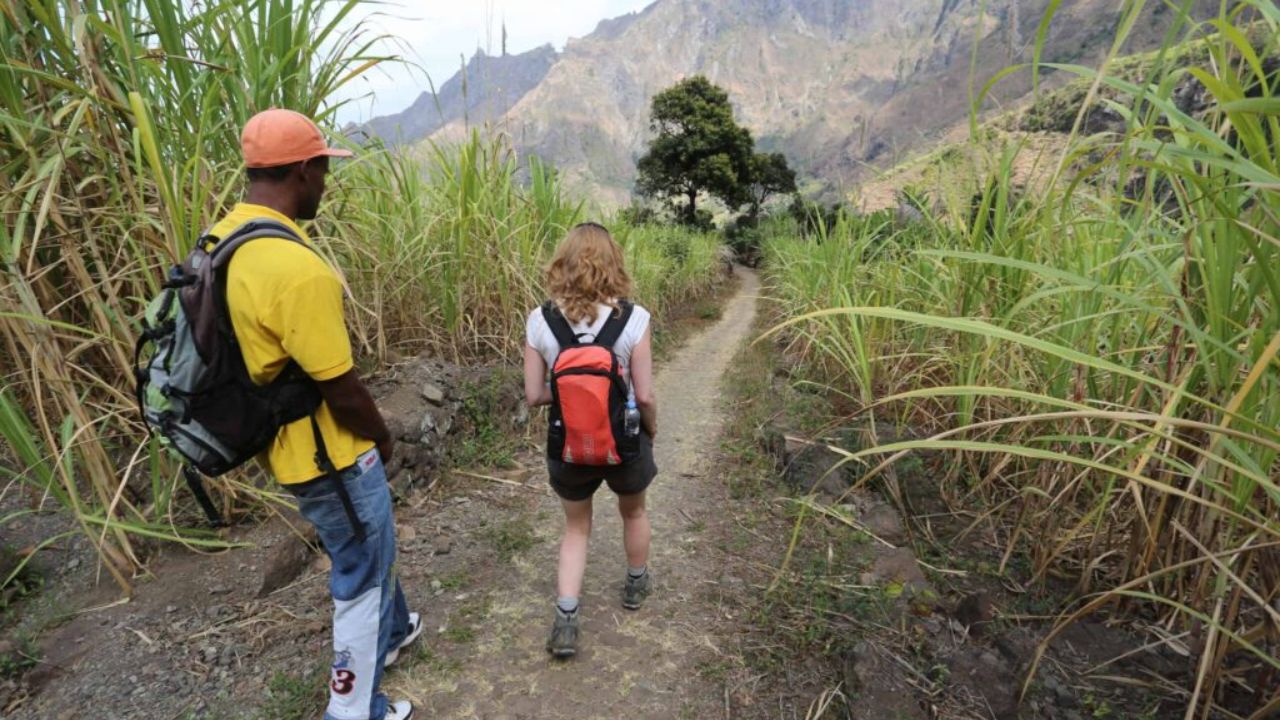
Cape Verde is one of the most rewarding destinations for hikers and outdoor enthusiasts looking for dramatic landscapes, volcanic terrain, coastal cliffs, and year-round sunshine. Understanding the weather patterns of Cape Verde is essential for planning safe and enjoyable hiking, trekking, and outdoor adventures across the islands.
This guide explains how Cape Verde’s climate affects hiking conditions, which months are best for outdoor activities, and what travelers should realistically expect on the trails.
Table of Contents
Overview of Cape Verde’s Climate
Cape Verde has a dry, subtropical climate influenced by the Atlantic Ocean and Saharan trade winds. Temperatures remain fairly stable throughout the year, typically ranging between 22°C and 30°C. Unlike many tropical destinations, Cape Verde experiences very low rainfall, which makes outdoor activities possible in most seasons.
The islands are generally divided into flatter, drier islands such as Sal and Boa Vista, and more mountainous islands like Santo Antão, Santiago, and Fogo, where hiking conditions are strongly shaped by elevation and terrain.
Best Months for Hiking in Cape Verde
The most comfortable period for hiking and outdoor exploration is from November to April. During these months, daytime temperatures are mild, humidity is low, and rainfall is minimal. Trails remain dry and accessible, making this season ideal for long hikes, mountain trekking, and village-to-village walks.
December through February is particularly popular with international travelers because cooler temperatures reduce fatigue during uphill climbs. Visibility is also excellent, allowing hikers to enjoy panoramic views of valleys, coastlines, and volcanic formations.
Hiking During the Windy Season
From December to March, Cape Verde experiences stronger trade winds, especially on exposed ridges and coastal paths. While these winds are a challenge for beachgoers, they are usually manageable for hikers and can even make daytime temperatures feel more comfortable.
On mountainous islands, wind conditions vary by location. Sheltered valleys such as Ribeira Grande in Santo Antão often remain calm, while higher elevations can be windy. Light windproof clothing is recommended, especially for early-morning or high-altitude hikes.
Rainy Season and Trail Conditions
Cape Verde’s rainy season typically occurs between August and October, though rainfall is irregular and often short-lived. Some years see very little rain, while others experience brief but intense downpours.
For hikers, rain can dramatically change trail conditions on mountainous islands. Paths may become muddy or slippery, and dry riverbeds can temporarily flood. That said, this period also transforms the landscape, especially on Santo Antão and Santiago, where vegetation becomes lush and green, creating some of the most scenic hiking conditions of the year.
Experienced hikers who monitor forecasts closely may still enjoy outdoor activities during this season, but flexibility and caution are essential.
Temperature and Elevation Effects
Elevation plays a major role in hiking comfort across Cape Verde. Coastal areas tend to be warmer, while mountain regions can be significantly cooler, especially in the early morning and evening.
On Fogo, where hikes often involve volcanic terrain and steep ascents, temperatures can drop noticeably at higher altitudes. Layered clothing is important to adjust to changing conditions throughout the day.
Heat exposure is generally manageable year-round, but hikers should avoid long midday treks during summer months and plan routes with shaded sections whenever possible.
Safety Tips for Outdoor Activities
Weather awareness is critical when hiking in Cape Verde. Even in dry conditions, dehydration is a risk due to sun exposure and low humidity. Carry sufficient water, sun protection, and snacks on all hikes.
Trail markings vary by island, and some routes are remote with limited mobile coverage. Local guides are highly recommended for challenging routes, especially in mountainous regions or less-visited areas.
Footwear with good grip is essential, as rocky terrain and uneven paths are common across the islands.
Choosing the Right Island for Hiking
Santo Antão is widely considered the best island for hiking, thanks to its deep valleys, mountain passes, and well-established trail network. Santiago offers a mix of cultural routes and rugged landscapes, while Fogo provides a unique volcanic hiking experience unlike anywhere else in the region.
Flatter islands such as Sal and Boa Vista are better suited for coastal walks rather than intensive hiking.
Conclusion
Cape Verde’s stable climate makes it a year-round destination for hiking and outdoor activities, with the best conditions found between November and April. By understanding seasonal winds, rainfall patterns, and elevation effects, travelers can plan safe, enjoyable hikes that showcase the islands’ diverse landscapes. With proper preparation and respect for local conditions, Cape Verde offers some of the most memorable outdoor experiences in the Atlantic.

Joao Fernandes is a climatologist and historian specializing in Cape Verde’s weather patterns and island history, with fifteen years at the national meteorological institute and university research. Based in Praia, Cape Verde, his professional background blends climate analysis, historical archival research, and public policy advising. His expertise covers seasonal wind and rainfall forecasts, climate resilience for coastal communities, and archival studies of colonial-era records. Joao co-authored the book “Climate and Culture of Cape Verde,” published peer-reviewed papers, and advised municipal planners on weather-informed heritage conservation.