

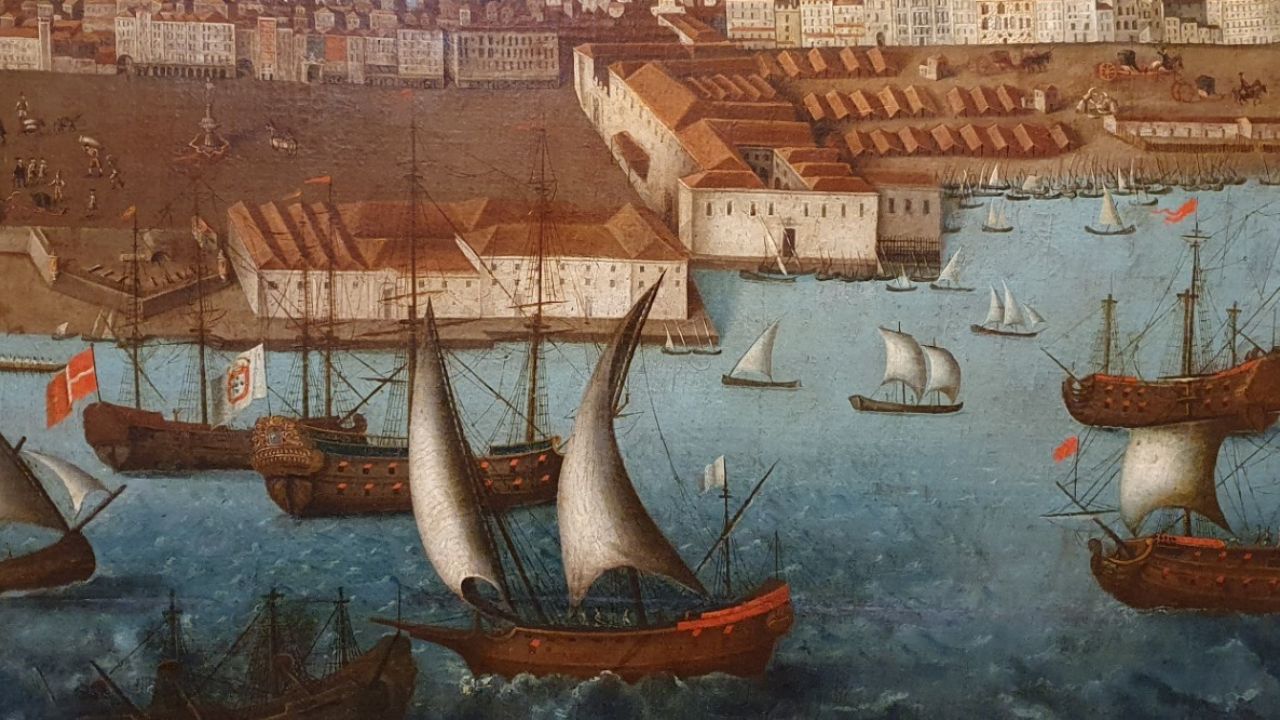
The islands of Cape Verde occupy a pivotal position in the Atlantic Ocean, off the coast of West Africa. This location placed the archipelago at the heart of early transatlantic navigation from the 15th century onward. As European maritime powers expanded trade routes between Africa, Europe, and the Americas, Cape Verde became a crucial stopping point—one that would deeply entangle the islands with the Atlantic slave trade.
Early Portuguese Settlement and Maritime Expansion
Cape Verde was uninhabited when Portuguese explorers arrived in the mid-1400s. The islands quickly transformed into a logistical base for Portugal’s growing Atlantic ambitions. Ships sailing to the West African coast, Brazil, and the Caribbean used the islands to resupply, repair vessels, and organize cargo. This strategic function laid the groundwork for Cape Verde’s involvement in human trafficking across the Atlantic.
Table of Contents
The Rise of Slave Trading Centers
By the late 15th and early 16th centuries, Cape Verde had become one of the earliest European-administered hubs for enslaved Africans. Enslaved people were captured or purchased along the West African coast and transported to the islands before being shipped onward to plantations in the Americas. Ports on Santiago Island, particularly Ribeira Grande, emerged as major redistribution points where enslaved men, women, and children were held, sold, and re-exported.
A Hub in the Triangular Trade System
Cape Verde functioned as a key node in the triangular trade system linking Europe, Africa, and the Americas. European goods were exchanged for enslaved Africans, who were then transported across the Atlantic, while colonial commodities such as sugar, tobacco, and cotton flowed back to Europe. The islands’ location made them an efficient waypoint, reducing voyage risks and strengthening their role in the slave economy.
Cultural and Demographic Transformation
The slave trade profoundly reshaped Cape Verde’s population and culture. Over time, African and European peoples, languages, and traditions blended, giving rise to a Creole society unique to the islands. Cape Verdean Creole languages, music, cuisine, and social structures all reflect this history of forced migration and cultural mixing. Unlike plantation-heavy colonies, Cape Verde became a society defined more by transit, trade, and creolization than by large-scale agricultural exploitation.
Resistance, Survival, and Daily Life
Enslaved people in Cape Verde resisted oppression in many ways—through maintaining cultural practices, forming families, preserving oral traditions, and, at times, escaping or rebelling. Harsh climatic conditions, frequent droughts, and limited resources made life difficult not only for the enslaved but for the entire population. These pressures shaped a culture of resilience and adaptability that continues to define Cape Verdean identity.
Decline of the Slave Trade and Shifting Roles
By the 19th century, international pressure and changing economic systems led to the gradual decline of the transatlantic slave trade. Cape Verde’s importance as a slave transit hub diminished, and the islands shifted toward other roles, including maritime services, coaling stations, and later emigration-based economies. Nevertheless, the demographic and cultural legacy of slavery remained deeply embedded.
Legacy and Modern Understanding
Today, Cape Verde’s connection to the Atlantic slave routes is recognized as a foundational part of its history. Historic sites, academic research, and cultural memory all reflect the islands’ role in one of the world’s most consequential and tragic systems of forced migration. Understanding this past is essential for appreciating Cape Verde’s complex identity and its global diaspora, particularly in the Americas.
Conclusion
Cape Verde’s involvement in the Atlantic slave routes was shaped by geography, empire, and maritime power. While the islands were never merely passive stops, their role as a transit hub left lasting marks on population, culture, and history. By examining this connection openly and accurately, we gain a deeper understanding of Cape Verde not only as a travel destination, but as a society forged at the crossroads of the Atlantic world.

Marta Silva is a travel writer and certified island guide with over twelve years leading small-group tours across Cape Verde. Based in Praia, Cape Verde, her professional background combines on-the-ground guiding, itinerary planning, and hospitality consulting. Her expertise includes island itineraries, public transport logistics, sustainable travel tips, and local culture immersion. Marta authored the practical guidebook “Discovering Santiago” and contributes island guides for regional tourism publications; she has partnered with Cape Verde’s tourism board on community-based tourism initiatives and regular travel-workshops for visiting journalists.