

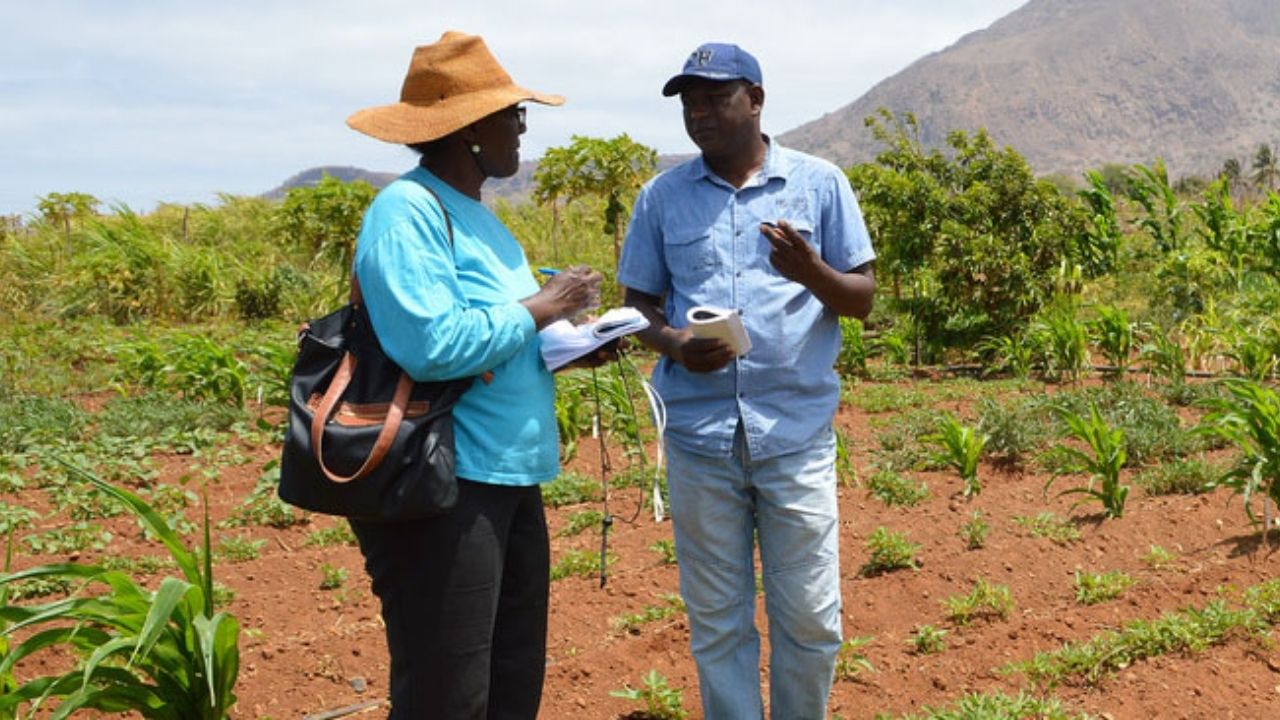
Climate change is no longer a distant or abstract issue for Cape Verde. As a small island nation in the Atlantic Ocean with limited natural resources, Cape Verde is already experiencing visible environmental, economic, and social impacts linked to rising global temperatures. From prolonged droughts to changing ocean conditions, climate change is reshaping daily life across the archipelago and influencing how people live, work, and travel.
Rising Temperatures and Increasing Heat Stress
Average temperatures in Cape Verde have been steadily increasing over recent decades. Hotter conditions are becoming more frequent, especially during the dry season, placing stress on both people and ecosystems. Higher temperatures affect agriculture, reduce soil moisture, and increase evaporation rates, making it harder to retain water in already arid landscapes.
Table of Contents
Heat stress is also a growing concern for urban areas and outdoor workers, particularly in cities like Praia and Mindelo. As heatwaves become more common, public health systems face greater pressure to protect vulnerable populations, including the elderly and those working in construction, farming, and fishing.
Longer and More Severe Droughts
Drought has always been part of Cape Verde’s climate history, but climate change is intensifying both the frequency and duration of dry periods. Rainfall has become more unpredictable, with shorter rainy seasons and longer dry spells. This directly threatens food production, especially on islands that rely on small-scale farming.
Reduced rainfall affects staple crops such as maize and beans, increases dependence on food imports, and raises prices for local households. Water scarcity also places pressure on groundwater supplies and desalination systems, which are costly to operate and energy-intensive.
Sea Level Rise and Coastal Erosion
As global sea levels rise, Cape Verde’s long coastlines face increasing erosion. Beaches on islands such as Sal and Boa Vista are gradually narrowing, threatening tourism infrastructure, coastal roads, and local communities. Even small increases in sea level can lead to flooding during storms and high tides.
Coastal erosion also impacts natural habitats, including turtle nesting beaches and marine ecosystems. Protecting these areas is becoming more challenging as erosion accelerates and sand loss becomes harder to reverse.
Changing Ocean Conditions and Fisheries Impact
The ocean plays a central role in Cape Verde’s economy and culture, but climate change is altering marine conditions. Rising sea temperatures affect fish migration patterns, coral health, and plankton distribution. As fish stocks move or decline, local fishing communities face uncertainty and reduced catches.
Warmer waters and ocean acidification also threaten marine biodiversity. For a country where fishing provides livelihoods and food security, these changes have long-term economic consequences that extend beyond coastal communities.
Increased Vulnerability to Extreme Weather
While Cape Verde is not frequently hit by hurricanes, climate change is increasing the risk of extreme weather events. More intense storms, heavier rainfall in short periods, and stronger winds can cause flooding, landslides, and infrastructure damage, particularly on mountainous islands like Santo Antão and Santiago.
These extreme events disrupt transport, damage homes, and place additional strain on emergency services. For island nations with limited land and resources, recovery from such events can be slow and costly.
Impacts on Tourism and Travel
Tourism is one of Cape Verde’s most important economic sectors, and climate change poses both direct and indirect challenges. Hotter temperatures, beach erosion, and water shortages can affect visitor experience and resort operations. At the same time, unpredictable weather patterns complicate travel planning and seasonal tourism cycles.
However, climate awareness is also encouraging more sustainable tourism practices. Eco-friendly accommodations, water-saving technologies, and conservation-focused travel experiences are becoming increasingly important for the future of the tourism industry.
Adaptation Efforts and Sustainability Initiatives
Cape Verde has taken steps to adapt to climate change through renewable energy investment, water management improvements, and environmental protection policies. Solar and wind power are expanding across the islands, reducing dependence on imported fossil fuels and lowering emissions.
Reforestation projects, improved irrigation systems, and coastal protection measures aim to strengthen resilience against drought and erosion. While these efforts cannot eliminate climate risks, they play a critical role in reducing long-term vulnerability.
Looking Ahead
Climate change is reshaping Cape Verde’s environment in complex and interconnected ways. Rising temperatures, water scarcity, ocean changes, and coastal erosion are no longer future threats—they are present realities. How effectively the country adapts will influence not only environmental sustainability but also economic stability, food security, and quality of life.
Understanding these changes is essential for residents, policymakers, travelers, and the Cape Verdean diaspora alike. As climate impacts grow, informed decision-making and responsible global action will be key to protecting the islands for future generations.

Marta Silva is a travel writer and certified island guide with over twelve years leading small-group tours across Cape Verde. Based in Praia, Cape Verde, her professional background combines on-the-ground guiding, itinerary planning, and hospitality consulting. Her expertise includes island itineraries, public transport logistics, sustainable travel tips, and local culture immersion. Marta authored the practical guidebook “Discovering Santiago” and contributes island guides for regional tourism publications; she has partnered with Cape Verde’s tourism board on community-based tourism initiatives and regular travel-workshops for visiting journalists.