

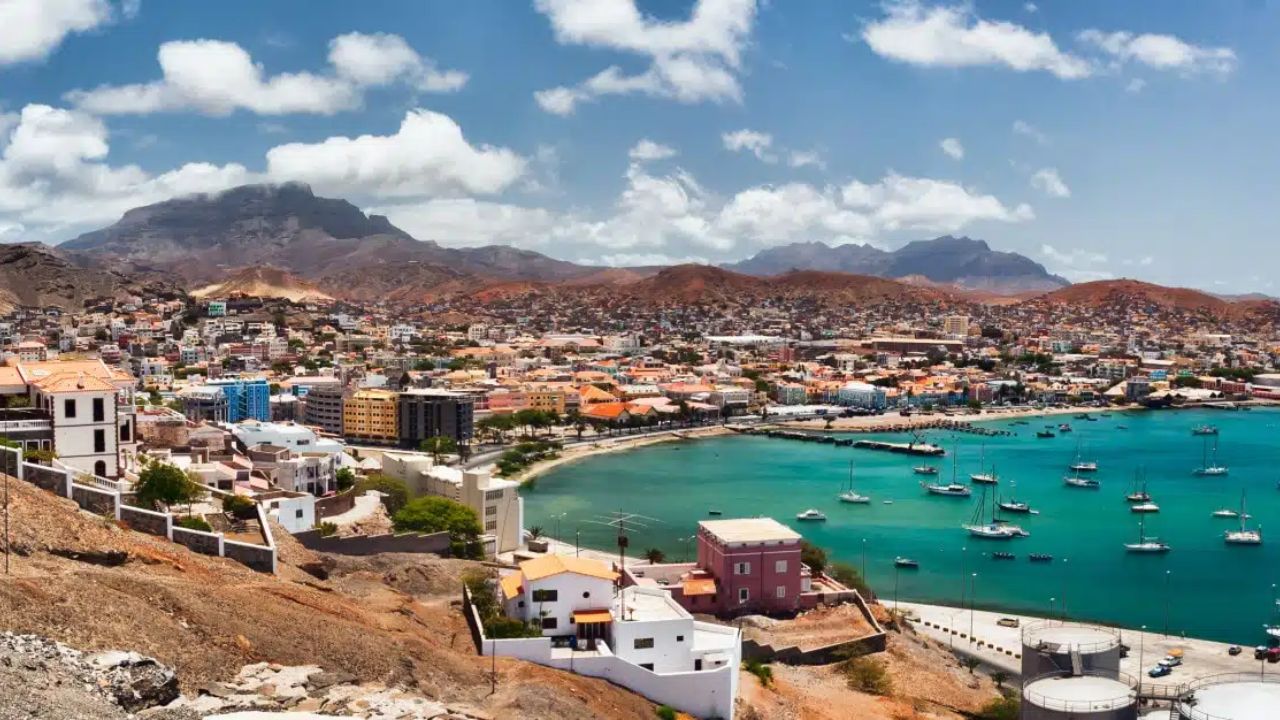
Cape Verde is often associated with well-known islands like Sal and Santiago, but some of its smallest islands offer the most distinctive and meaningful experiences. These lesser-visited places are shaped by isolation, strong local identity, and landscapes that feel untouched by mass tourism. For travelers interested in nature, culture, and quiet exploration, Cape Verde’s smaller islands reveal a different side of the archipelago.
Below is a closer look at the smallest inhabited and uninhabited islands and what makes each of them special.
Table of Contents
Santa Luzia: Cape Verde’s Only Uninhabited Island
Santa Luzia is the smallest island in Cape Verde and the only one without permanent residents. Located between São Vicente and São Nicolau, it remains completely undeveloped, giving it a raw and untouched character.
What makes Santa Luzia special is its protected natural environment. The island is part of a nature reserve, known for rare seabirds, nesting turtles, and dramatic volcanic terrain. There are no hotels, roads, or towns—only rugged hills, sandy beaches, and strong Atlantic winds.
Access is limited to authorized boat trips, usually organized from São Vicente. Visitors come for guided hikes, birdwatching, or scientific research. Santa Luzia represents Cape Verde’s commitment to conservation and shows what the islands looked like before human settlement.
Brava: The Island of Flowers
Brava is the smallest inhabited island in Cape Verde and one of its most visually striking. Often called the “island of flowers,” Brava stands out for its green valleys, cliffs, and cooler climate, which contrast sharply with the drier islands.
The island has no airport, making it accessible only by ferry from Fogo. This isolation has preserved Brava’s quiet charm. Its main town, Nova Sintra, is known for colonial-era houses, cobblestone streets, and a strong sense of community.
Brava’s appeal lies in its slow pace of life. Hiking trails connect villages, offering views of the Atlantic and neighboring islands. The island also has deep historical ties to emigration, especially to the United States, which remains part of local identity today.
Maio: Wide Beaches and Calm Living
Maio is one of Cape Verde’s least crowded islands, located east of Santiago. It is small, flat, and known for long, empty beaches that stretch for miles without resorts or heavy development.
What makes Maio special is its balance between accessibility and tranquility. The island has an airport and regular ferry connections, yet tourism remains low-key. Life here moves slowly, centered around fishing, salt production, and small-scale agriculture.
Maio is ideal for travelers seeking quiet beach time, birdwatching, and simple local experiences. It also plays an important role in sea turtle conservation, with protected nesting areas along its coastline.
São Nicolau: Mountains, Tradition, and Community
São Nicolau is small in population but rich in tradition. Located between Sal and São Vicente, it is one of the most mountainous islands, with deep valleys and dramatic peaks.
The island is known for its strong cultural identity. Music, poetry, and education have long played important roles here. Ribeira Brava, the main town, has historic schools and churches that reflect São Nicolau’s influence on Cape Verdean intellectual life.
Hiking is a major attraction, with trails passing through agricultural villages and remote landscapes. São Nicolau feels deeply local, offering visitors an authentic connection to everyday island life rather than tourist-focused experiences.
Why Cape Verde’s Smallest Islands Matter
Cape Verde’s smallest islands show how geography shapes culture, economy, and lifestyle. Their limited size has encouraged tight-knit communities, preserved traditions, and careful use of natural resources.
For travelers, these islands offer something increasingly rare: space, silence, and authenticity. They are not designed for fast tourism but reward patience and curiosity. Visiting them supports local economies while respecting the rhythm of island life.
Together, Santa Luzia, Brava, Maio, and São Nicolau highlight the diversity of Cape Verde beyond its most famous destinations. They remind visitors that sometimes the smallest places leave the strongest impressions.

Marta Silva is a travel writer and certified island guide with over twelve years leading small-group tours across Cape Verde. Based in Praia, Cape Verde, her professional background combines on-the-ground guiding, itinerary planning, and hospitality consulting. Her expertise includes island itineraries, public transport logistics, sustainable travel tips, and local culture immersion. Marta authored the practical guidebook “Discovering Santiago” and contributes island guides for regional tourism publications; she has partnered with Cape Verde’s tourism board on community-based tourism initiatives and regular travel-workshops for visiting journalists.