

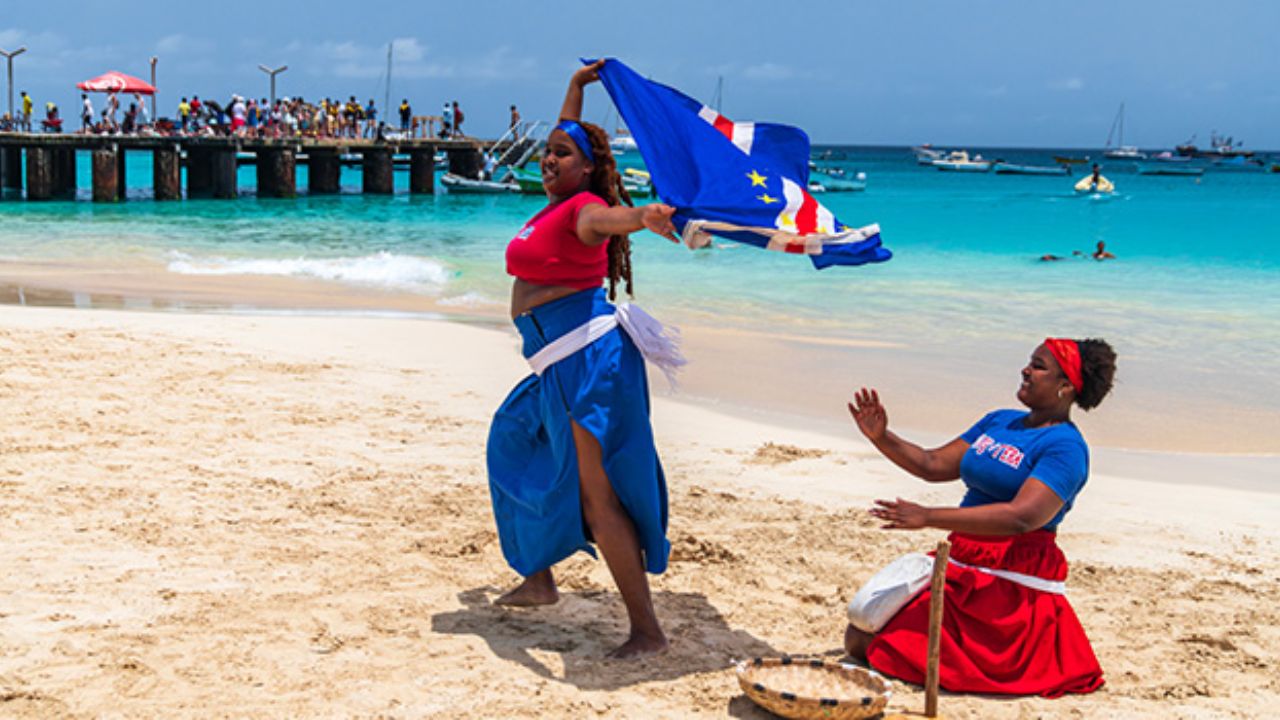
Understanding cultural etiquette in Cape Verde can greatly enhance your travel experience. While the islands are known for their relaxed atmosphere, music, and warm hospitality, daily life is shaped by strong social values, respect for elders, and a blend of African and Portuguese traditions. Tourists who make a small effort to understand local customs are often welcomed more openly and enjoy more meaningful interactions.
This guide explains the most important cultural norms visitors should know before exploring Cape Verde.
Table of Contents
Greeting and Social Interaction
Greetings are an essential part of daily life in Cape Verde. It is considered polite to greet people when entering shops, restaurants, or small hotels, even if you are not making a purchase. A simple “Bom dia” (good morning), “Boa tarde” (good afternoon), or “Boa noite” (good evening) is appreciated.
Handshakes are common, especially when meeting someone for the first time. Among friends and family, light cheek kisses may be exchanged. Rushing straight into business or requests without greeting can come across as rude, particularly in smaller towns and villages.
Respect for Elders and Community
Cape Verdean society places high value on respect for elders. Older people are often addressed more formally, and their opinions are treated seriously. Speaking loudly, interrupting, or showing impatience toward elders is generally frowned upon.
Community ties are strong, especially outside tourist areas. Visitors should be mindful that conversations, family gatherings, and religious events are important social moments. Observing quietly and respectfully is always better than inserting yourself into situations without invitation.
Dress Code and Appearance
Dress standards in Cape Verde are generally relaxed, especially in beach destinations such as Sal and Boa Vista. However, modesty is still important in everyday settings. Swimwear is acceptable at the beach or pool but should not be worn in towns, markets, or restaurants.
When visiting churches, government buildings, or rural areas, tourists should avoid very short clothing or revealing outfits. Dressing neatly shows respect and helps visitors blend in more comfortably with local life.
Religion and Cultural Sensitivity
Christianity, particularly Roman Catholicism, plays a significant role in Cape Verdean culture. Churches are central to many communities, and religious festivals are widely observed. Tourists are welcome to attend services or celebrations, but respectful behavior is expected.
Photography inside churches should only be done with permission. Loud conversations, phone use, or disruptive behavior during religious events are considered disrespectful.
Dining Etiquette and Hospitality
Cape Verdeans are known for their hospitality, and guests are often treated generously. If you are invited into someone’s home, it is polite to accept refreshments if offered, even if only a small amount.
Meals are generally relaxed affairs, and conversation is an important part of dining. It is customary to wait until everyone is served before eating. Complimenting the food is appreciated, especially since many traditional dishes involve long preparation and local ingredients.
Language and Communication Style
Portuguese is the official language, while Cape Verdean Creole is spoken daily across the islands. English is spoken in tourist areas, but learning a few basic Portuguese or Creole phrases goes a long way in building goodwill.
Communication tends to be polite and indirect. Open confrontation or aggressive criticism is usually avoided. If there is a misunderstanding, calm and respectful discussion is more effective than raising your voice or expressing frustration.
Tipping and Money Matters
Tipping is not mandatory in Cape Verde but is appreciated for good service. In restaurants, small tips are common if service is attentive. Hotel staff, guides, and drivers also appreciate modest gratuities.
Handling money discreetly is advised. Flashing large amounts of cash or discussing finances openly can make locals uncomfortable and may attract unwanted attention.
Photography and Personal Space
Always ask permission before photographing people, especially in rural areas or when taking close-up portraits. While many locals are happy to be photographed, assuming consent can be seen as disrespectful.
Personal space norms are relatively relaxed, but tourists should still be mindful of body language and avoid overly familiar gestures with people they have just met.
Conclusion
Respecting cultural etiquette in Cape Verde does not require perfection, only awareness and genuine consideration. Simple actions like greeting people, dressing appropriately, and showing patience can significantly improve your experience. By observing local customs and approaching interactions with humility, tourists not only avoid misunderstandings but also gain a deeper appreciation of Cape Verde’s rich social and cultural life.

Marta Silva is a travel writer and certified island guide with over twelve years leading small-group tours across Cape Verde. Based in Praia, Cape Verde, her professional background combines on-the-ground guiding, itinerary planning, and hospitality consulting. Her expertise includes island itineraries, public transport logistics, sustainable travel tips, and local culture immersion. Marta authored the practical guidebook “Discovering Santiago” and contributes island guides for regional tourism publications; she has partnered with Cape Verde’s tourism board on community-based tourism initiatives and regular travel-workshops for visiting journalists.