

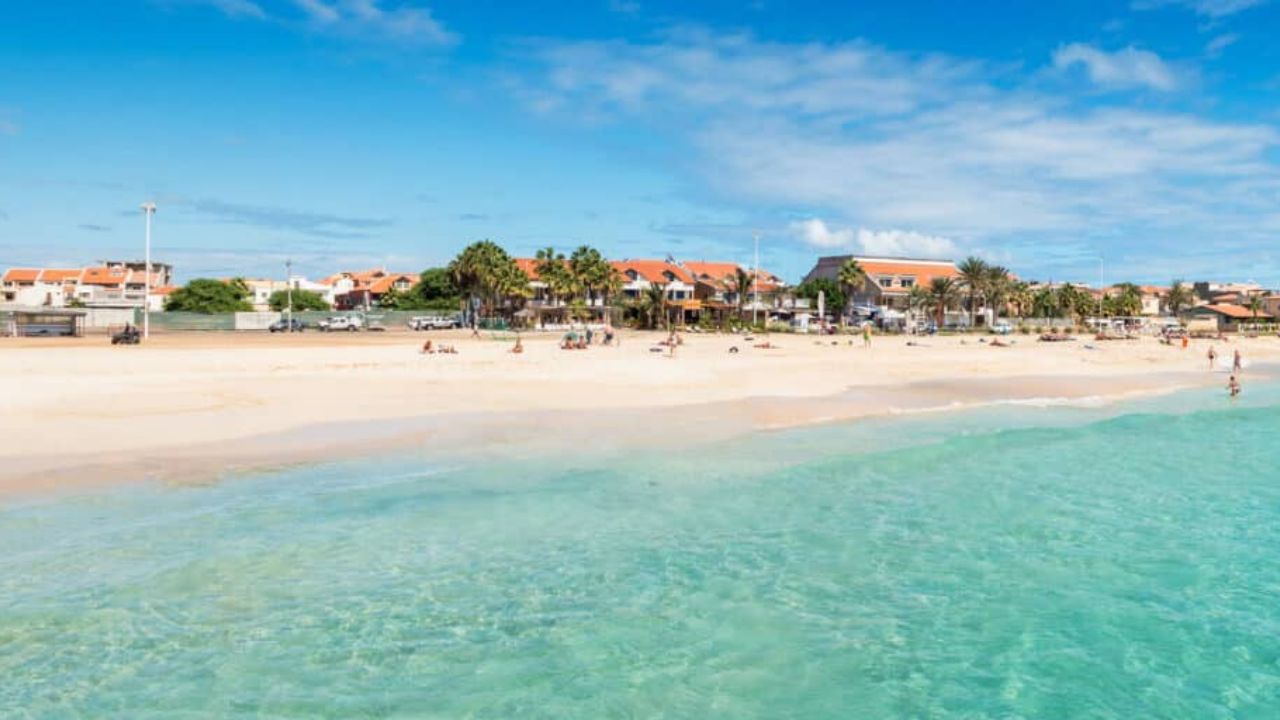
Cape Verde is often associated with beach resorts, sunny coastlines, and well-known islands like Sal and Boa Vista. While these destinations attract the majority of visitors, they represent only a small part of the archipelago’s real character. Beyond the airports and resort zones lie quiet villages where daily life follows rhythms shaped by geography, tradition, and community. These places rarely appear in brochures, yet they offer some of the most meaningful experiences in Cape Verde.
Exploring these hidden villages requires time, patience, and respect, but the reward is a deeper understanding of the islands and their people.
Table of Contents
Cha de Igreja, Santo Antão
Tucked into the rugged northwest of Santo Antão, Cha de Igreja is a village surrounded by dramatic cliffs, terraced fields, and the Atlantic Ocean. Unlike the busier hiking hubs nearby, this settlement remains largely untouched by tourism. Farmers still cultivate sugarcane, beans, and maize using techniques passed down for generations.
Life here moves slowly. Mornings begin with fieldwork, afternoons with shared meals, and evenings with quiet conversations. Visitors who make the effort to reach Cha de Igreja gain insight into how Cape Verdeans adapted to harsh landscapes with resilience and cooperation.
Rui Vaz, Santiago Island
High in the mountains above Praia, Rui Vaz feels worlds away from the capital city. Cool air, fertile soil, and misty mornings define this agricultural village. It is known locally for vegetable farming and small-scale livestock, supplying produce to nearby towns.
Tourists rarely stop here, but Rui Vaz plays an important role in understanding Santiago’s rural economy. Walking through the village reveals stone houses, community water points, and fields shaped by hand rather than machinery. It offers a clear contrast to coastal life and shows how inland communities sustain the island.
Cutelo Alto, Fogo Island
While many visitors head straight to Fogo’s volcano, few explore villages like Cutelo Alto, located on the island’s slopes. Built from dark volcanic stone, the village blends into its surroundings. Residents grow coffee, fruit, and grapes, often on steep terrain that demands physical endurance.
Cutelo Alto reflects the realities of living near an active volcano. Homes are built strong and simple, and people maintain a close relationship with the land. Spending time here reveals how communities balance risk, tradition, and opportunity in one of Cape Verde’s most dramatic environments.
Calhau, São Vicente
Just a short drive from Mindelo lies Calhau, a fishing and farming village that many tourists pass without stopping. Despite its proximity to the island’s cultural center, Calhau retains a strong local identity. Fishermen still launch small boats by hand, and families tend gardens nourished by volcanic soil.
Calhau offers a glimpse into everyday island life without performances or staged experiences. Visitors who pause here often notice how music, conversation, and routine tasks blend naturally into daily living.
Achada Grande Interior, Santiago
Unlike the coastal Achada Grande neighborhoods near Praia, Achada Grande Interior remains largely rural. This village reflects the challenges and strengths of inland Santiago, where water scarcity and soil conditions shape daily decisions.
Community ties are strong, and extended families often live close together. The village is rarely photographed or written about, yet it represents the reality of life for many Cape Verdeans who do not live in tourist areas.
Why These Villages Matter
Hidden villages are essential to understanding Cape Verde beyond tourism. They preserve language variations, food traditions, farming practices, and social structures that urban and resort areas cannot fully represent. Visiting them responsibly helps spread economic benefits while encouraging cultural respect.
Travelers who seek out these communities should do so thoughtfully. Learning basic Creole greetings, asking permission before photographing people, and supporting local businesses are small actions that make a meaningful difference.
Traveling Responsibly to Hidden Places
Accessing remote villages often requires local transport, walking, or guidance from residents. Roads may be unpaved, signage limited, and schedules flexible. This unpredictability is part of the experience, not a drawback.
By slowing down and observing rather than rushing, visitors can connect more genuinely with the islands. These villages are not attractions; they are living communities.
Cape Verde’s hidden villages remind us that the heart of the archipelago lies not only along its shores, but also in its hills, valleys, and quiet inland paths.

Marta Silva is a travel writer and certified island guide with over twelve years leading small-group tours across Cape Verde. Based in Praia, Cape Verde, her professional background combines on-the-ground guiding, itinerary planning, and hospitality consulting. Her expertise includes island itineraries, public transport logistics, sustainable travel tips, and local culture immersion. Marta authored the practical guidebook “Discovering Santiago” and contributes island guides for regional tourism publications; she has partnered with Cape Verde’s tourism board on community-based tourism initiatives and regular travel-workshops for visiting journalists.