

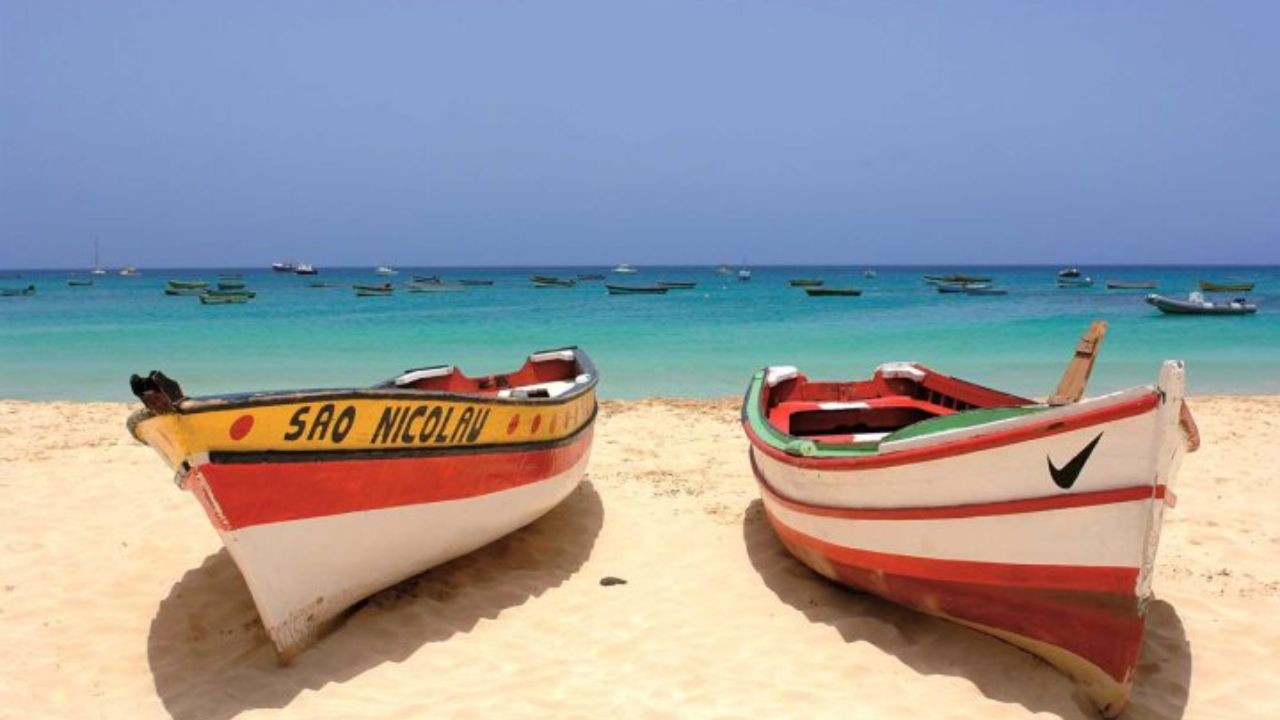
Cape Verde is a small island nation in the Atlantic Ocean with a history shaped by the sea, migration, and cultural blending. Although the islands are geographically part of Africa, their past is closely connected to Europe, the Americas, and global trade routes. Understanding Cape Verde’s history helps explain its unique culture, language, and identity today.
Cape Verde Before Human Settlement
Before people arrived, the islands of Cape Verde were completely uninhabited. Unlike many African regions, Cape Verde had no indigenous population. The volcanic islands were formed millions of years ago and remained untouched by humans until the 15th century. This fact is important because it shaped how society developed later, without pre-existing communities or political systems.
Table of Contents
Portuguese Discovery of the Islands
In the mid-1400s, Portuguese explorers sailing along the West African coast discovered Cape Verde. The islands were officially claimed by Portugal around 1460. Because the islands were empty, Portugal began settling them almost immediately. The first permanent settlement was Cidade Velha on Santiago Island, which became a key port for ships crossing the Atlantic.
Cape Verde and the Atlantic Slave Trade
Cape Verde quickly became an important center in the Atlantic slave trade. Its location made it a natural stop between Africa, Europe, and the Americas. Enslaved Africans were brought to the islands, where many were held, traded, or transported onward. Over time, African and European populations mixed, creating a creole society with blended traditions, languages, and customs.
This period had a lasting impact. The social structure, family names, food, music, and even religious practices in Cape Verde all reflect this shared African and European heritage.
Creole Culture and Language
As communities grew, a new identity formed. Cape Verdean Creole, based largely on Portuguese with strong African influences, became the language of everyday life. While Portuguese remained the official language, Creole became the heart of cultural expression. Music styles like morna and coladeira emerged, telling stories of longing, migration, and island life.
This cultural blending is one of the most defining features of Cape Verde’s history and continues to shape daily life across the islands.
Economic Hardships and Emigration
Cape Verde’s dry climate and lack of natural resources made survival difficult. Frequent droughts and famine caused hardship, especially in the 18th and 19th centuries. As a result, many Cape Verdeans emigrated in search of work and stability. Large communities formed in the United States, particularly in New England, as well as in Portugal and other countries.
Migration became a central part of Cape Verdean identity. Even today, the diaspora population is larger than the population living on the islands themselves.
The Road to Independence
In the 20th century, movements for independence spread across Africa. Cape Verde’s struggle was closely linked with that of Guinea-Bissau. Political leader Amílcar Cabral played a key role in organizing resistance against Portuguese rule. After years of activism and international pressure, Portugal granted independence to Cape Verde in 1975.
Unlike many newly independent nations, Cape Verde avoided violent conflict during this transition, setting the stage for long-term stability.
Cape Verde After Independence
Following independence, Cape Verde focused on building democratic institutions, education, and international partnerships. The country adopted a multi-party democracy in the early 1990s and has since held regular, peaceful elections. Today, Cape Verde is known for political stability, press freedom, and strong ties with its diaspora.
Tourism, services, and remittances from abroad now play a major role in the economy, while cultural pride remains deeply rooted in history.
Why Cape Verde’s History Matters Today
Cape Verde’s past explains why the country feels both African and Atlantic, local and global. Its history of migration, resilience, and cultural blending has shaped a society that values openness, music, storytelling, and community. For visitors and students alike, understanding this history adds depth to every island, city, and tradition encountered across the archipelago.
Cape Verde’s story is not just about discovery and colonization, but about how people built a shared identity from many influences and carried it across oceans and generations.

Joao Fernandes is a climatologist and historian specializing in Cape Verde’s weather patterns and island history, with fifteen years at the national meteorological institute and university research. Based in Praia, Cape Verde, his professional background blends climate analysis, historical archival research, and public policy advising. His expertise covers seasonal wind and rainfall forecasts, climate resilience for coastal communities, and archival studies of colonial-era records. Joao co-authored the book “Climate and Culture of Cape Verde,” published peer-reviewed papers, and advised municipal planners on weather-informed heritage conservation.