

Cape Verde is known for sunshine, beaches, and year-round warm temperatures, but many travelers hear about the islands’ strong winds and wonder whether the wind season is a problem. The short answer is that the wind season is neither entirely good nor bad. It depends on when you travel, which island you visit, and what kind of holiday you want.
Understanding Cape Verde’s wind season helps set realistic expectations and can actually improve your trip if you plan around it.
Table of Contents
What Is the Wind Season in Cape Verde?
Cape Verde’s wind season is mainly driven by the northeast trade winds, locally influenced by the Harmattan. These winds typically blow from November through March, with peak strength between December and February.
During this period, steady winds move across the Atlantic toward the islands. They bring dry air, low humidity, and clear skies, which is why Cape Verde remains sunny even in winter. Rainfall is minimal, and temperatures stay comfortable rather than extremely hot.
Why Does Cape Verde Get So Windy?
Cape Verde sits off the west coast of Africa, directly in the path of Atlantic trade winds. These winds are a natural part of the region’s climate and have shaped everything from sailing routes to modern water sports.
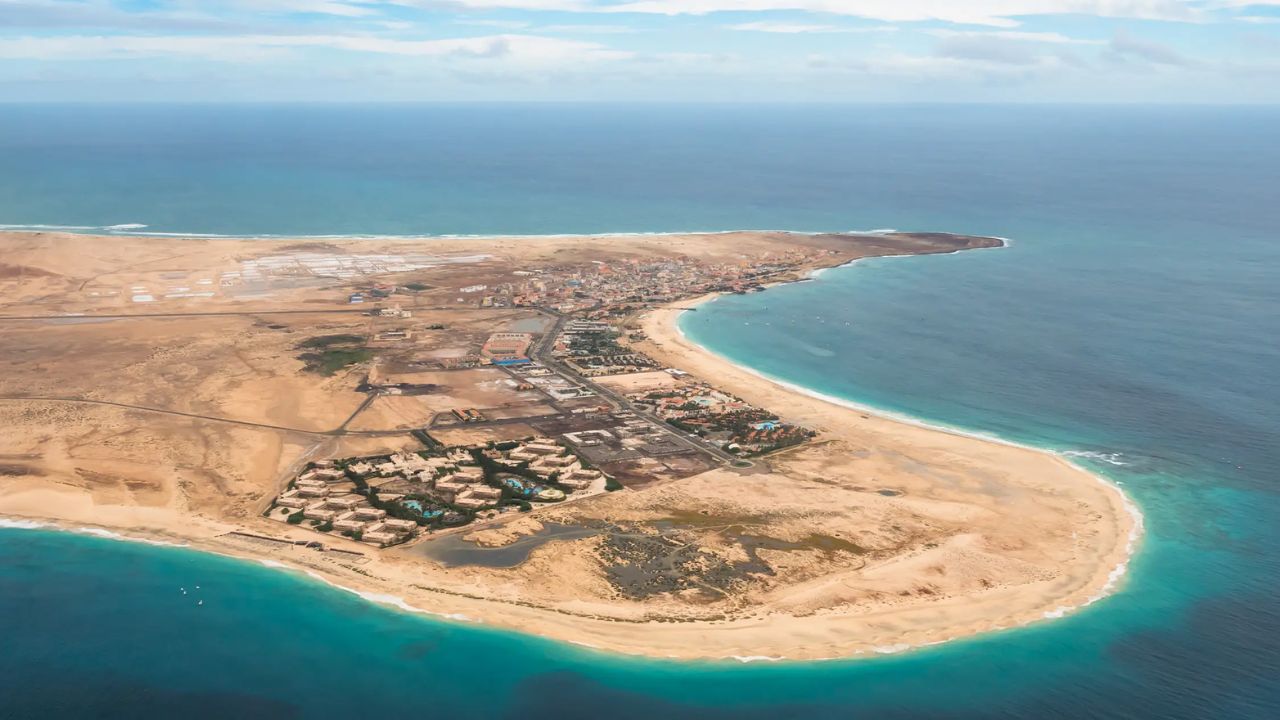
The wind is stronger on flatter, more open islands like Sal and Boa Vista, where there are few mountains to block airflow. Islands with higher terrain, such as Santo Antão and Santiago, experience more sheltered conditions in valleys and inland areas.
Is the Wind Season Bad for Beach Holidays?
For classic beach relaxation, the wind season has both pros and cons.
On the positive side, the wind keeps temperatures pleasant. Even in January or February, days are warm without feeling humid or suffocating. The breeze also reduces mosquitoes and makes walking around coastal towns more comfortable.
On the downside, strong winds can make sunbathing less relaxing, especially on exposed beaches. Sand can blow around, and entering the ocean may feel cooler due to wind chill. Swimming conditions can be rougher on the Atlantic-facing coasts during peak wind months.
Travelers who want calm seas and still air often prefer September or October, when winds are lighter.
Why the Wind Season Is Great for Water Sports
For many visitors, the wind season is actually the best time to visit Cape Verde.
The islands are considered one of the top destinations in the world for kitesurfing and windsurfing. Consistent winds, wide beaches, and reliable weather attract professionals and beginners alike. Sal and Boa Vista, in particular, become international hubs for these sports between December and March.
Even if you are not a water sports enthusiast, watching kitesurfers along the coast can be a highlight of the trip.
How Wind Affects Different Cape Verde Islands
Wind conditions are not the same across the archipelago.
Sal and Boa Vista are the windiest islands, especially along the coast. These are ideal for active travelers, surfers, and those staying in beach resorts designed to handle windy conditions.
Santiago has more varied weather. Coastal areas can be breezy, but inland towns and mountain regions are more protected, making it a better choice for cultural exploration during windy months.
Santo Antão is the most sheltered island overall. Its deep valleys and rugged mountains block much of the wind, making it comfortable for hiking and nature-focused trips even in winter.
Does the Wind Affect Flights and Ferries?
Flights to and from Cape Verde generally operate normally during the wind season. Airports are well-equipped, and delays are uncommon, though landings can occasionally feel bumpier on very windy days.
Inter-island ferries are more sensitive to wind and ocean conditions. During peak wind months, ferry schedules may change or be canceled due to rough seas. Travelers planning island hopping in winter should keep flexible schedules and consider domestic flights as an alternative.
Is the Wind Season the Worst Time to Visit?
The wind season is not the worst time to visit Cape Verde, but it is not ideal for every traveler.
If your goal is quiet beaches, calm swimming, and minimal wind, the shoulder months outside peak wind season may suit you better. However, if you enjoy outdoor activities, cooler evenings, clear skies, and fewer crowds, the wind season can be an excellent choice.
Hotel prices are often more competitive during winter compared to late summer, especially outside major holidays.
Final Verdict: Good or Bad for Tourists?
Cape Verde’s wind season is good for some tourists and challenging for others. It is perfect for active travelers, water sports lovers, hikers, and anyone who prefers mild temperatures over intense heat. It may be less appealing for travelers seeking completely still beach days and calm seas.
With the right island choice and realistic expectations, the wind season can be one of the best times to experience Cape Verde rather than a reason to avoid it.

Joao Fernandes is a climatologist and historian specializing in Cape Verde’s weather patterns and island history, with fifteen years at the national meteorological institute and university research. Based in Praia, Cape Verde, his professional background blends climate analysis, historical archival research, and public policy advising. His expertise covers seasonal wind and rainfall forecasts, climate resilience for coastal communities, and archival studies of colonial-era records. Joao co-authored the book “Climate and Culture of Cape Verde,” published peer-reviewed papers, and advised municipal planners on weather-informed heritage conservation.