

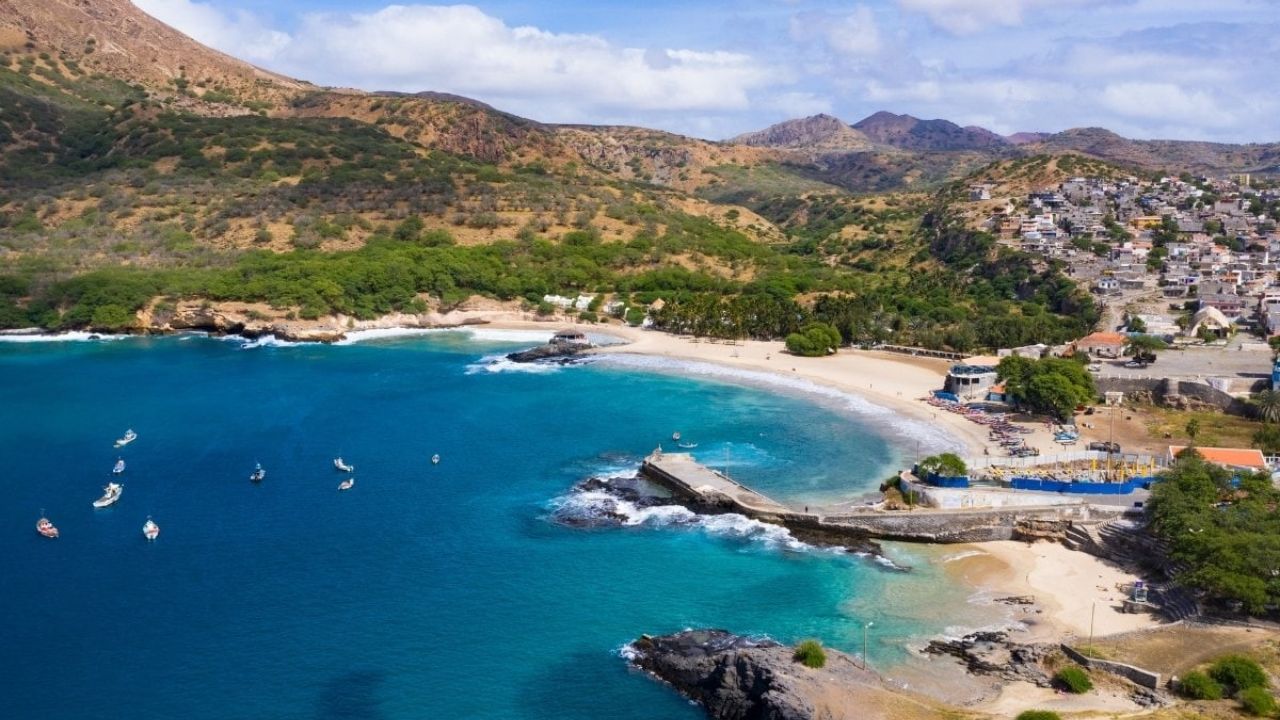
Cape Verde is often described as a year-round destination thanks to its mild temperatures, warm ocean, and consistent sunshine. While this is largely true, there are certain months that many travelers consider the worst time to visit Cape Verde, depending on what they expect from their trip.
Understanding these less-ideal periods can help you avoid disappointment—or, in some cases, help you plan a quieter, cheaper, and more authentic visit. Below is a clear breakdown of when Cape Verde is considered least favorable for travel and why some visitors still choose to go anyway.
Table of Contents
Late August to October: The Rainy Season
The most commonly cited worst time to visit Cape Verde is late August through October, which marks the country’s short rainy season. Rainfall is still light compared to many tropical destinations, but it can affect travel plans.
Showers tend to be short and intense rather than all-day rain, but they are unpredictable. In some years, rainfall is barely noticeable; in others, it can disrupt hiking, road travel, and rural exploration, especially on mountainous islands like Santiago and Santo Antão.
Humidity is also higher during this period, making the heat feel stronger than usual. For travelers expecting dry desert-style weather, this can come as a surprise.
Despite this, beaches remain warm, and storms rarely last long. Many locals consider this season essential for agriculture, as it replenishes water sources and supports crops.
September: Heat, Humidity, and Fewer Services
September is often considered the single worst month to visit Cape Verde for traditional tourism. Temperatures are at their highest, humidity peaks, and rainfall—while still limited—reaches its annual maximum.
Some hotels, tour operators, and restaurants reduce hours or temporarily close during this period, especially on less tourist-oriented islands. Ferry schedules can be less reliable, and rural roads may be affected by sudden downpours.
Travelers who prioritize hiking, cultural walking tours, or island-hopping may find September frustrating. However, those focused purely on relaxation may still find it manageable.
February: Windy and Dusty Conditions
Another period some travelers dislike is February, when strong trade winds and harmattan dust from the Sahara can affect visibility and air quality.
These winds make certain beaches less comfortable for sunbathing, especially on Sal and Boa Vista. Fine dust particles can cause hazy skies and may be uncomfortable for travelers with respiratory sensitivities.
That said, this is not the worst time for everyone. Wind sports enthusiasts actively seek out this season, and temperatures remain pleasant.
Why Some Travelers Still Visit During the “Worst” Time
Despite these drawbacks, many people still choose to visit Cape Verde during the so-called worst months—and often enjoy it.
Lower Prices and Better Deals
Flights and accommodations are generally cheapest from late August to October. Travelers on a budget can access higher-quality hotels and resorts at significantly reduced prices compared to peak winter months.
For long stays, digital nomads, or retirees, this cost difference can make a major impact.
Fewer Tourists and Quieter Islands
During off-season months, Cape Verde feels more local and less commercial. Beaches are quieter, towns are calmer, and interactions with residents feel more personal.
Visitors who dislike crowds often appreciate the slower pace, even if the weather is less predictable.
Cultural Events and Local Life
The rainy season coincides with important agricultural cycles and community events. Travelers interested in local culture rather than resort tourism may find this period rewarding.
Festivals, family gatherings, and traditional music events continue regardless of tourist seasons, offering deeper cultural exposure.
Warm Ocean and Lush Landscapes
Ironically, the months with some rain also produce greener landscapes, especially on islands like Santiago and Santo Antão. Valleys become lush, waterfalls appear briefly, and the countryside looks more vibrant than during the dry season.
The ocean remains warm year-round, and swimming is rarely affected by rainfall.
Who Should Avoid Visiting During These Months
The worst time to visit Cape Verde is most noticeable for:
- Travelers seeking guaranteed dry weather
- Hikers and outdoor explorers
- First-time visitors expecting a classic beach holiday
- Those on tight schedules with limited flexibility
If your trip depends on clear skies, fixed ferry schedules, and outdoor activities, the rainy or windy seasons may not be ideal.
Who Might Actually Enjoy It
On the other hand, these months can work well for:
- Budget travelers
- Long-stay visitors
- Cultural and heritage travelers
- Wind sports enthusiasts
- Repeat visitors comfortable with flexibility
Final Takeaway
The worst time to visit Cape Verde depends less on the calendar and more on your travel priorities. While late August through October and windy February conditions are often considered less ideal, they still offer warm temperatures, cultural richness, and meaningful cost savings.
For travelers who value quiet beaches, lower prices, and authentic local experiences over perfect weather, the so-called worst time may actually be the right time.

Joao Fernandes is a climatologist and historian specializing in Cape Verde’s weather patterns and island history, with fifteen years at the national meteorological institute and university research. Based in Praia, Cape Verde, his professional background blends climate analysis, historical archival research, and public policy advising. His expertise covers seasonal wind and rainfall forecasts, climate resilience for coastal communities, and archival studies of colonial-era records. Joao co-authored the book “Climate and Culture of Cape Verde,” published peer-reviewed papers, and advised municipal planners on weather-informed heritage conservation.